How to Grow Colorado Blue Spruce
from Seed — Complete Guide
Picea pungens Glauca is the most iconic blue-needled conifer in the world. Learn everything: cold stratification, germination, first-year care, and how to get that signature silver-blue colour.
-40%
What Is Colorado Blue Spruce — and Why Is the Colour So Special?
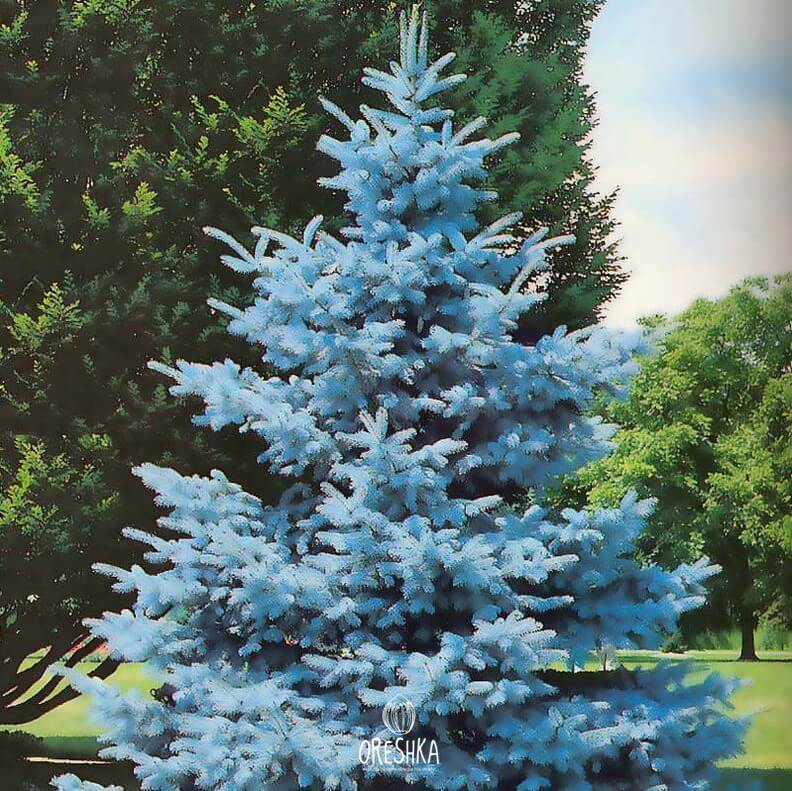
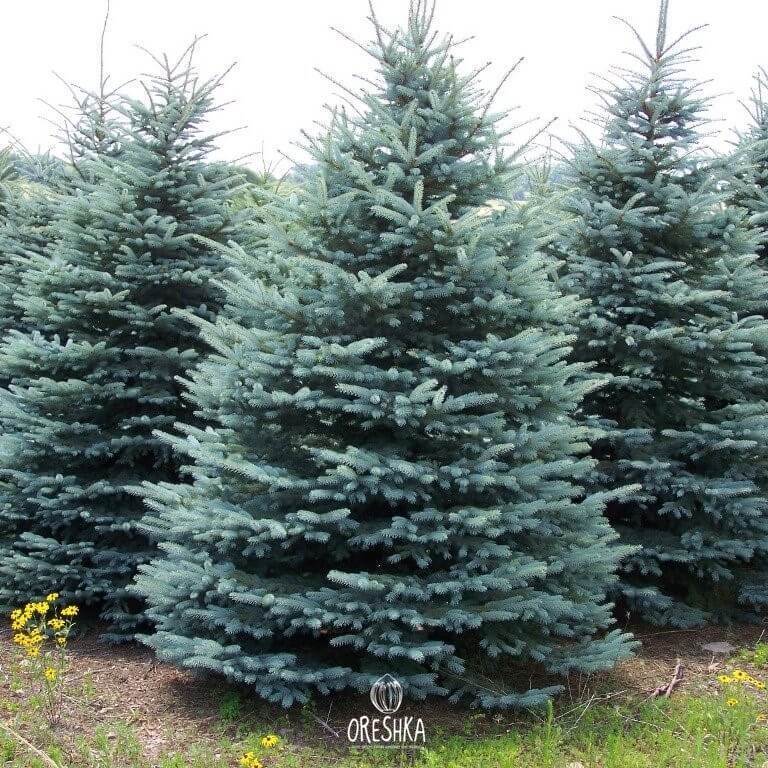
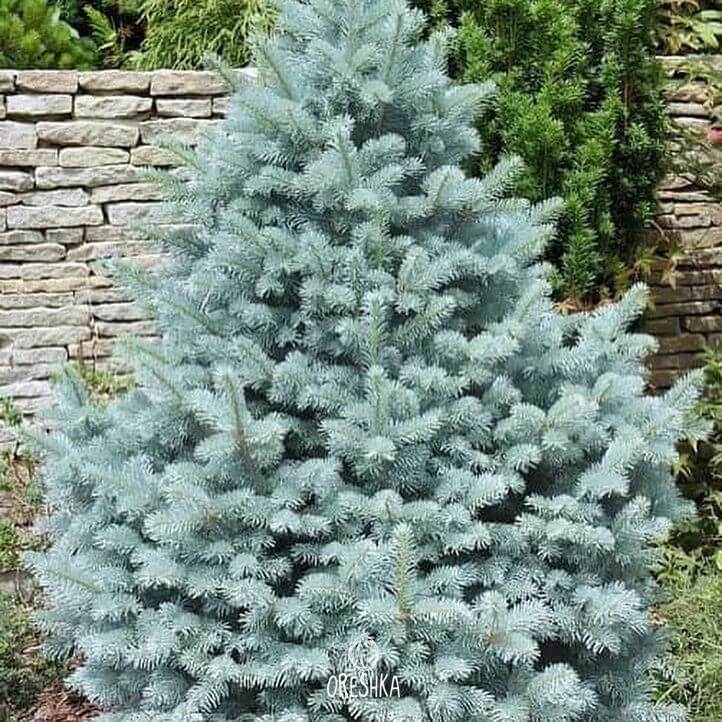
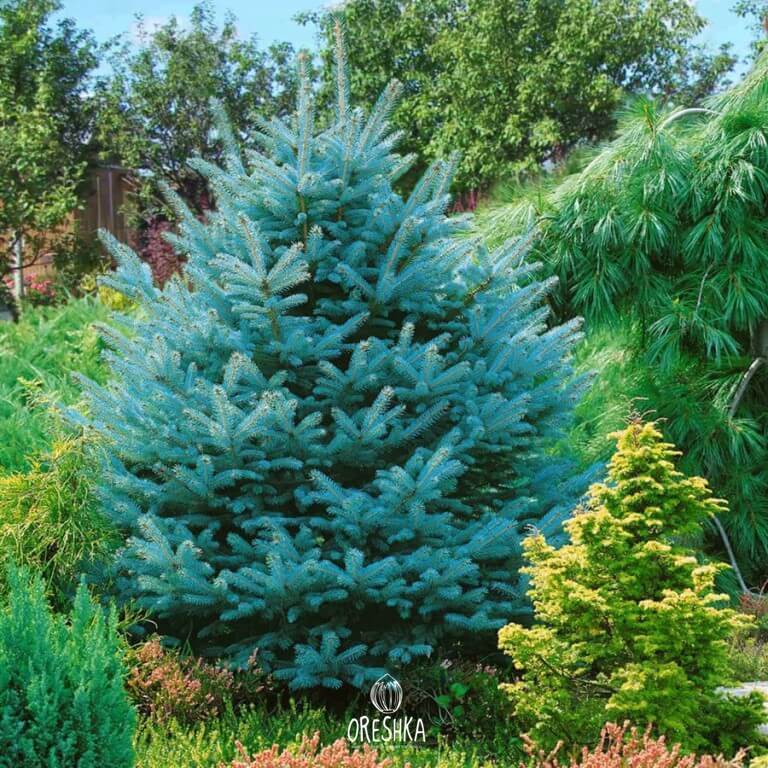
Colorado Blue Spruce (Picea pungens var. Glauca) is the most recognised conifer in the northern hemisphere — instantly identifiable by its striking silver-blue needles. Native to the Rocky Mountains of Colorado, Utah, and Wyoming, it grows naturally at elevations of 1,800–3,000 m, developing extreme cold hardiness and wind resistance along the way.
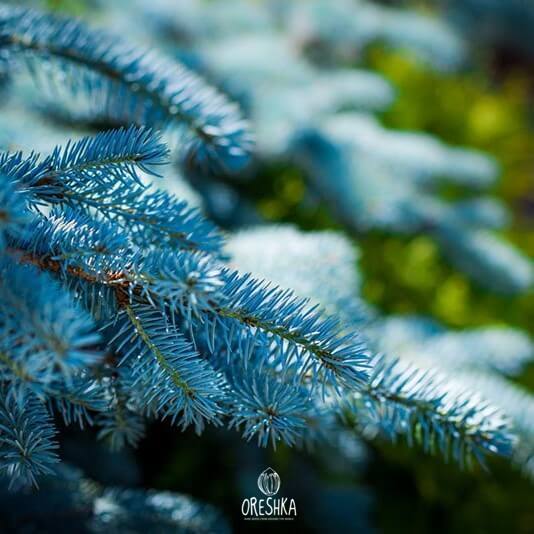
The iconic blue colour is produced by a waxy coating on each needle — a natural defence against UV radiation and moisture loss at high altitude. This wax layer is fully genetic, meaning seeds from a high-quality Glauca parent will produce blue offspring. However, colour intensity varies between individual seedlings, which is part of what makes growing from seed so rewarding for collectors.
At a Glance
How to Grow Colorado Blue Spruce from Seed — Step by Step
Blue Spruce seeds need cold stratification before they will germinate — this mimics the natural winter they would experience in the Rocky Mountains. Without this step, germination rates drop dramatically.
Cold stratification (4–6 weeks)
Mix seeds with slightly moist vermiculite or paper towel in a sealed zip-lock bag. Place in the refrigerator at 2–4°C for 4–6 weeks. Check weekly for moisture — the medium should be damp but not wet. This breaks dormancy and dramatically improves germination rates.
Prepare seed trays
Fill seed trays with a 50/50 mix of perlite and peat (or an acidic seed compost, pH 5.5–6.5). Moisten well before sowing. Blue Spruce prefers slightly acidic, well-drained soil — avoid heavy clay or standard potting compost.
Sow seeds 1 cm deep
Press stratified seeds into the surface and cover with 0.5–1 cm of fine grit or compost. Space seeds 3–4 cm apart. Mist gently. Cover the tray with a propagator lid or clear plastic to maintain humidity. Keep at 18–22°C in a bright spot — not direct sun at this stage.
Germination (2–4 weeks)
Seedlings emerge in 2–4 weeks. Once sprouts appear, remove the cover and move to bright indirect light. At this stage the tiny seedlings are delicate — water from below by placing the tray in a shallow dish of water rather than misting from above.
First-year care
Once seedlings reach 3–5 cm, pot individually into 9 cm pots with acidic compost. Place in full sun — this is when the blue wax coating begins to develop. Feed with a slow-release conifer fertiliser in spring and summer. Keep frost-free in the first winter.
Plant out (Year 2–3)
Transplant to the final outdoor position in autumn or early spring. Choose a sunny, open spot with well-drained soil. Space at least 4–5 m from buildings and other trees — Blue Spruce has a wide pyramidal crown and grows steadily for decades.
Colorado Blue Spruce vs Other Spruce Species
| Feature | Colorado Blue Spruce ★ | Norway Spruce (P. abies) | Siberian Spruce (P. obovata) |
|---|---|---|---|
| Needle colour | Silver-blue / glaucous | Dark green | Dark green |
| Cold hardiness | Zone 2–8 ❄️ | Zone 2–7 | Zone 1–6 |
| Mature height | 15–25 m | 30–60 m | Up to 30 m |
| Growth rate | Moderate (30 cm/yr) | Fast (50 cm/yr) | Slow–moderate |
| Ornamental value | Extremely high | Standard | High |
| Drought tolerance | Good once established | Moderate | Good |
Common Mistakes When Growing Blue Spruce from Seed
Skipping stratification
The most common reason for failure. Blue Spruce seeds have a built-in dormancy that only cold temperatures can break. Without 4–6 weeks of cold treatment, most seeds simply will not sprout. Even seeds that do germinate without stratification produce weaker plants.
Using alkaline or heavy soil
Blue Spruce needs acidic, well-drained conditions (pH 5.5–6.5). Standard multipurpose compost is often too alkaline and retains too much moisture. Use a specialist conifer or ericaceous compost, or mix your own with peat and perlite.
Overwatering seedlings
Young spruce seedlings are highly susceptible to damping-off fungus in wet conditions. Always water from below, ensure good air circulation, and let the top layer of compost dry slightly between waterings.
Not enough sun in Year 1
The blue wax coating only develops in strong light. Seedlings kept in shade will grow green, not blue. Move to a south-facing window or outdoors in a sunny spot as soon as the seedlings are established enough to handle direct sun (usually 6–8 weeks after germination).
Frequently Asked Questions
Buy Colorado Blue Spruce Seeds
30+ fresh Picea pungens Glauca seeds per pack. High germination rate. Shipped worldwide with growing instructions.