

How to Grow Komarov Lotus from Seed
— Complete Guide
Nelumbo komarovii is the world's coldest-hardy lotus — a living relic of the Tertiary flora, found only in Russia's Far East. This guide covers everything: germination, water depth, climate needs, and common mistakes.
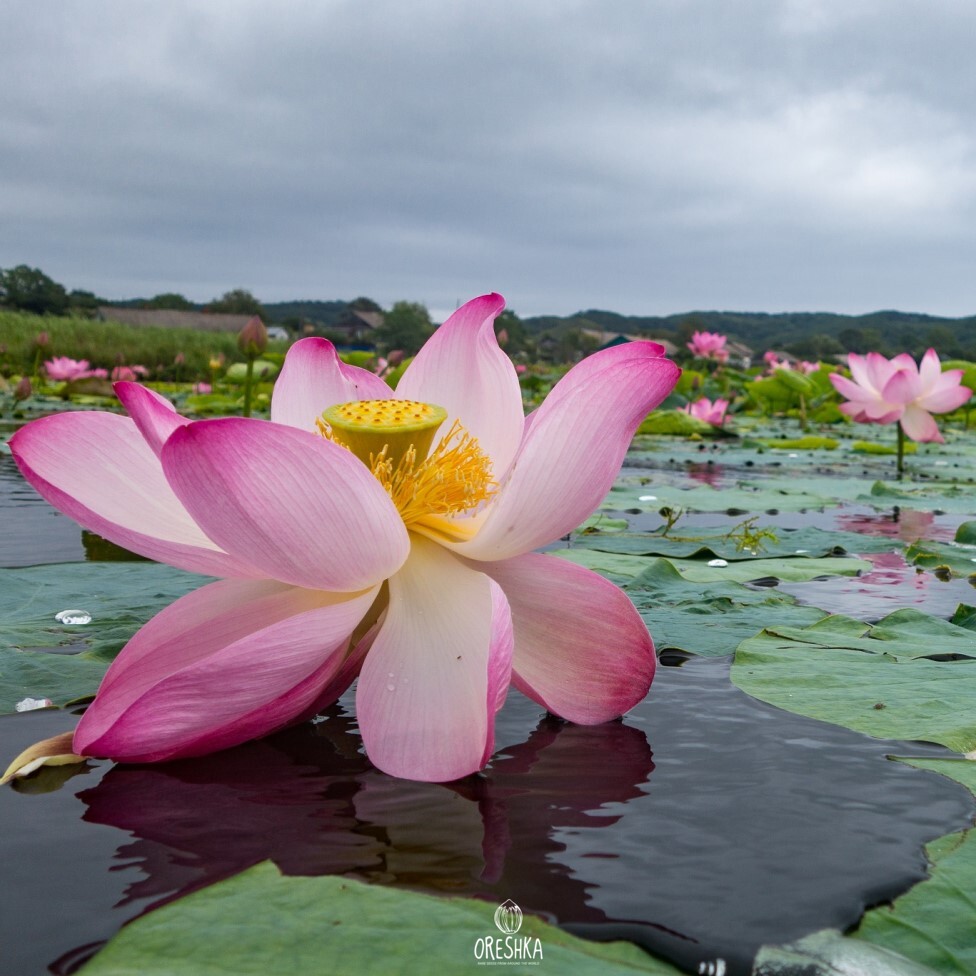
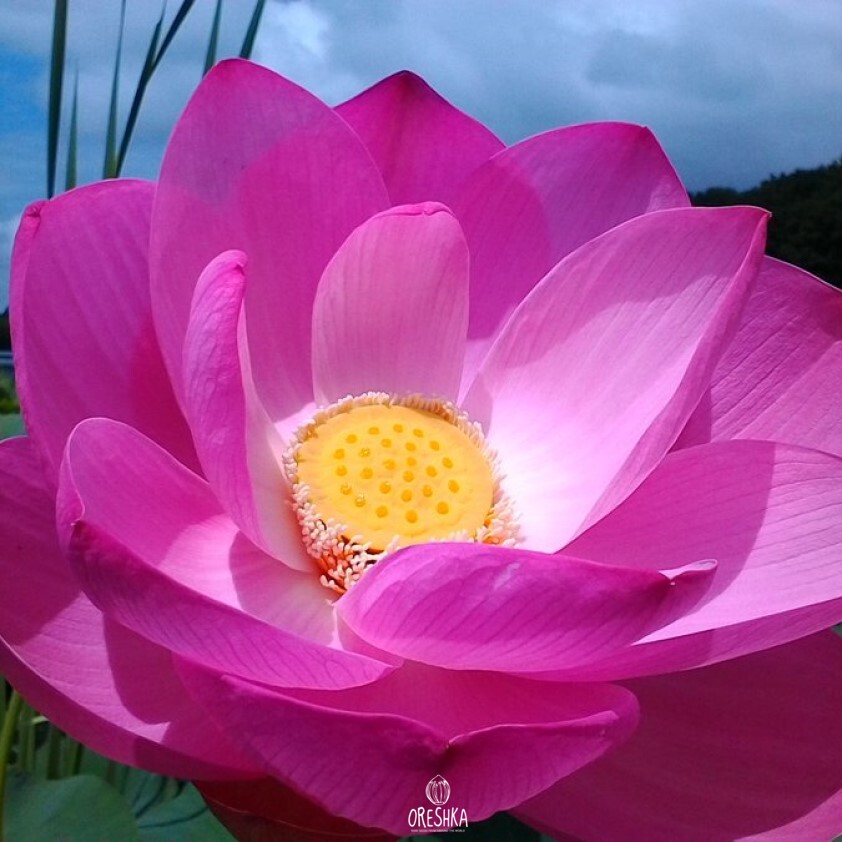
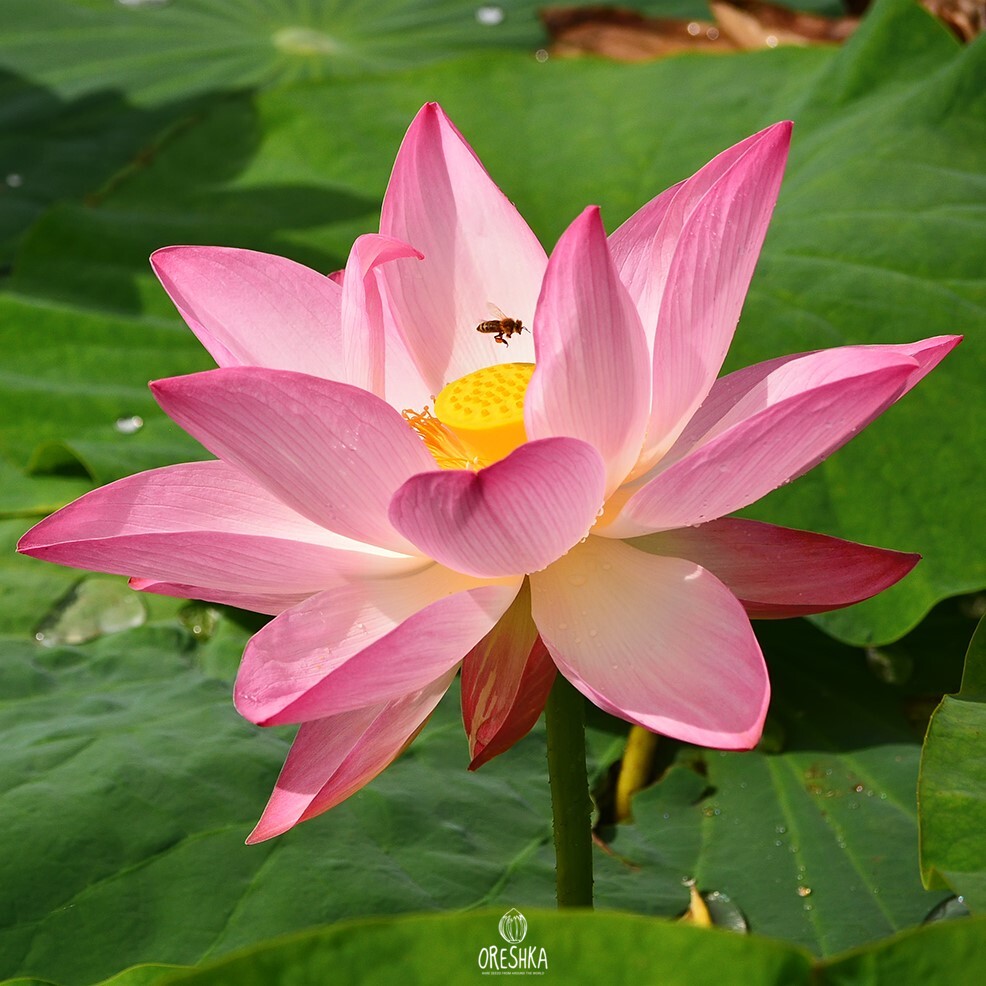
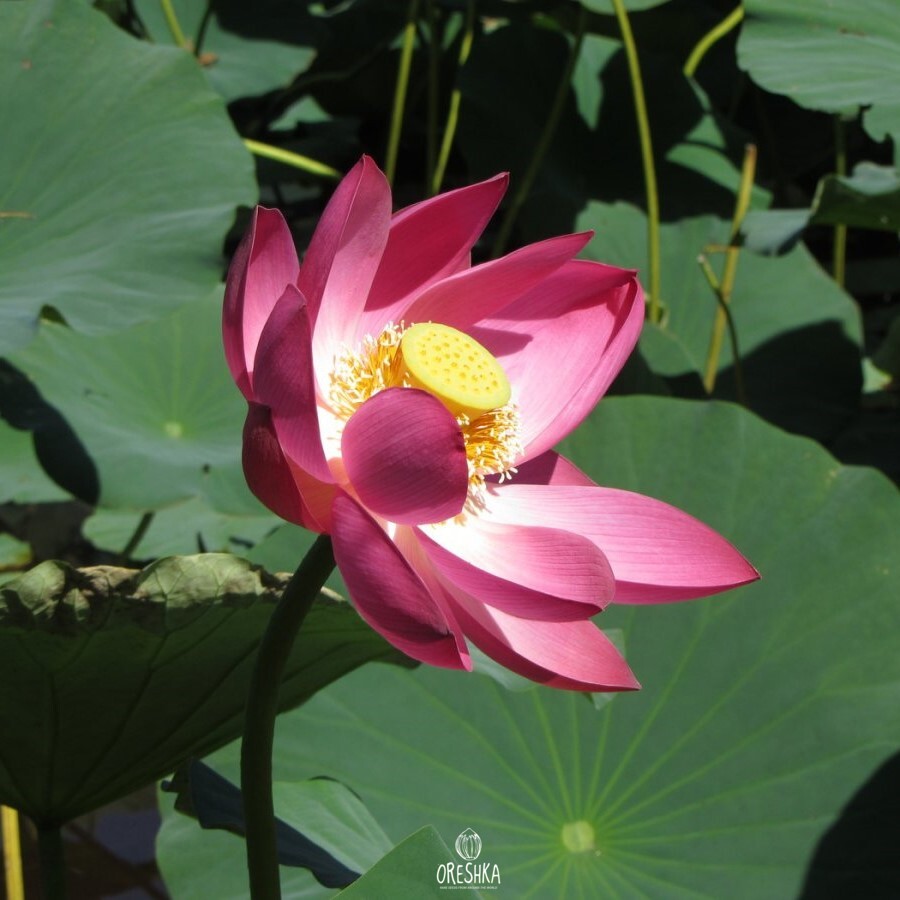
What Is Komarov Lotus — and Why Is It So Rare?
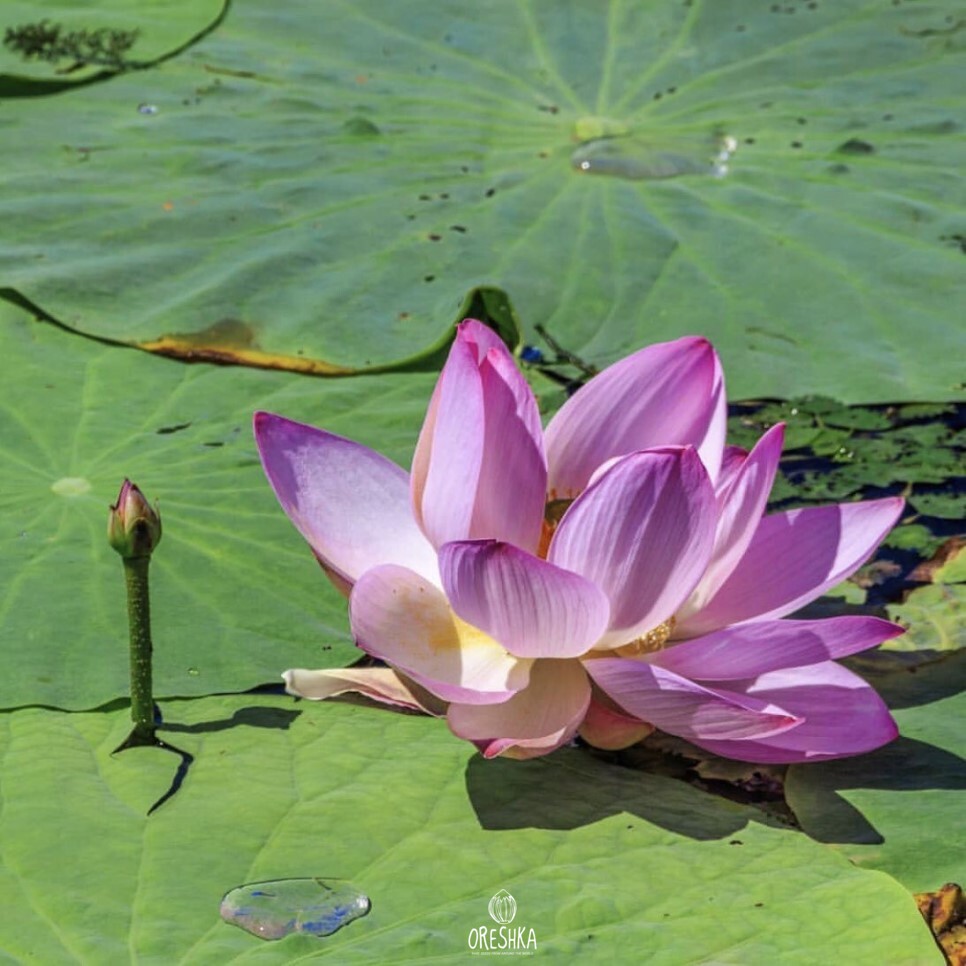
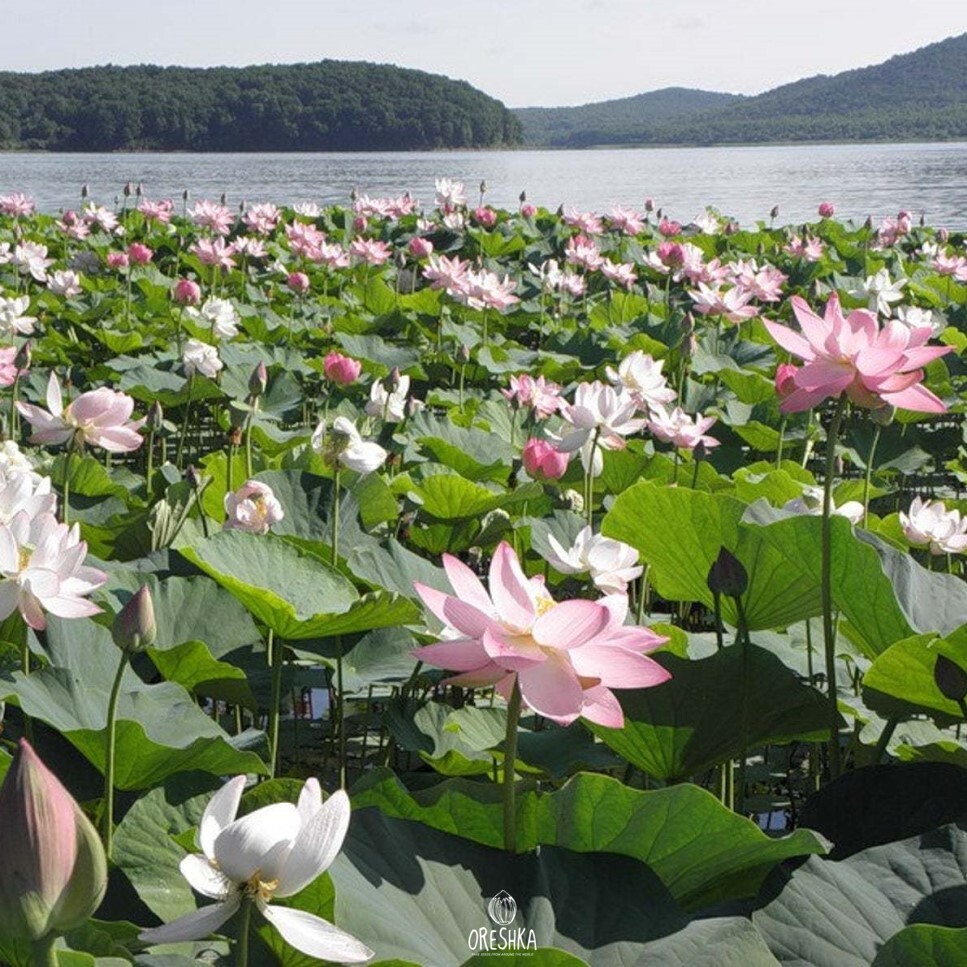
Komarov Lotus (Nelumbo nucifera var. komarovii, syn. Nelumbo komarovii) is a perennial aquatic plant and a direct descendant of Tertiary-era flora — plants that survived the Ice Age and exist essentially unchanged for millions of years. It is the northernmost lotus species on Earth, growing naturally only in the wetlands of Russia's Primorsky Krai, close to the permafrost boundary.
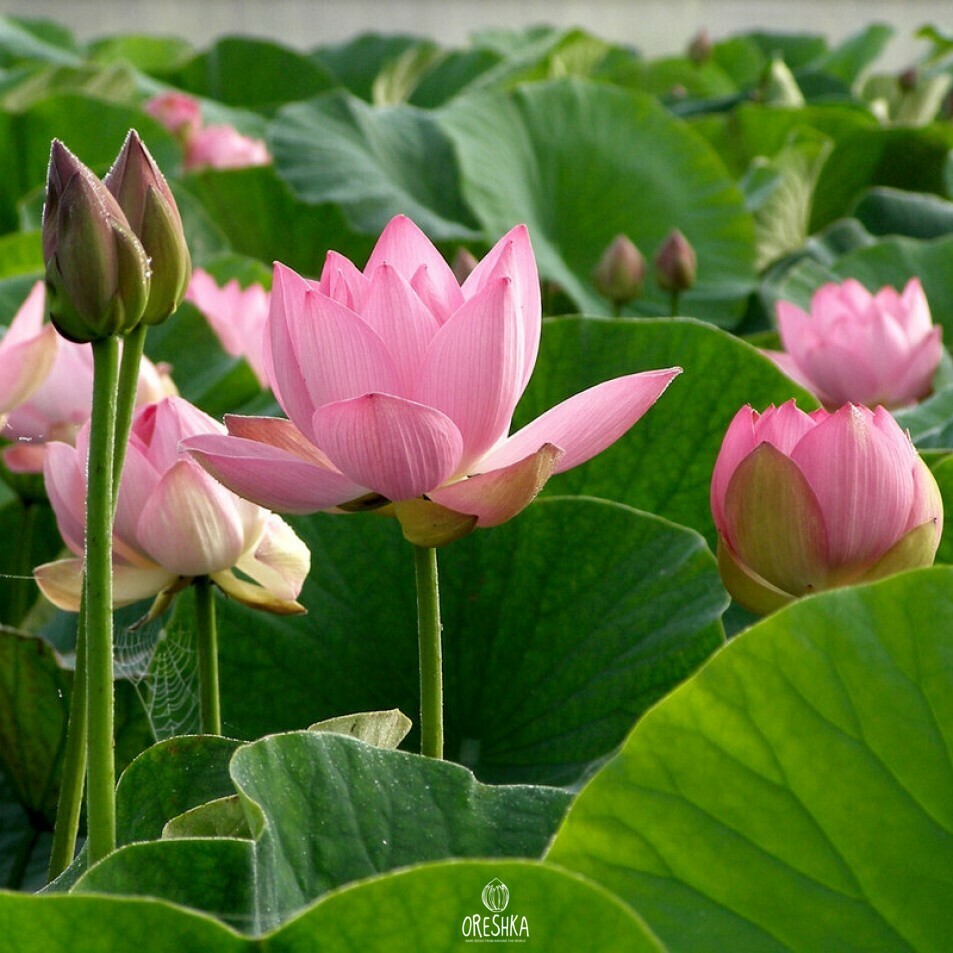
Unlike tropical lotus varieties, Komarov lotus has adapted to cold winters and short growing seasons. This makes it one of the very few lotuses that can survive in temperate and even cool climates. Collectors and botanists prize it not just for its beauty — flowers up to 30 cm across with petals that shift from deep pink to soft blush over three days — but for its scientific uniqueness.
Why it matters for collectors: Komarov Lotus is listed as a rare relict species. Authentic seeds from its native habitat are extraordinarily difficult to source. Most plants sold under this name are tropical varieties — not the genuine cold-hardy species.
How to Grow Komarov Lotus from Seed
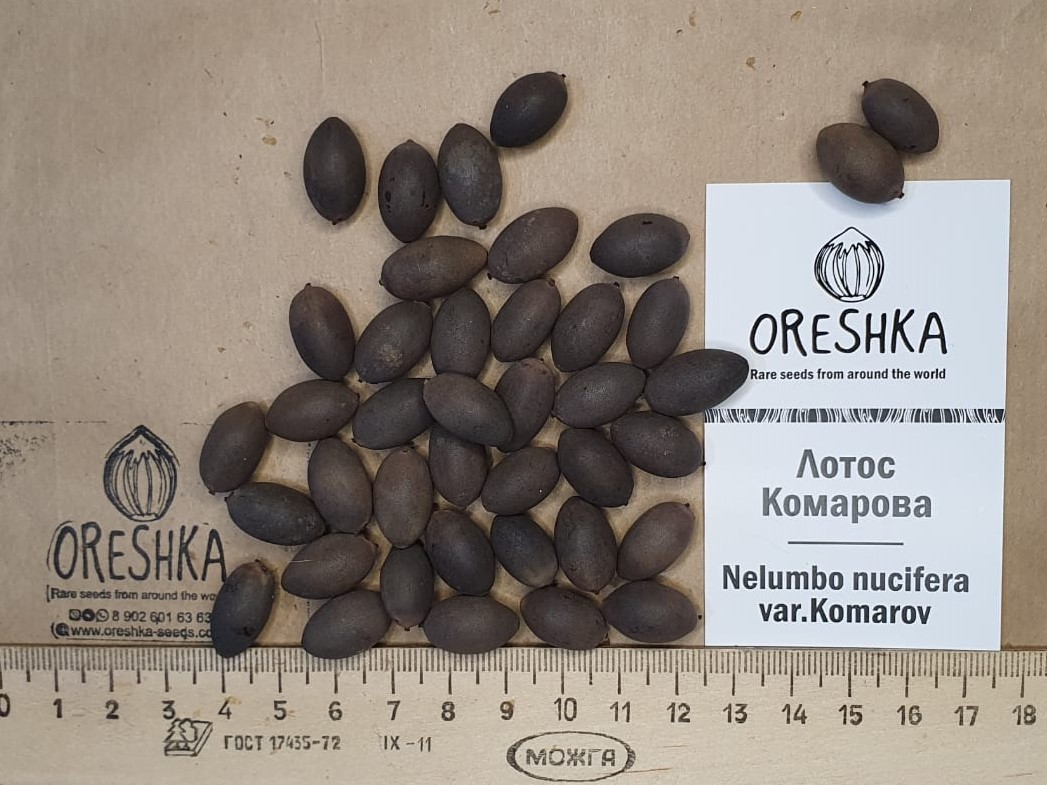
Lotus seeds are extremely long-lived — specimens over 1,000 years old have germinated successfully. But fresh seeds give the best results. Follow these steps carefully.
Scarify the seed coat
The hard seed coat prevents water absorption. Use fine sandpaper or a nail file to lightly abrade one end of the seed until you see a slightly lighter layer. Do not cut through to the interior. This step is non-negotiable — without it, seeds will not germinate.
Soak in warm water
Place scarified seeds in a glass of warm water (28–32°C). Change water daily. Within 3–5 days seeds should swell and a small sprout will emerge. Seeds that remain hard after 7 days were likely not scarified enough — re-file and soak again.
Move to a warm, sunny container
Transfer sprouted seeds to a bowl with 5–10 cm of water. Place in full sun. Air temperature must stay above 25°C — use a heat mat if needed. Tiny leaves will emerge within 1–2 weeks. Keep topping up water as it evaporates; the seedling must never dry out.
Plant in soil substrate
Once the plant has 2–3 leaves, press the rhizome gently into heavy clay or loam soil (not potting mix — it floats). Use a container without drainage holes. Cover soil with 3–5 cm of water initially, gradually increasing depth as the plant grows.
Transfer to pond or large container
Final water depth should be 40–80 cm above the soil surface. The plant needs at least 6 hours of direct sun daily. In cold climates, move the container indoors or to a frost-free location before temperatures drop below 5°C. The rhizome is hardy but young plants are more vulnerable.
Wait for first bloom
Komarov Lotus typically flowers in its second or third year from seed — usually in late July. Flowers last 3 days, with petals darkening on day 1, reaching full spread on day 2, and gently dropping on day 3. The lotus blooms in the morning and closes by midday.
Komarov Lotus vs Other Lotus Species
| Feature | Komarov Lotus | Tropical N. nucifera | American Lotus (N. lutea) |
|---|---|---|---|
| Cold hardiness | Zone 4–10 ❄️ | Zone 8–12 | Zone 5–11 |
| Flower color | Deep pink → blush | Pink, white, red | Pale yellow |
| Flower size | Up to 30 cm | 15–25 cm | 15–25 cm |
| Native climate | Subarctic / temperate | Tropical / subtropical | Temperate N. America |
| Rarity | Extremely rare | Common | Uncommon |
| Collector value | Very high | Standard | Moderate |
Common Mistakes When Growing Komarov Lotus
Skipping scarification
This is the single biggest reason seeds fail. The seed coat of lotus is among the hardest in the plant kingdom — water cannot penetrate without mechanical abrasion. Even if you wait weeks in water, an unscarified seed will not germinate.
Using potting compost or organic soil
Organic-rich substrates float and cloud the water, suffocating roots. Lotus needs heavy, nutrient-poor clay or loam. Add a thin layer of gravel on top to anchor the soil.
Starting too early in spring
Water temperature below 20°C stalls growth and increases rot risk. Wait until water consistently stays above 24°C — or use a heat mat indoors and transplant only when outdoor conditions are right.
Confusing Komarov with tropical lotus varieties
Many sellers mislabel tropical Nelumbo nucifera as "Komarov Lotus." The genuine species is found only in the Russian Far East. If the price seems too low or there's no specific botanical provenance, be cautious.
Frequently Asked Questions
Buy Authentic Komarov Lotus Seeds
Fresh seeds, harvested from the native range in Russia's Far East. Shipped worldwide with growing instructions.