How to Grow Cloudberry from Seed
Rubus chamaemorus · Zone 2 · Arctic Nordic berry · 6–8 weeks cold stratification
189 seed products in the Fruit catalog, with four curated sub-collections — from Manchurian apricot surviving −40°C to tropical dragon fruit and mango. Stone fruit trees, Arctic berries, cold-hardy shrubs, subtropical exotics.
Fruiting plants are among the most requested seed categories in temperate gardening — yet most garden centres stock only a handful of grafted cultivars, never seed-grown originals. This collection covers the full botanical scope of edible fruiting plants: stone fruits and pome fruits in the Rosaceae family, soft-fruited Vaccinium and Rubus species from boreal zones, fruiting shrubs from genus Crataegus and Sorbus, and subtropical species requiring warmer conditions to produce.
Manchurian apricot (Prunus mandschurica) collected from the Russian Far East survives −40°C (USDA Zone 3) — approximately 15°C harder than commercial European apricot cultivars. Seeds require 10–12 weeks cold stratification at 2–4°C before germination at 18–22°C.
Oreshka Seeds sources directly from wild populations and heritage orchards across Russia, Siberia, Central Asia, and North America. The result is genetic material that reflects actual cold adaptation, not nursery-selected softness. Many varieties in this collection are unavailable commercially in Europe — cloudberry, multiple Crataegus species, and zone-3-hardy persimmon.
The collection suits three types of growers: fruit tree collectors building diverse food forests, cold-climate gardeners looking for varieties that survive real winters, and botanical enthusiasts growing fruiting plants rarely seen outside their native regions. B2B orders of 500+ seeds are available for most stone fruit and berry species.
All stone fruit seeds are shipped with the shell intact — germination rate averages 65–80% after cold stratification at 2–5°C for 10–14 weeks. Soft berry seeds (Vaccinium, Fragaria, Rubus) are surface-sown; no burial. Germination tested across multiple batches per season. About our collection →
Each sub-collection has its own page with full variety listings, growing notes, and variety comparisons.
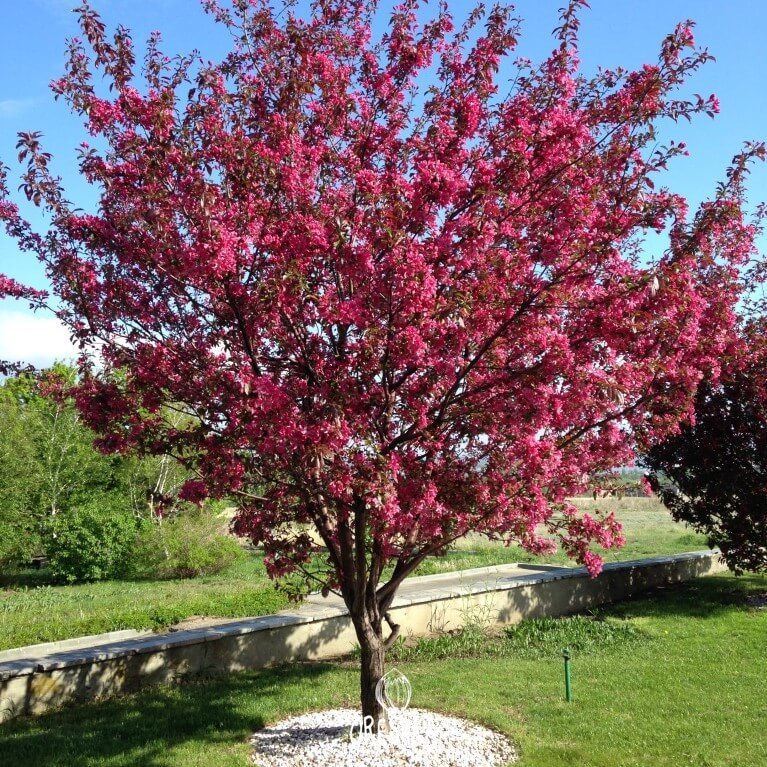
Cherry, plum, apple, pear, peach — stone fruits and pome fruits grown from seed
29 varieties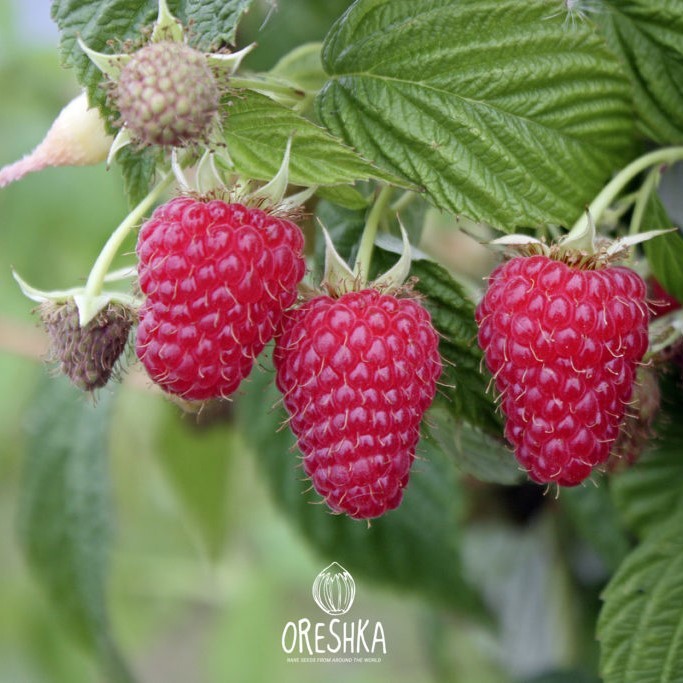
Cloudberry, bilberry, currants, goji, rosehip — cold-hardy edible berries
44 varieties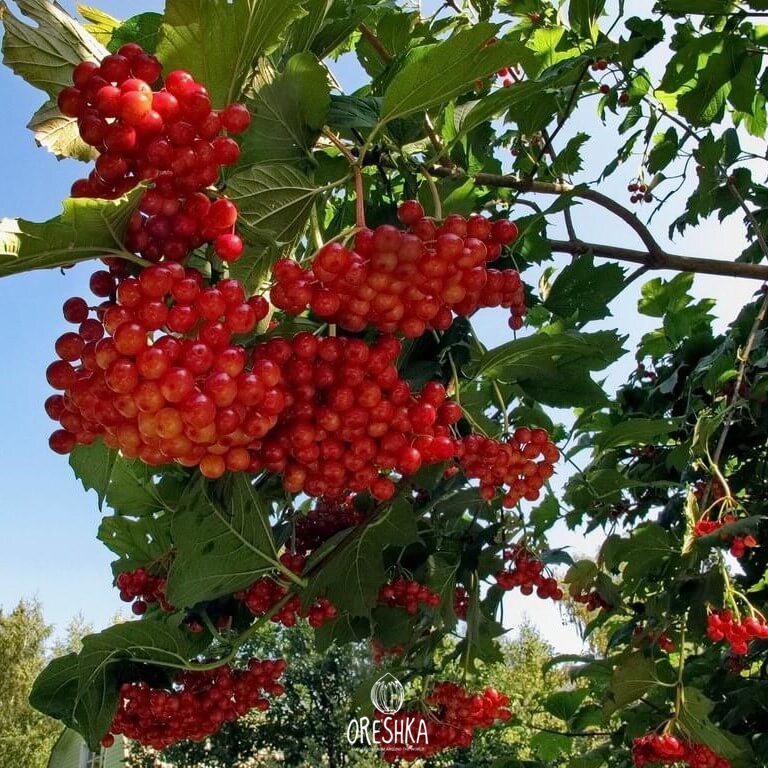
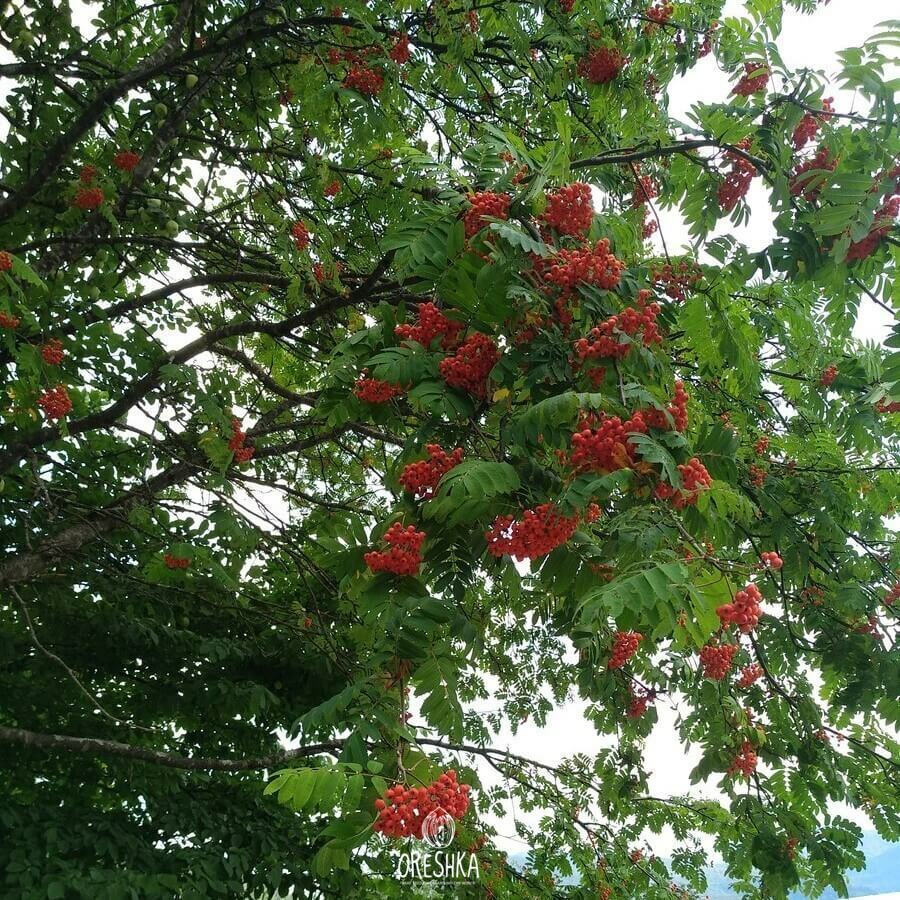
Hawthorn, rowan, viburnum, barberry, dogwood — fruiting shrubs from Zone 3
41 varieties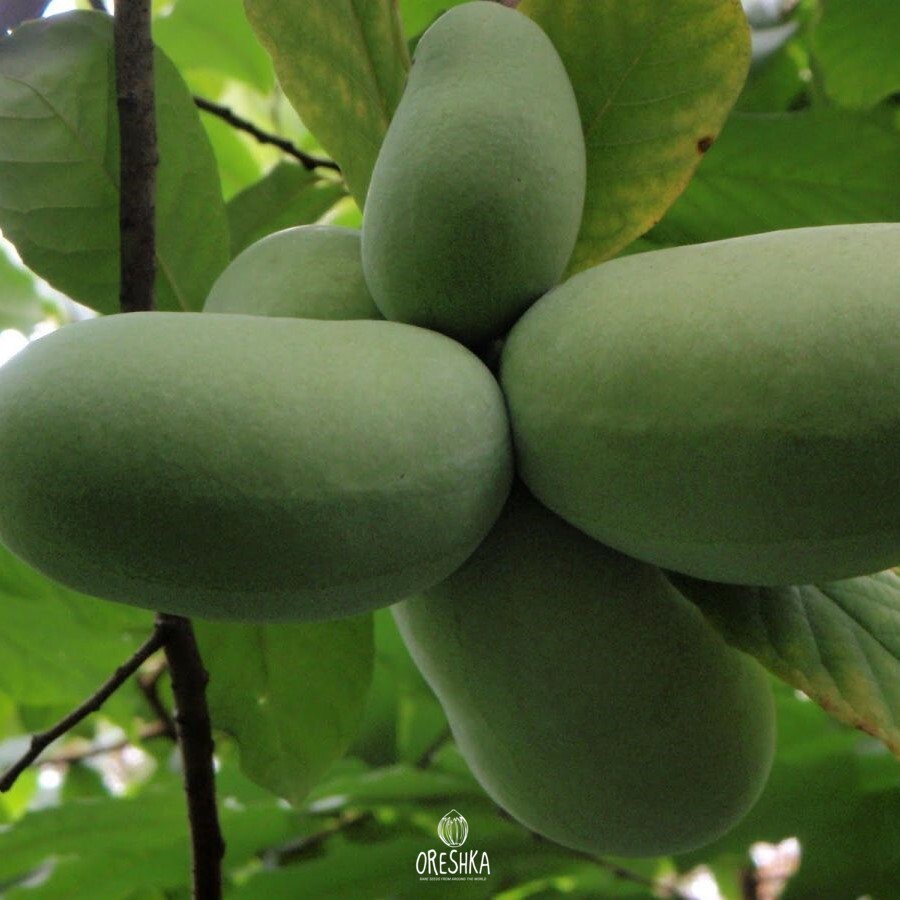
Mango, dragon fruit, lychee, guava, pawpaw — subtropical fruiting plants
20 varieties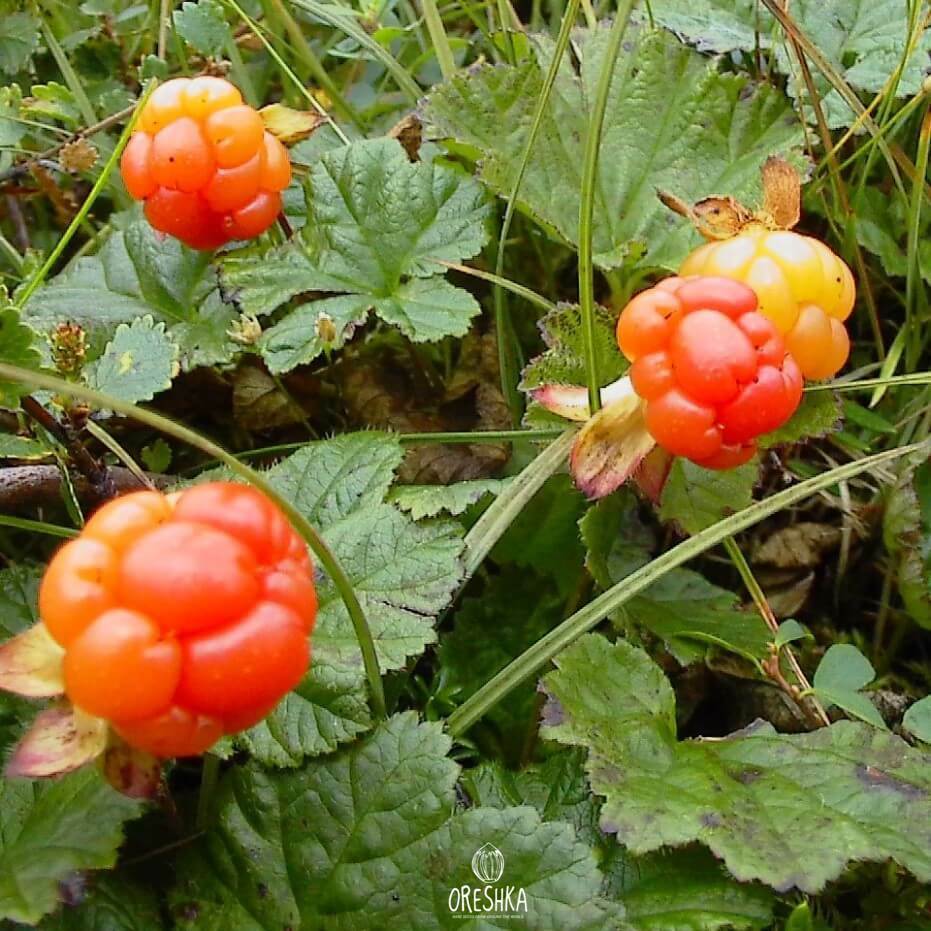
Rubus chamaemorus · Zone 2 · Arctic Nordic berry · 6–8 weeks cold stratification
Hippophae rhamnoides · Zone 3 · nitrogen-fixing · superfood berry shrub
Prunus mandschurica · Zone 3 · survives −40°C · fruits in 5–6 years
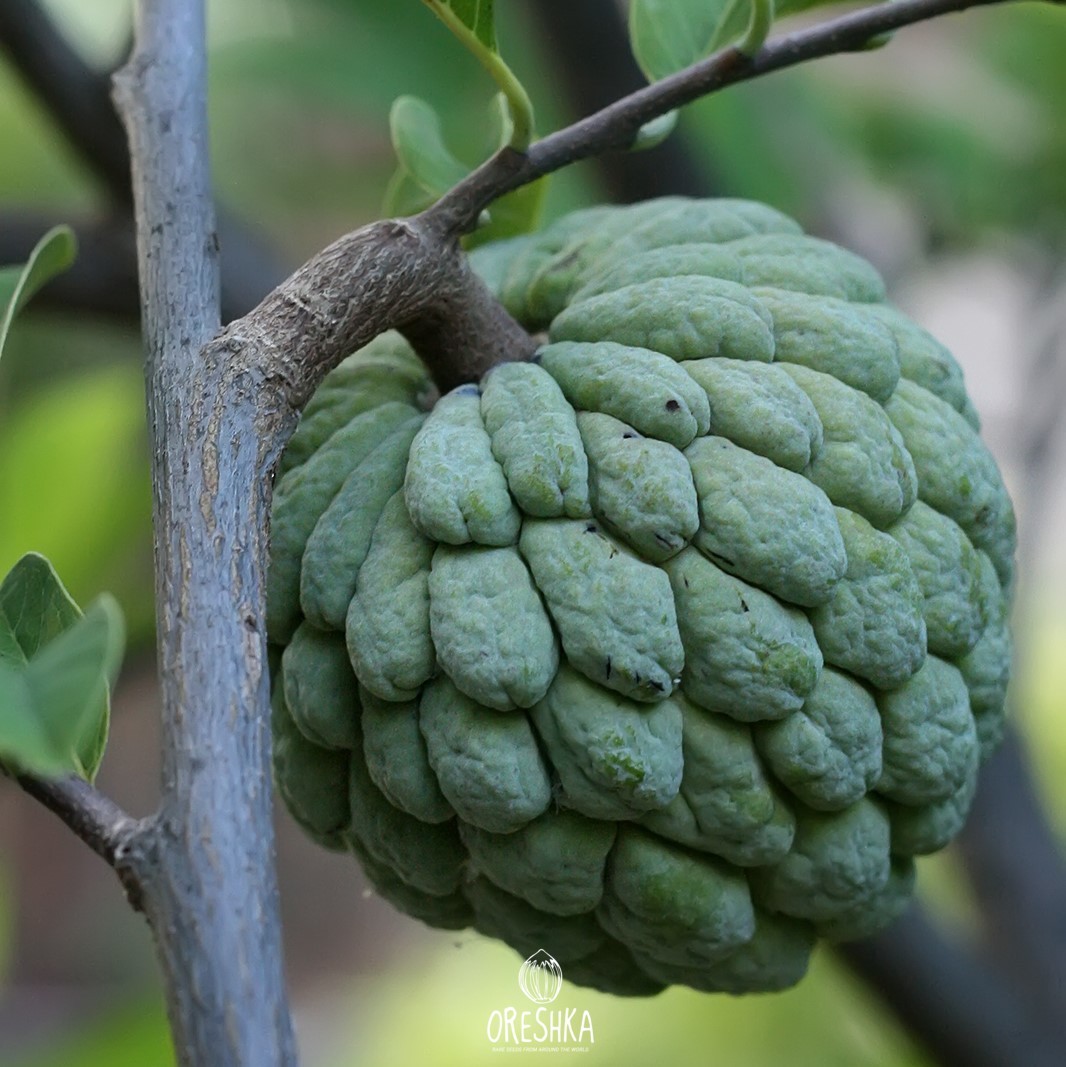
Asimina triloba · Zone 5 · largest native North American fruit · tropical flavour
The Fruit catalog contains 189 seed products. Four dedicated sub-collections include Fruit Trees (29 varieties — cherries, plums, apples, pears, peaches, persimmons, mulberries), Berry Fruits (44 varieties — currants, cloudberry, bilberry, raspberry, goji), Shrub Fruits (41 varieties — hawthorn, rowan, viburnum, barberry, dogwood), and Exotic Fruits (20 varieties — mango, dragon fruit, lychee, guava, pawpaw). Each sub-collection has its own dedicated page with variety comparisons.
Many varieties in this collection tolerate Zone 3 and below. Manchurian apricot (Prunus mandschurica) survives −40°C, Nanking cherry (Prunus tomentosa) to −35°C, and hawthorn (Crataegus sanguinea) to −45°C. In the UK, nearly all Prunus, Malus, Pyrus, Sorbus, and Ribes varieties in this collection will fruit outdoors year-round with no protection.
Black currant (Ribes nigrum) and gooseberry (Ribes uva-crispa) germinate reliably at room temperature with no stratification needed and typically fruit in 2–3 years. Hawthorn (Crataegus monogyna) also germinates well after 12–16 weeks cold stratification. Apple (Malus domestica) responds to 6–8 weeks at 4°C and sprouts readily at 18–20°C.
Fast-fruiting species include hawthorn (Crataegus) at 5–7 years and cherry (Prunus avium) at 4–6 years from seed. Apple trees require 8–12 years. Persimmon (Diospyros virginiana) may fruit in 6–8 years. Note that seed-grown trees do not produce clones of the parent — expect variation in fruit size and flavor, which is part of the appeal for collectors.
Several species in this collection suit container growing long-term. Virginia persimmon (Diospyros virginiana) stays compact in a 40–60 litre pot. Citrus and pomegranate (Punica granatum) fruit reliably indoors or on a sheltered patio. Dwarf apple varieties from Malus can be maintained in containers with annual root pruning. Most Prunus species grow too large for permanent container culture.
Oreshka Seeds sources from original growing regions: Manchurian apricot and Nanking cherry from the Russian Far East, hawthorn from Siberia and the Caucasus, pawpaw (Asimina triloba) from North America. Local nurseries rarely stock more than 5–10 fruit species from seed. The collection covers 189 seed products, including species unavailable commercially in Europe — cloudberry, multiple hawthorn species, and cold-hardy persimmon.
Fruit Trees · Berry Fruits · Shrub Fruits · Exotic Fruits
189 seed products · Worldwide shipping · Fresh harvest
oreshka-seeds.com · Sealed packets · 2–3 day dispatch · Fresh harvest