

Ground Nut Seeds
Peanuts, tiger nuts and wild-type groundnut species — open-pollinated, germination-tested, shipped worldwide in sealed packets.
Plants that fruit below the ground
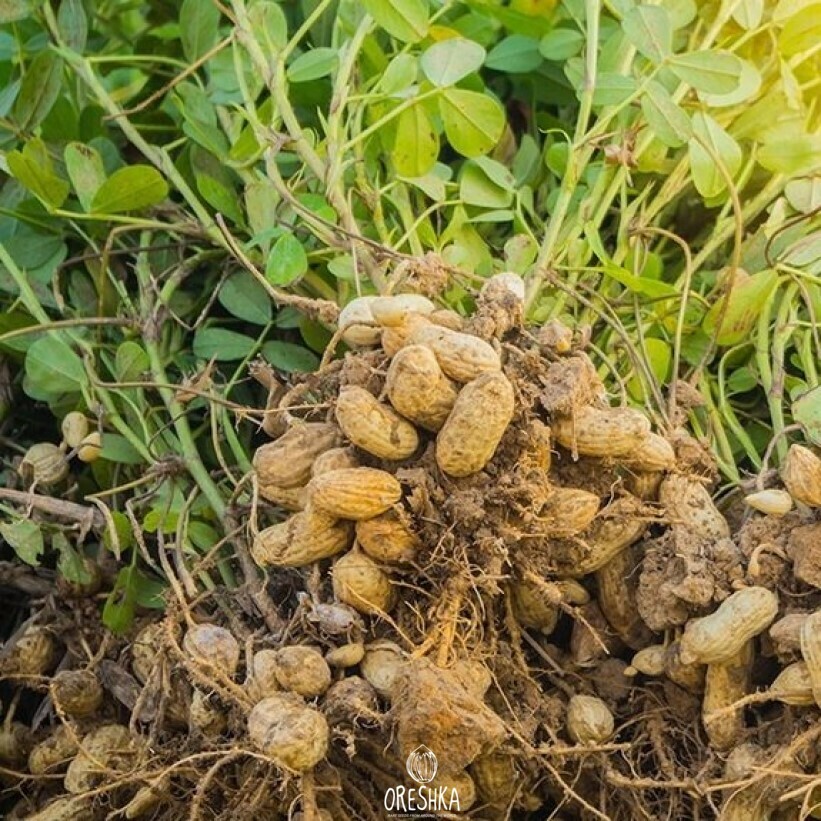
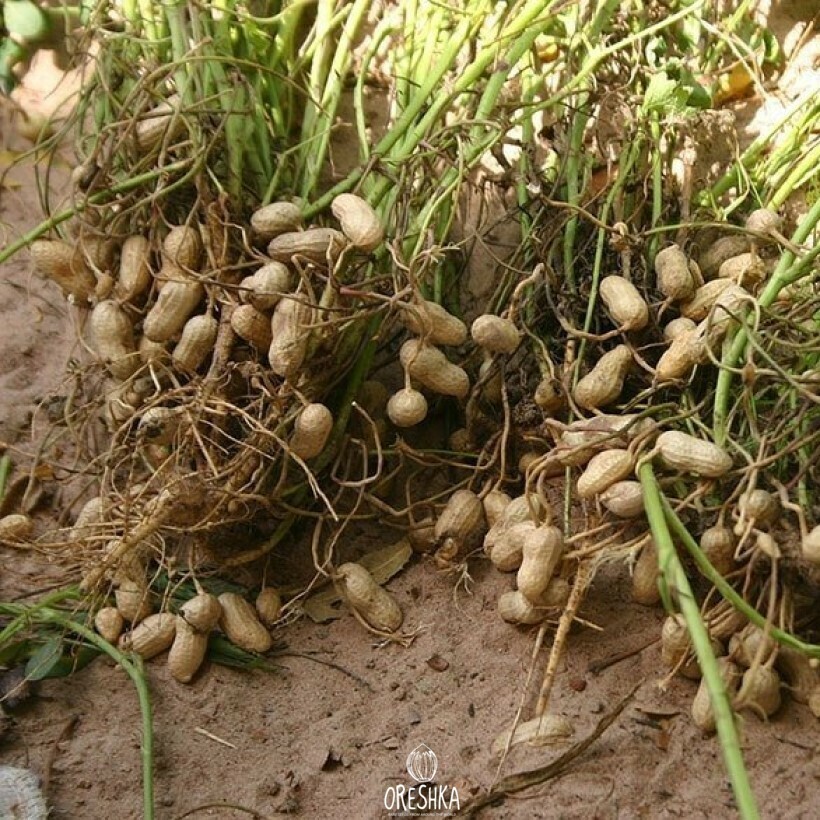
Ground nuts are defined not by taxonomy but by behaviour: they ripen underground, hidden from birds and frost, harvested by lifting rather than picking. The term covers botanically unrelated plants that arrived at the same strategy through different evolutionary paths.
The cultivated Peanut (Arachis hypogaea) is a South American legume in the family Fabaceae — more closely related to clover and chickpeas than to any true nut. Tiger Nut (Cyperus esculentus) is a sedge, a grass-like plant producing clusters of starchy tubers on underground stolons. The Wild Striped Peanut (Arachis agrestis striata) is a botanical specimen that has never been domesticated — its seeds carry the genetic diversity lost from 5,000 years of selective breeding.
All three are suited to container growing. All three mature within a single season. And all three produce a harvest that is quite literally out of sight until the moment you lift the plant.
Tiger Nut (Cyperus esculentus) tubers contain 30–36% oil — a lipid profile close to olive oil — and were among the first agricultural crops in the Nile Delta, with cultivation evidence dating to 4,000 BCE in ancient Egypt.
Seeds and tubers in this collection are stored under controlled temperature and humidity conditions between harvest and dispatch. Dispatched in heat-sealed moisture-proof packets within 2–3 business days. About our collection →

Three species. One growing season.
Each variety harvested below the soil — each from a different botanical family, climate, and history.
Peanut
Arachis hypogaea · SKU Z1b · 25 seedsAfter the flower self-pollinates, the stalk elongates and pushes the developing pod into the soil — a process called geocarpy found in fewer than 20 plant genera worldwide. The pod develops entirely underground, protected from light and temperature swings. Start seeds indoors 4–6 weeks before the last frost date; transplant when soil temperature reaches 18°C.

Tiger Nut
Cyperus esculentus · SKU Z2b · 10 tubersNot a nut, not a grass — a sedge. Underground stolons spread horizontally from the plant, producing small wrinkled tubers with a sweet, nutty flavour used in horchata in Spain and as a staple crop in West Africa. Tubers contain 30–36% oil and up to 30% starch. Soak tubers for 24 hours before planting. Shoots emerge in 10–14 days at 20–25°C. A single plant produces 50–200 tubers per season in a 10-litre container.
Wild Striped Peanut
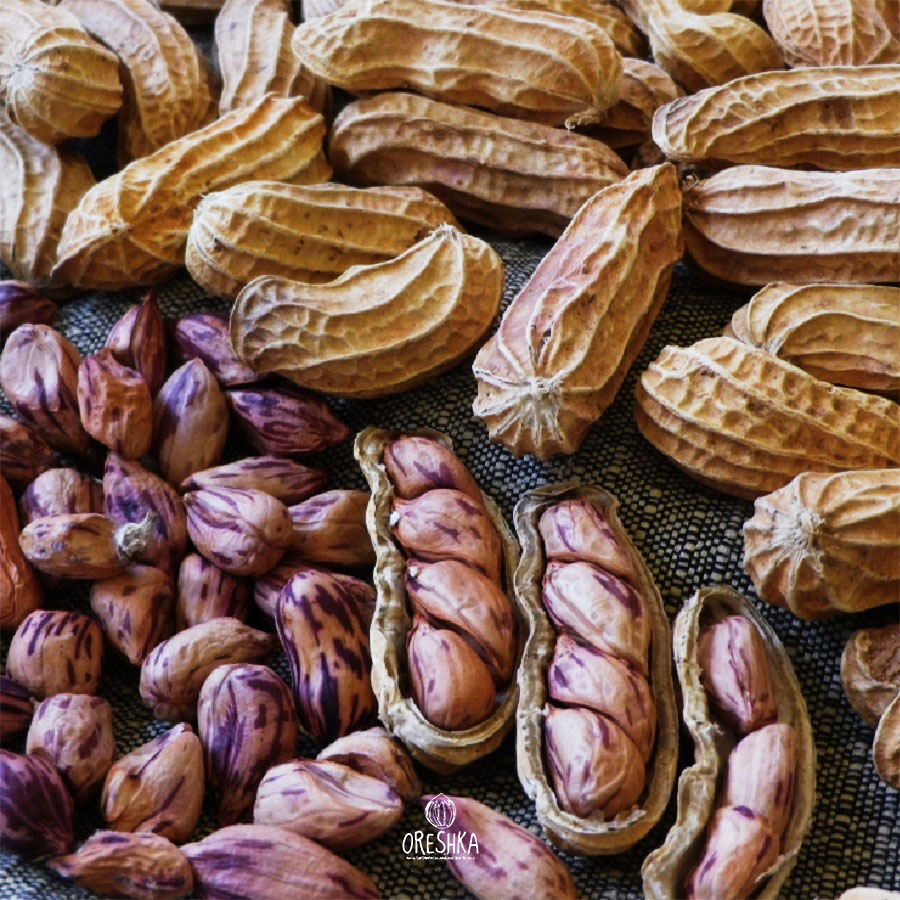
Arachis agrestis striata · SKU Z3b · 5 seedsA wild, never-domesticated Arachis species with distinctly striped seeds smaller than those of cultivated peanut. It carries genetic diversity absent from commercial lines — useful for botanical study, controlled crossing, and seed saving. Flavour is more intense and earthy than A. hypogaea. This is a collector’s specimen: 5 seeds per pack reflects the rarity of authenticated wild-type stock.
Step-by-step articles
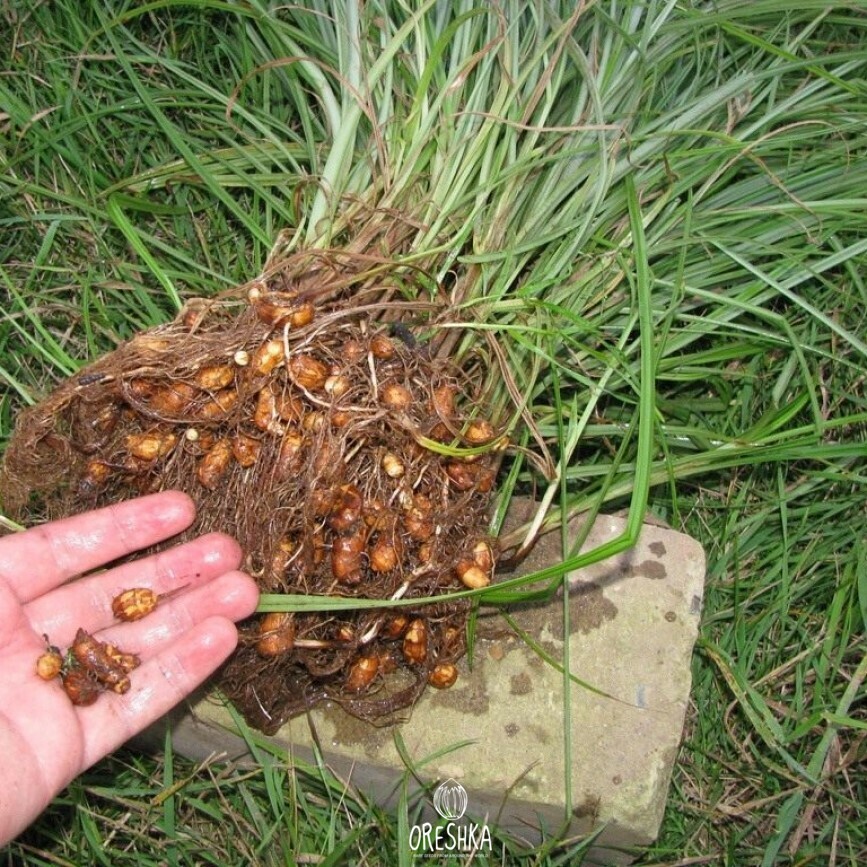
How to Grow Tiger Nut (Chufa) from Seed — Complete Guide
Soak tubers 24 hours before planting. First shoots appear in 10–14 days at 20–25°C. One plant, one 10-litre pot, 50–200 tubers per season.
Read guide →Frequently asked questions
What ground nut seeds does Oreshka Seeds carry?
Oreshka Seeds stocks three ground nut varieties: cultivated Peanut (Arachis hypogaea, 25 seeds), Tiger Nut or Chufa (Cyperus esculentus, 10 tubers), and Wild Striped Peanut (Arachis agrestis striata, 5 seeds). All are open-pollinated and dispatched in sealed moisture-proof packets within 2–3 business days.
Which ground nut is the easiest to grow for first-time growers?
Tiger Nut (Cyperus esculentus) is the most forgiving starter variety. Soak the tubers for 24 hours, plant 3–5 cm deep, and keep the container at 20–25°C — shoots appear in 10–14 days. A standard 10-litre pot produces a full harvest. Standard Peanut (Arachis hypogaea) is the next easiest if soil temperature stays consistently above 18°C throughout the growing season.
Can I grow peanuts or tiger nuts in a cold climate — UK, Zone 5, or Northern Europe?
Cultivated Peanuts need 120–140 frost-free days with soil temperatures consistently above 18°C — achievable in Zone 6+ with black plastic mulch and season extension. In Zone 5, the UK, or Northern Europe, Tiger Nut is the better choice: it completes its 100–120-day cycle under a polytunnel or in an unheated greenhouse when started indoors in April.
What is the difference between Arachis hypogaea and Arachis agrestis striata?
Arachis hypogaea is the domesticated peanut cultivated for 5,000 years, producing large two-seeded pods with high oil content. Arachis agrestis striata is a wild species with distinctly striped, smaller seeds and a more intense, earthy flavour — it has never entered commercial cultivation. Oreshka’s Z3b stock is a botanical collector’s specimen suitable for research, seed saving, and experimentation.
Can tiger nuts be grown permanently in containers?
Yes. Tiger Nut (Cyperus esculentus) adapts well to containers with at least 30 cm depth and 10 litres volume per plant. Use a sand-rich mix, keep soil consistently moist, and place in direct sun. Each plant produces 50–200 tubers per season and can be overwintered indoors as dormant dried tubers.
How long from planting to harvest for peanuts and tiger nuts?
Peanuts (Arachis hypogaea) take 120–140 days from transplant to harvest — start seeds indoors 4–6 weeks before the last frost. Tiger Nut tubers are ready in 100–120 days after shoots emerge. Both signal maturity when foliage begins to yellow; lift the entire plant and dry for 2–3 weeks before shelling or storing.
Are peanuts and tiger nuts botanically related?
No. Peanuts (Arachis, family Fabaceae) are tropical legumes that push flower stalks into the soil after pollination — a process called geocarpy — to form pods underground. Tiger Nut (Cyperus esculentus, family Cyperaceae) is a sedge producing edible tubers on underground stolons, entirely unrelated to the peanut family. Both are called ‘ground nuts’ in trade because they are harvested below soil level.
Browse the Full Ground Nut Collection
Peanut · Tiger Nut · Wild Striped Peanut · Worldwide shipping · Sealed packets
oreshka-seeds.com · Sealed packets · 2–3 day dispatch