Blue Spruce
Picea pungens Glauca60–80% of seedlings develop the characteristic silver-blue wax coating. Hardy to −35°C, ornamental specimen for parks and large gardens.
62 conifer species spanning boreal forests to Himalayan ridgelines — from cold-hardy Siberian species that survive −50°C to ancient redwoods and the once-thought-extinct Metasequoia.
SHOP 62 CONIFER SPECIESConifers are the backbone of the world's forests — comprising around 630 species that occupy more land area than any other tree group. As seed-bearing plants that predate flowering trees by 200 million years, they have evolved extraordinary resilience. A single collection can span boreal taiga, alpine treelines, subtropical coastal cliffs, and ancient temple gardens. The 62 species in this section represent that full range, from the northernmost larches of Siberia to Himalayan pines and California's coastal redwoods.
Most of this collection originates from open-pollinated, wild-type or documented cultivar sources across Eurasia and North America. Cold-stratification requirements, germination temperatures, and growth rates vary significantly between genera — the guide below breaks down what distinguishes each group.
Larix sibirica (Siberian larch) holds the record among these species for cold hardiness: mature trees survive sustained temperatures below −50°C and are USDA Zone 1 rated. In contrast, Sequoia sempervirens (Coast Redwood) requires frost-free winters and grows best in maritime Zone 8–9 climates — a gap of 8 hardiness zones within a single collection.
All seed lots are packed in sealed moisture-proof packets and dispatched within 2–3 business days. Viability testing is performed by germination trial, not by date alone — each lot is re-tested seasonally before listing.
Conifer seeds from cold-climate species must be handled carefully after harvest — viability drops steeply if seeds dry out or warm above 15°C during storage. We keep all lots in controlled cold storage and ship in sealed foil packets to maintain 6–12 month viability after dispatch. About our collection →
60–80% of seedlings develop the characteristic silver-blue wax coating. Hardy to −35°C, ornamental specimen for parks and large gardens.
The classic Christmas tree. Fast-growing, hardy to Zone 2, forms a perfect conical crown. Dominant species of European boreal forests covering over 3 million km².
Iconic orange-red bark, blue-green needles. Extremely cold-hardy to −40°C, drought-tolerant. Thrives on poor, sandy soils where other conifers struggle.
Legendary edible pine nuts. Zone 2 hardy, native to the Ural mountains. Produces edible cones after 20–30 years. Slow-growing, extremely long-lived.
Graceful drooping branch tips, soft silvery-green needles. One of the most elegant conifers — native to Himalayan slopes at 1,500–3,200 m altitude.
Flat, soft needles with silver-white undersides visible at a glance. Upright cones disintegrate on the tree — one of the reasons wild seed is rarely available commercially.
Hardy pioneer species with aromatic blue-black berries. Tolerates −35°C, dry slopes, chalk and sand. Slow-growing and nearly indestructible once established.
Dense columnar form, aromatic scale-like foliage. Tolerates −35°C and grows 30–60 cm per year. Perfect for hedges, privacy screens, and windbreaks.
Among the longest-lived trees on Earth — specimens over 4,000 years old are documented in Europe. Shade-tolerant, slow-growing, and iconic for formal hedges.
Known only as a fossil until rediscovered in China in 1944. Grows 50–80 cm per year from year 3. Deciduous — brilliant orange-brown in autumn.
The most cold-hardy deciduous conifer: survives −50°C (Zone 1). Dominant across 2.6 million km² of Russian taiga. Golden-yellow autumn colour.
The world's tallest tree species, reaching 115 m in nature. Grows 1–1.5 m per year under ideal conditions. Suited to maritime Zone 8–9 climates.
Spruces germinate without cold stratification at 15–20°C in 14–21 days. Most prefer moist, well-drained slightly acidic soil and tolerate −30°C or below once established. Blue spruce (Picea pungens Glauca) is the most requested species: 60–80% of seedlings develop the characteristic silver-blue wax coating, though intensity varies. Siberian spruce (Picea obovata) is Zone 3 and forms the dominant tree of the Russian taiga across 7 million km².
Fir seeds require 4–6 weeks cold stratification at 2–4°C before sowing. Unlike spruces, fir cones disintegrate on the tree at maturity, making fresh seed harder to source commercially. Nordmann fir (Abies nordmanniana) is the dominant Christmas tree species in Northern Europe and grows 1–1.5 m per year after establishment. Siberian fir (Abies sibirica) is Zone 2 hardy and highly aromatic — its essential oil is used medicinally across Russia.
The largest genus in the collection with 16 species. Two-needle pines (Scotch, Black) germinate readily at 18–22°C in 10–20 days. Five-needle pines (Korean cedar, Siberian cedar, Himalayan white pine) need 3–4 months cold stratification and grow slowly — Korean cedar reaches 1 m in 5–7 years. Lacebark pine (Pinus bungeana) is among the rarest ornamentals: its bark exfoliates to reveal white, green and brown patches, and fewer than 1,000 mature wild trees remain in China.
Larches are the only common deciduous conifers — they drop their needles in autumn after turning golden yellow. Germination is straightforward at 18–22°C in 14–28 days, often without cold treatment. Siberian larch (Larix sibirica) is among the most cold-tolerant trees on earth at −50°C. Japanese larch (Larix kaempferi) is the fastest-growing species in temperate gardens, adding 60–80 cm per year from year 2 in good conditions.
Thuja occidentalis (Eastern white cedar) and its cultivars are among the most planted screening conifers in temperate gardens, tolerating −35°C and growing 30–60 cm per year once established. Seeds germinate readily at 18–22°C in 21–30 days. Japanese cedar (Cryptomeria japonica) is one of Japan's dominant timber trees — fast-growing, reaching 5 m in 10 years in mild climates — and responds well to container culture for the first 4–6 years.
This group spans the widest climate range in the collection. Junipers tolerate −35°C and dry, alkaline soils where other conifers fail. Taxus baccata (English yew) is among the longest-lived trees in Europe — individual trees exceeding 4,000 years old are documented. Bald cypress (Taxodium distichum) is fully deciduous and uniquely tolerates waterlogged and flooded soils for months at a time. Seeds of most cypress genera need 4–8 weeks cold stratification.
Metasequoia glyptostroboides was known only from 60-million-year-old fossils and thought extinct until a living stand was discovered in Hubei, China in 1944. Seeds germinate in 14–21 days at 20°C without stratification, and trees grow 50–80 cm per year from year 3. Coast Redwood (Sequoia sempervirens) is the world's tallest tree species and prefers maritime Zone 8–9 climates; it is among the most rewarding species to grow from seed due to rapid juvenile growth of 1–1.5 m per year under ideal conditions.
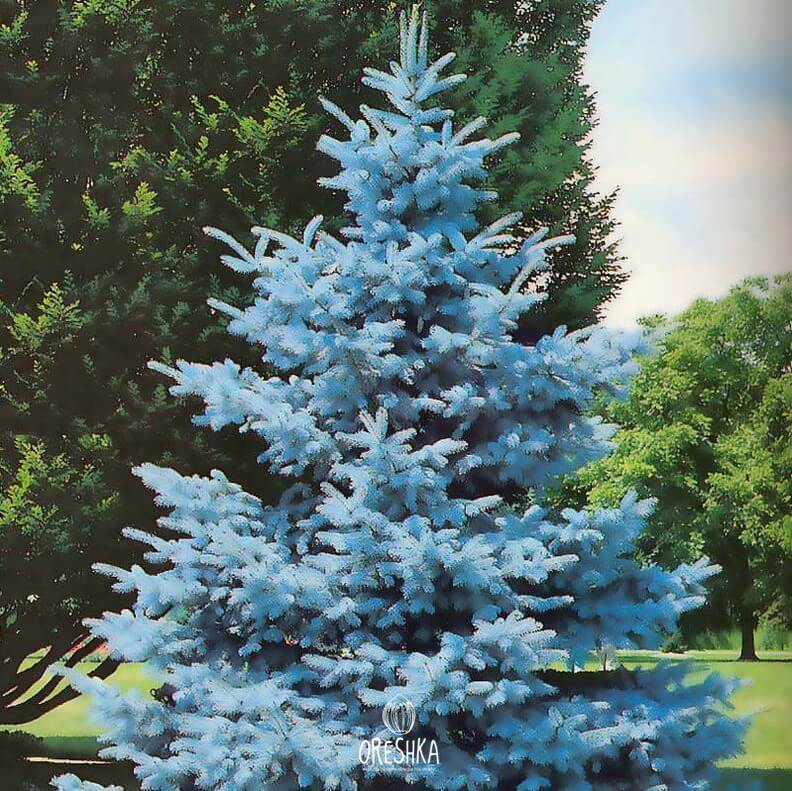
Cold stratification, sowing depth, and first-year care for Picea pungens Glauca
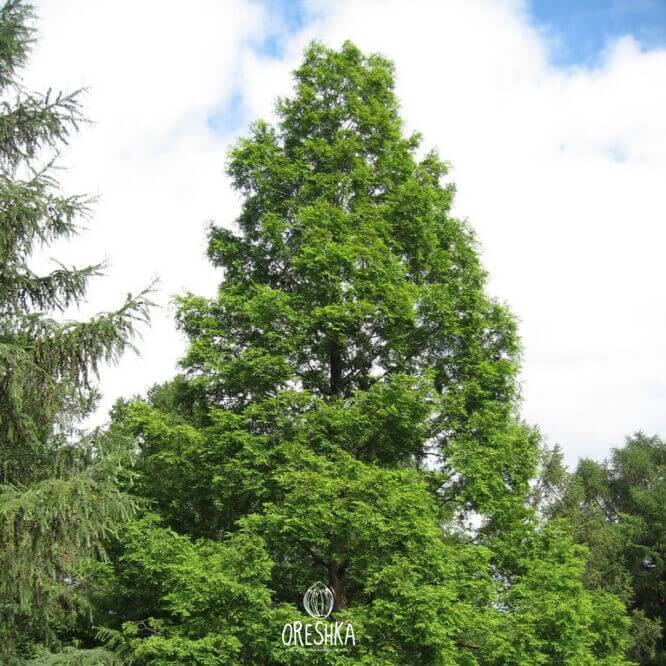
The living fossil — germination guide for Metasequoia glyptostroboides
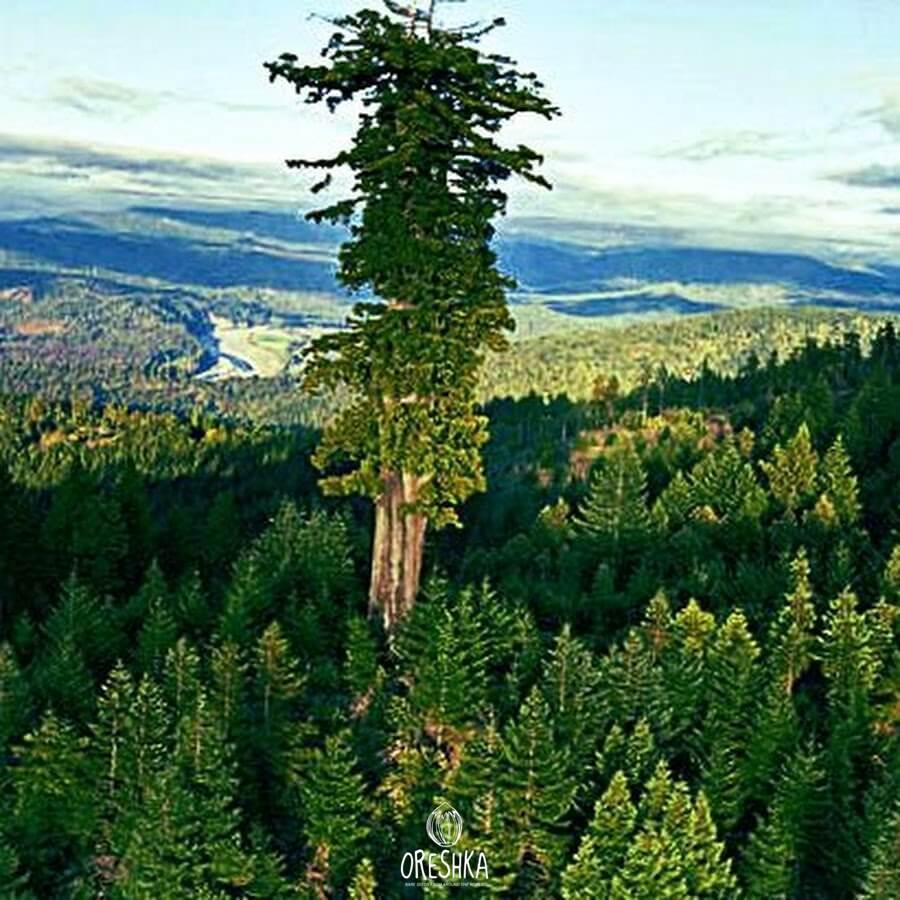
Growing the world's tallest tree species from fresh Sequoia sempervirens seed
Scotch pine (Pinus sylvestris) and Norway spruce (Picea abies) are the most forgiving choices. Both germinate reliably at 18–22°C within 10–20 days without stratification. Thuja occidentalis is another low-difficulty option that tolerates variable moisture during germination.
Yes. Siberian larch (Larix sibirica) survives to −50°C and is reliable through Zone 1. Siberian spruce (Picea obovata), Black spruce (Picea mariana), and Korean cedar (Pinus koraiensis) are all Zone 3–4 hardy. Most pines and spruces in this collection tolerate UK and Northern European winters without protection once established.
Spruce cones hang downward and release winged seeds; fir cones stand upright and disintegrate on the tree, so fresh seeds are harder to source. Fir seeds typically need 4–6 weeks cold stratification at 2–4°C, while many spruces germinate without cold treatment. Spruce seedlings are generally faster-growing in the first 3 years.
Mugo pine (Pinus mugo), Pinus pumila, and dwarf thuja forms are the best candidates for container culture. They remain manageable at 1–2 m over 15–20 years. Larger species like Blue spruce or Siberian larch can be container-grown for 4–7 years before requiring open ground or very large planters (200+ litres).
In the first year, most conifers reach 3–10 cm. Fast species such as Douglas fir and Norway spruce can reach 1 m in 4–5 years under good conditions. Metasequoia is among the fastest, adding 50–80 cm per year from year 3. Cedar sibirica and Korean cedar grow slowly, reaching 1 m in 8–10 years.
Both are five-needle pines prized for edible seeds, but Korean cedar (Pinus koraiensis) is native to the Russian Far East, Korea and northeast China, and tolerates Zone 3 cold. Siberian cedar (Pinus sibirica) is native to the Ural mountains and western Siberia, is Zone 2 hardy, and produces slightly larger seeds. Germination for both requires 3–4 months cold stratification.
Choose by growth goal: pines are drought-tolerant once established and suit dry or poor soils; spruces prefer moist well-drained slightly acidic sites and offer dense year-round screening; firs need higher humidity and suit northern or mountain gardens; larches are the only commonly deciduous conifers — spectacular in autumn colour, extremely hardy, and fast-growing. Redwoods and Metasequoia suit milder climates or sheltered spots.
Spruce · Pine · Fir · Larch · Cypress · Redwood · Worldwide shipping · Fresh harvest
View Full Collection → Read Growing Guide →oreshka-seeds.com · Sealed packets · 2–3 day dispatch