

Vegetable Seeds
500 Heirloom Varieties
varieties in stock
from per pack
sale price
500 Open-Pollinated Vegetable Varieties — Why Heirloom Matters
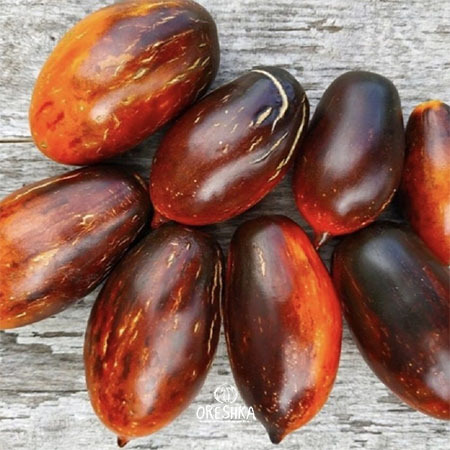
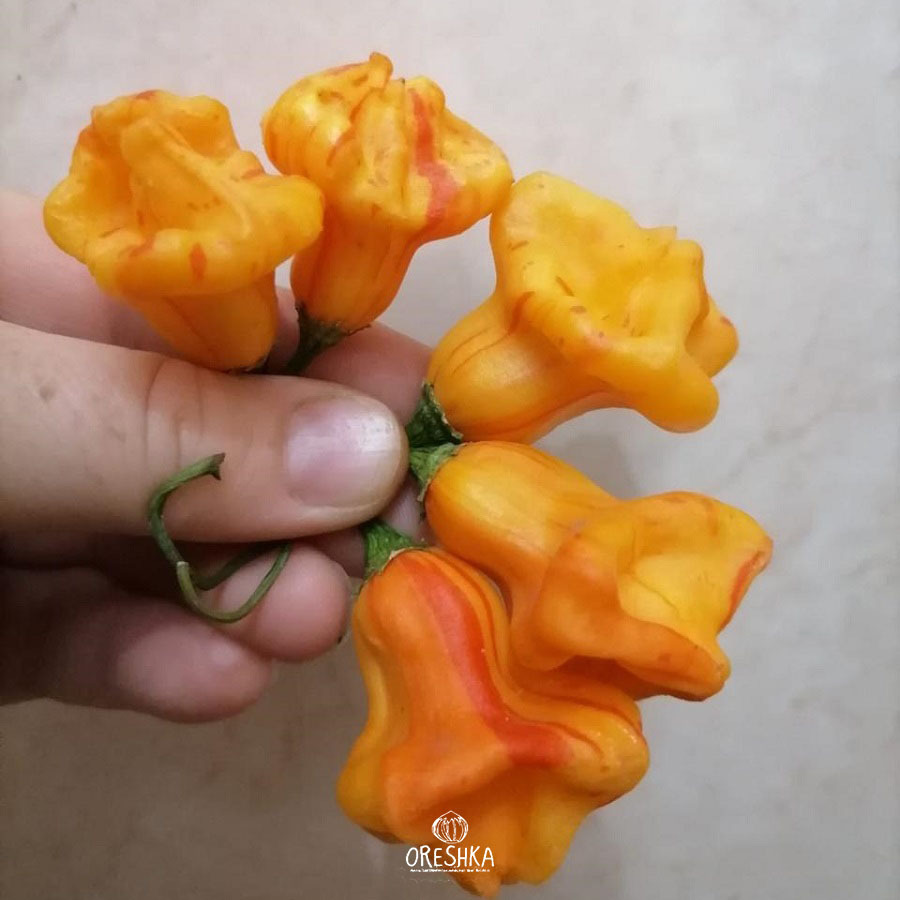
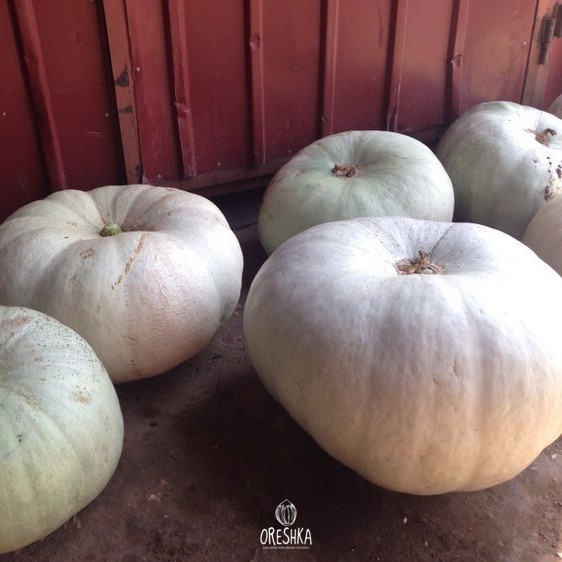
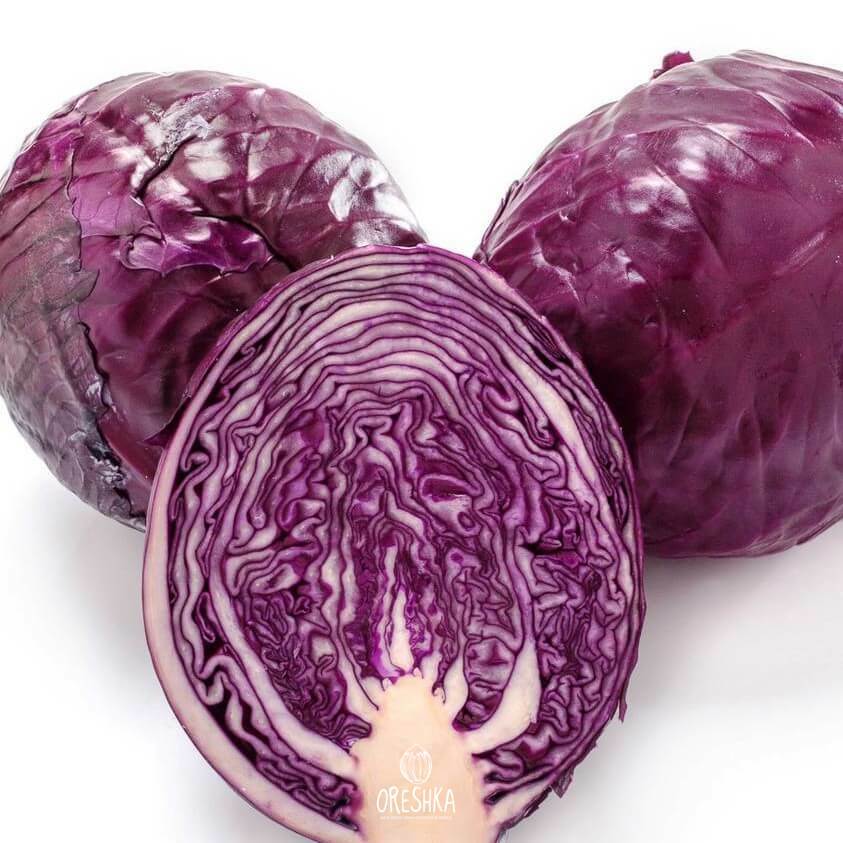
The Oreshka vegetable catalogue covers the full range of kitchen garden crops: 183 tomato varieties in stock across every colour, shape and size; 201 pepper varieties in stock from sweet pimientos to extreme Capsicum chinense; 50 cucurbit varieties in stock including pumpkins, gourds, melons and cucumbers; brassicas, root vegetables, legumes and more.
Every variety in this catalogue is open-pollinated — meaning seeds saved from this season's best plants will grow true-to-type next season. This is not possible with F1 hybrid seeds, which dominate mainstream garden centres but revert to unpredictable parental crosses in the second generation. Heirloom varieties also carry flavour profiles, colours and textures that commercial breeding has largely abandoned in favour of shelf life and uniformity.
Key Facts About the Collection
How to Grow Vegetables from Seed — 6 Steps
Know your crop: indoor or outdoor sowing
Warm-season crops — tomato, pepper, pumpkin, cucumber — must start indoors 6–12 weeks before the last frost. Cool-season crops — cabbage, radish, beets, peas, beans — can be sown directly outdoors from early spring or even late autumn. Getting this distinction right is the single most important step for a successful vegetable garden.
Sowing depth — the universal rule
Sow seeds at a depth of twice their diameter. Fine seeds (tomato, pepper, carrot) go 3–5mm deep. Medium seeds (beet, radish, bean) go 1–2cm deep. Large seeds (pumpkin, squash, corn) go 2–3cm deep. Sow 2 seeds per module and thin to 1 strong seedling. Press gently after sowing to ensure seed-to-soil contact.
Germination conditions by crop group
Tomatoes and peppers need warmth: 22–28°C — use a heat mat or propagator indoors. Pumpkins and cucumbers germinate at 20–25°C. Brassicas, radishes and root vegetables germinate readily at 15–18°C with no additional heat. Most vegetable seeds germinate within 5–21 days under correct conditions.
Pot on and harden off before outdoor planting
When seedlings develop 2–3 true leaves, move them from trays to individual 9cm pots. Before planting outdoors, harden off for 7–10 days: place pots outside in a sheltered spot during the day and bring in at night. This critical step prevents transplant shock and conditions plants for variable outdoor temperatures.
Feed according to crop type
Begin feeding with a balanced (N-P-K equal) fertiliser 3–4 weeks after potting on. Switch to a high-potassium tomato feed once fruiting crops begin to flower — this promotes fruit set over leaf growth. Leafy crops (cabbage, kale, spinach) prefer a nitrogen-rich feed throughout growth. Legumes (peas, beans) fix their own nitrogen and need no nitrogen feed at all.
Harvest and save seed for next season
Harvest most vegetables young and tender for the best eating quality — don't let crops run to seed unless you intend to save it. For seed saving, mark 2–3 of your best plants and let them reach full maturity. Dry seeds on paper for 2–3 weeks, then store in paper envelopes in a cool, dry, dark place. Correctly stored vegetable seed remains viable for 3–5 years.
The most common mistake with heirloom vegetable seeds is expecting them to behave like F1 hybrids — uniform germination, identical plants, predictable harvest windows. Heirloom varieties have natural genetic variation: germination may be slightly staggered, plants within the same variety will differ subtly in size and colour. This is not a defect — it is the genetic richness that makes these varieties worth growing. Embrace the variation; it is what makes heirloom seed saving meaningful.
Choosing Between Crop Types
| Crop | Sow | Germination | Harvest | Best for |
|---|---|---|---|---|
| Tomato (Oreshka — 183 in stock) | Indoors · 8–10 wks | 22–26°C · 7–14d | 55–90 days | All climates · containers · seed saving |
| Pepper (Oreshka — 201 in stock) | Indoors · 10–12 wks | 24–28°C · 10–28d | 70–120 days | Collectors · cold climate with glass |
| Pumpkin & Gourd (50 in stock) | Indoors · 3–4 wks | 20–25°C · 5–10d | 90–110 days | Large gardens · storage crops |
| Cabbage & Brassicas | Indoors or direct | 15–18°C · 5–10d | 60–120 days | Cold climates · overwinter |
| Radish & Root Veg | Direct outdoor | 10–18°C · 4–8d | 25–70 days | Beginners · succession sowing |
| Beans & Legumes | Direct outdoor | 15–20°C · 7–14d | 55–75 days | Soil improvement · high yield |
Why Vegetable Seeds Fail — and How to Avoid It
Sowing warm-season crops outdoors too early
Tomatoes, peppers and pumpkins sown outdoors before the last frost — or transplanted without hardening off — are set back weeks by cold shock. Check your last frost date and count back the required indoor weeks. In the UK this means sowing tomatoes in March for May planting.
Sowing cool-season crops in summer heat
Radishes, spinach, lettuce and brassicas bolt (run to seed without forming a crop) in high summer temperatures above 25°C. These crops perform best in spring or late summer/early autumn. Sow in succession for continuous harvest rather than one large batch.
Overwatering seedlings
Damping off — the fungal collapse of seedlings at soil level — is caused almost entirely by overwatering. Water from below (stand trays in shallow water for 10 minutes, then drain). Allow the surface of compost to dry slightly between waterings. Never leave seedlings standing in water.
Not thinning seedlings
Overcrowded seedlings compete for light, water and nutrients — the result is weak, etiolated plants that never recover. Thin ruthlessly to the recommended final spacing. It feels wasteful, but the remaining plants will outperform a crowded row many times over.
Saving seed before it's fully ripe
Seeds must reach physiological maturity before collection — this happens after the fruit is fully ripe (often past eating stage). Collecting seed from unripe fruit gives low germination rates. For tomatoes: save from fully ripe, slightly overripe fruit. For peppers: fully red or coloured, never green stage.
Your Questions, Answered
Explore Subcategories
Browse 500 Vegetable Varieties in Stock
Heirloom tomatoes, rare peppers, pumpkins, brassicas and root vegetables — all in stock
Tracked shipping €14.90 · Free from €79 in goods after discounts · Ships worldwide from Poland