How to Grow English Oak from Seed
Quercus robur — Siberian Provenance · Zone 3 · Pedunculate Oak · 10 Fresh Acorns
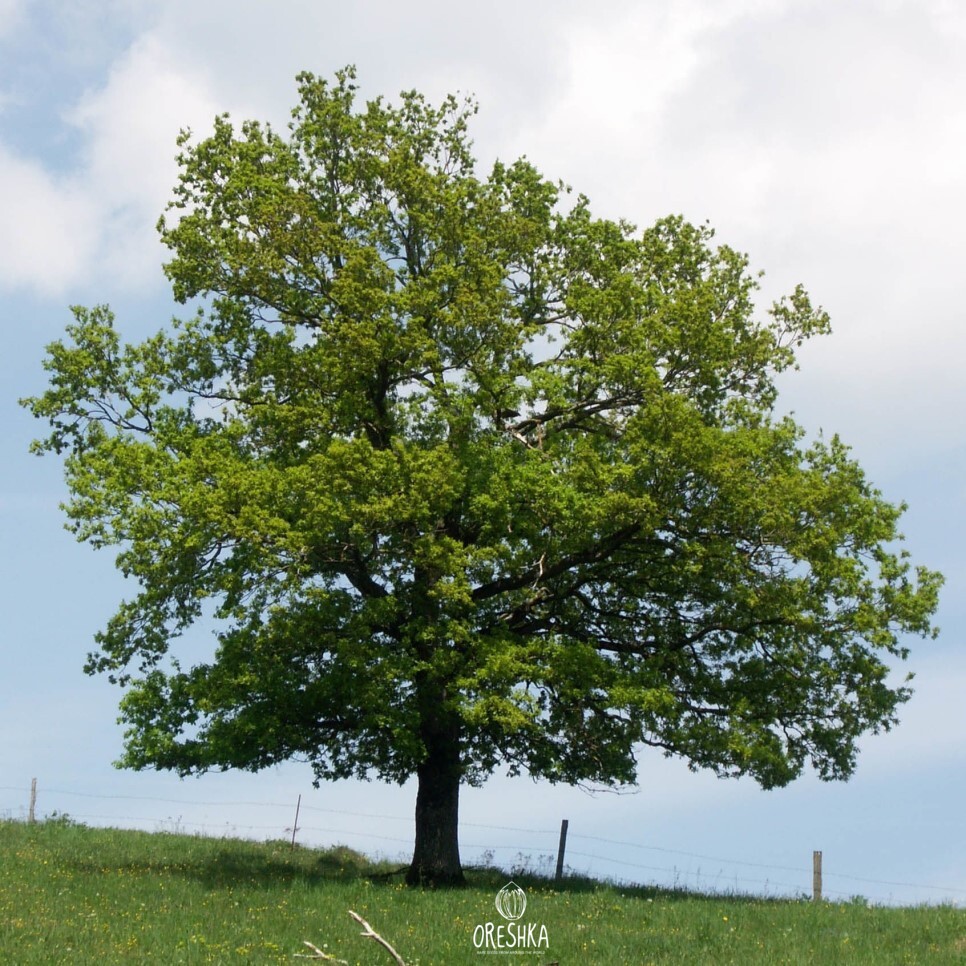
The most cold-hardy English oak available — acorns collected from Siberian provenance trees growing naturally at −40°C. Zone 3 field-tested. Quercus robur's growth stops in height at 100–200 years but continues adding girth for its entire life — which typically spans 300–400 years and can reach 2,000. A tree planted today will still be growing thicker in 500 years.
The tree
Quercus robur — The Tree That Never Stops Growing Thicker
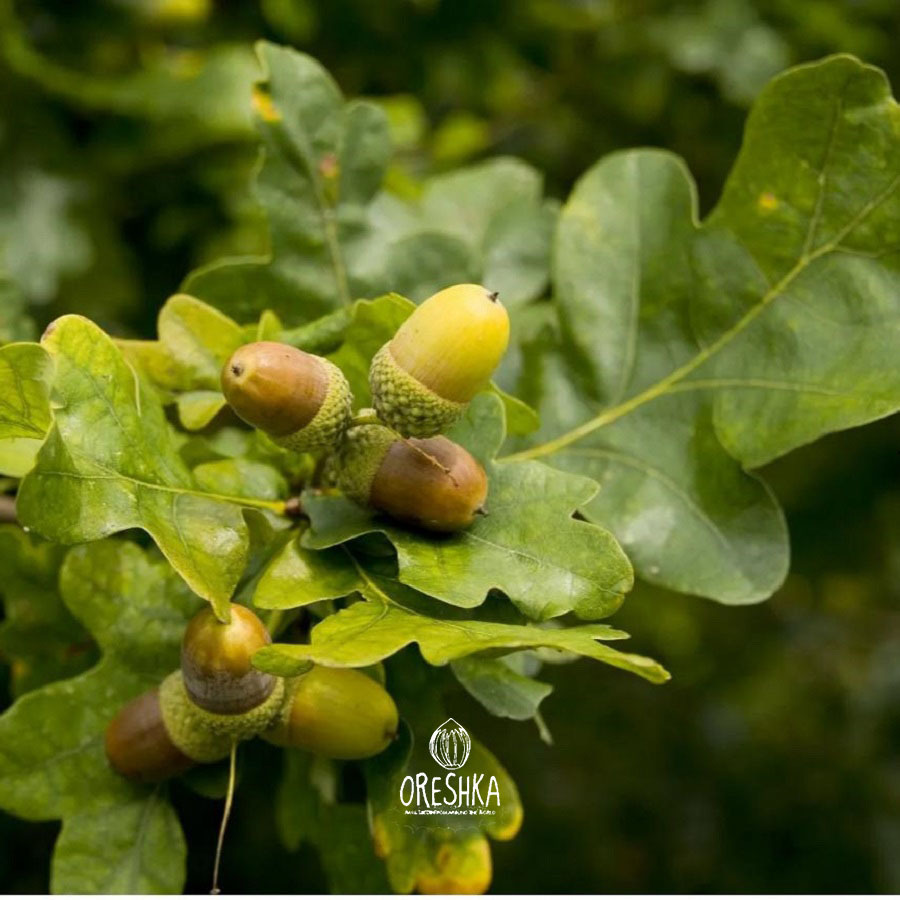
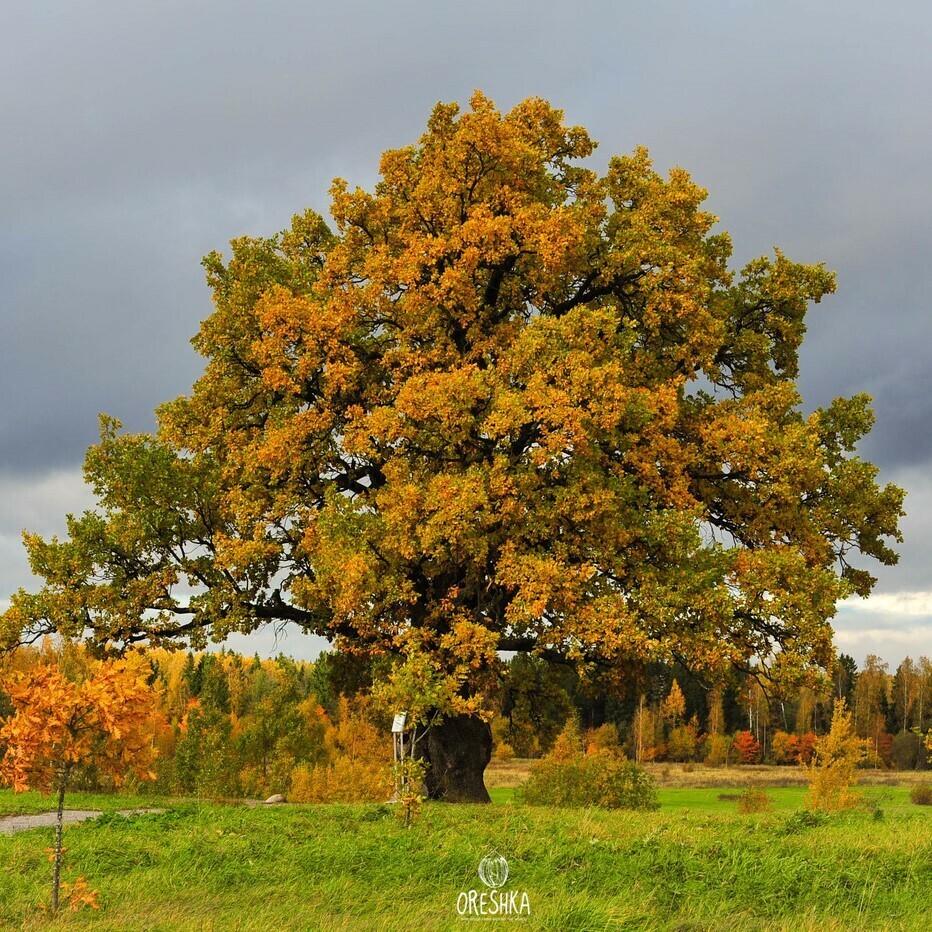
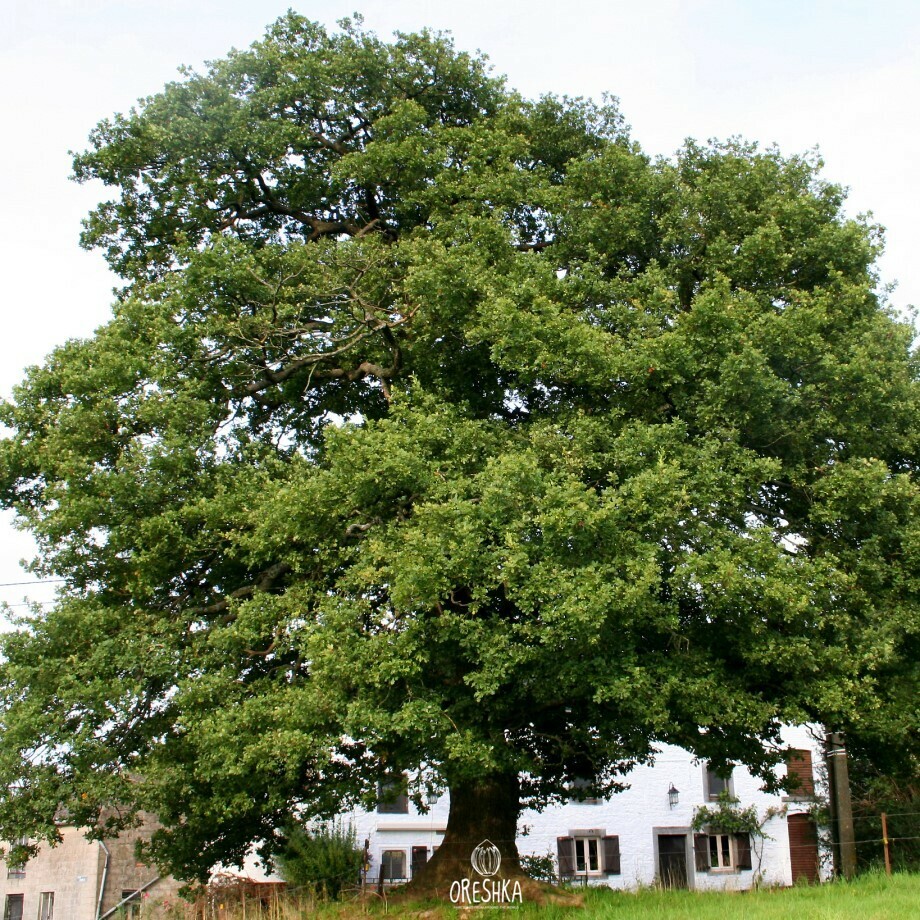
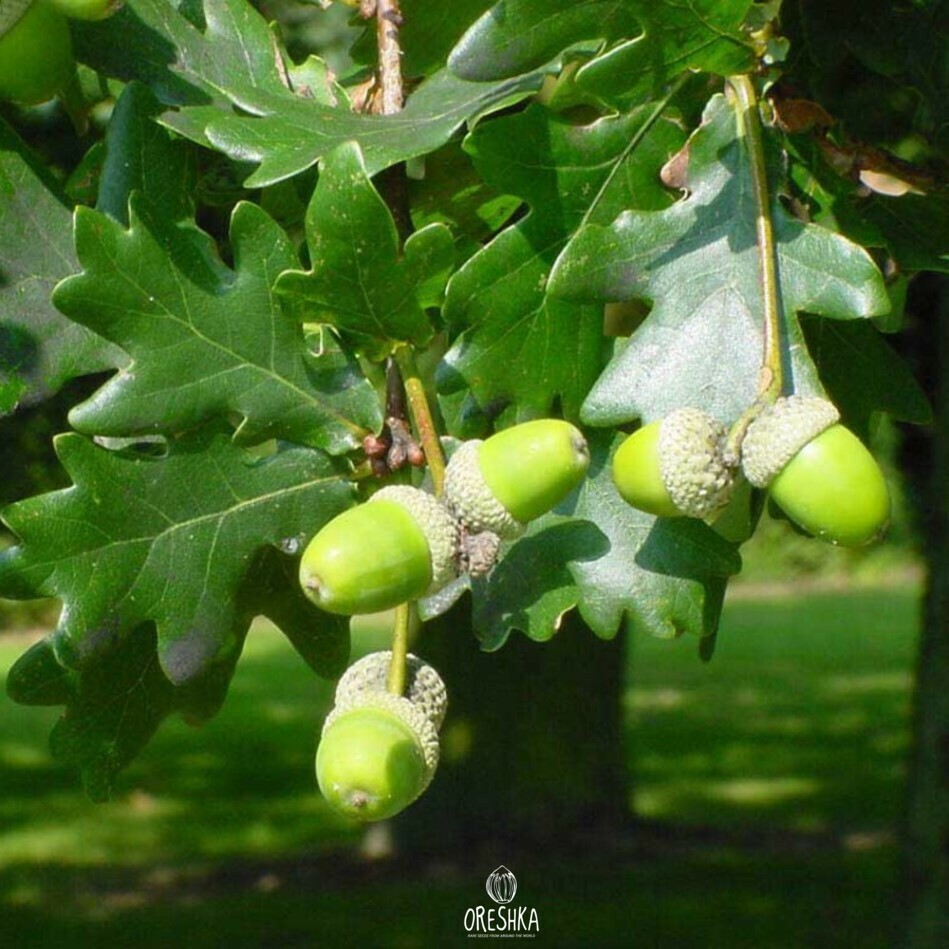
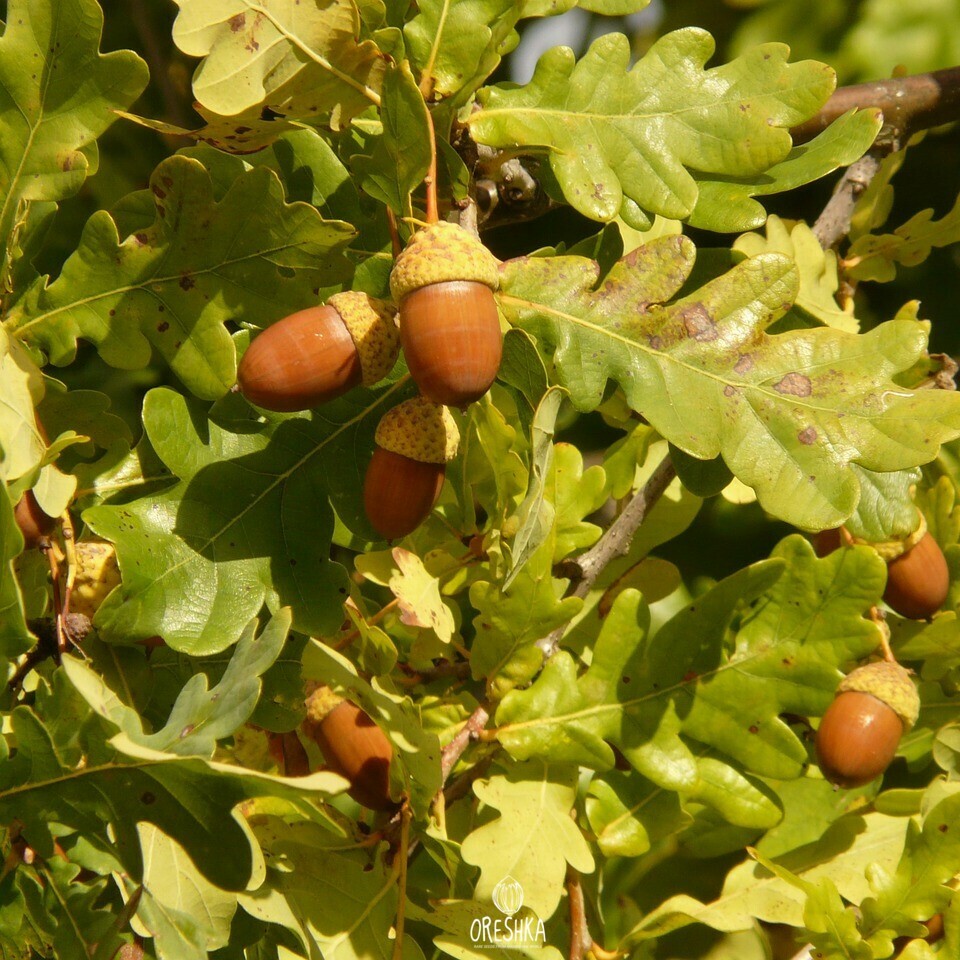
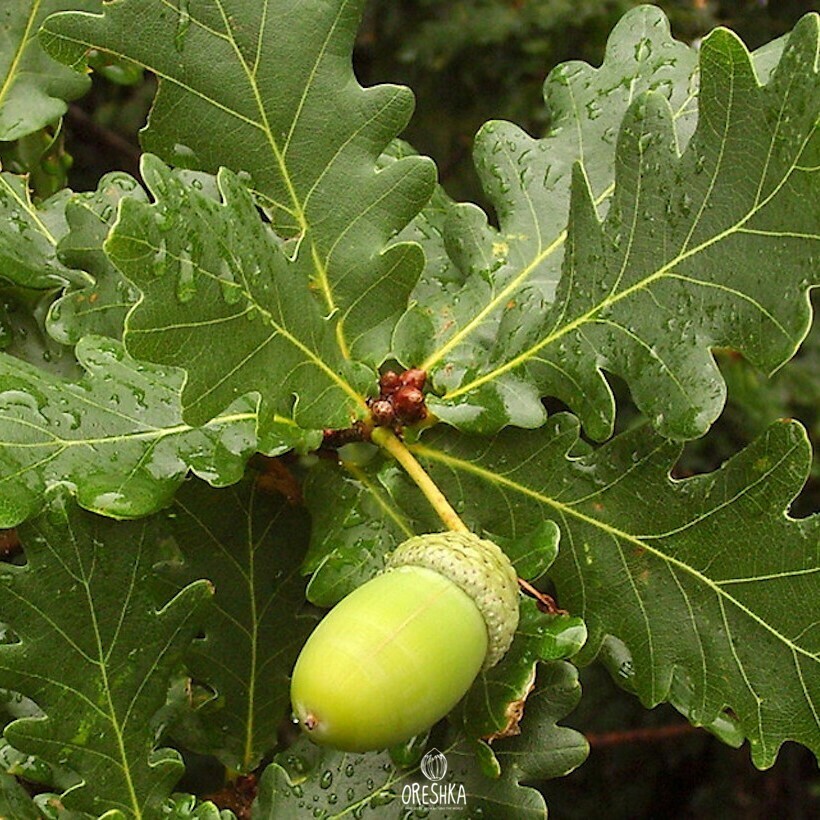
Quercus robur, the English oak (also: summer oak, common oak, pedunculate oak), is one of the defining trees of temperate Europe — a large, powerfully branched tree reaching 20–40 m with a massive trunk and dense tent-like or wide-pyramidal crown. In youth the trunk is irregular and geniculate; with age it straightens and becomes cylindrical, developing the deeply furrowed bark characteristic of old oaks. The leaves are oblong-obovate with 4–7 rounded pinnate lobes, dark green above and yellowish or green below, with strongly prominent lighter veins.
What distinguishes our stock: Siberian provenance. These acorns are collected from Quercus robur trees growing and reproducing naturally in Siberia, where winter temperatures regularly reach −40°C. Siberian-provenance specimens carry genetically selected cold-hardiness far exceeding the Zone 5–6 rating assigned to Western European oak stock — our acorns are rated Zone 3 (−40°C) reflecting this field-tested cold tolerance. For growers in northern Europe, Canada, and continental cold-climate regions, Siberian provenance is a critical practical distinction.
Fresh acorns — sow immediately on arrival. Deep containers (30 cm min) essential for taproot. Float-test viability. Protect from squirrels and mice. Zone 3 Siberian provenance. About our collection →

Quick facts
Quercus robur at a Glance
Growing guide
How to Grow English Oak from Acorn — Step by Step
- 01Float Test on Arrival — Sow Fresh ImmediatelyAcorns are recalcitrant seeds — they lose viability rapidly if dried. Float-test on arrival: 24 hours in water, discard floaters, keep sinkers. Sow viable (sinker) acorns within days — do not delay. Autumn receipt: sow directly outdoors. Spring receipt: sow immediately in deep containers at 15–18°C. The 10 acorns per pack allow for typical germination loss of 20–30%.
- 02Deep Containers — Minimum 30 cmQuercus robur's taproot is the primary early investment — it can reach 30–40 cm before significant above-ground growth appears. Standard seedling trays (8–10 cm deep) cause severe taproot distortion. Use deep root trainers (25–30 cm cells) or individual deep pots (minimum 30 cm). In-ground sowing in a dedicated nursery row avoids the container problem entirely and produces the best root development.
- 03Plant 5–8 cm Deep — Protect from SquirrelsSow 5–8 cm deep. Mark sowing positions clearly — squirrels and mice have an uncanny ability to find and excavate freshly sown acorns. Cover with a fine wire mesh until germination (typically spring following autumn sowing). Germination is confirmed by the first shoot emerging — a stout, red-tipped shoot that quickly produces the first distinctively lobed oak leaves.
- 04Year 1 — Patience: Root First, Shoot LaterFirst-year above-ground growth is modest — 20–40 cm is typical. This is normal: the primary investment is in taproot development that determines the tree's long-term performance and drought tolerance. Keep well-watered in the first year. Do not repot if growing in a container — move to final in-ground position in autumn of year 1 or spring of year 2, before the taproot fills and distorts in the container.
- 05Establish In-Ground — Full Sun, Loamy SoilQuercus robur prefers fertile, well-moistened, deep loamy or sandy loam soils but tolerates remarkably diverse conditions thanks to its deep, powerful, highly branched root system. It grows satisfactorily on fairly dry rocky soils, tolerates temporary waterlogging, and some soil salinity. Plant the final in-ground position in full sun — the deep root system will find water independently once established (typically year 3–5). Stake for the first 2–3 years against wind rock.
- 06Long-Term — Acorn Production from Year 40–60Quercus robur begins flowering and producing acorns between 40 and 60 years of age — flowering along with leaves in May, with acorns ripening in September–October on their characteristic long (3–8 cm) peduncle stalks. The tree continues growing in height until 100–200 years, then switches to radial growth that continues indefinitely. A properly sited in-ground Siberian-provenance oak planted today will be a significant mature specimen by the end of this century.
The single most common oak acorn failure is delayed sowing — receiving fresh acorns and storing them dry at room temperature for weeks or months before sowing. Quercus robur acorns have no protective dormancy mechanism against desiccation. Unlike apple or plum seeds, which can be dried, stratified, and stored for months, oak acorns begin losing viability within days at warm dry room temperature. The solution: treat acorns like a fresh vegetable, not a seed packet. On receipt, float-test immediately, then sow the sinkers the same day into deep containers in a cold frame or cool greenhouse, or directly into a prepared outdoor row if autumn temperatures have dropped below 10°C. Acorns sown the same week they are received routinely achieve 70–90% germination. Acorns stored in a warm dry room for a month typically achieve 10–30%.
Compare
Quercus robur vs. Quercus rubra vs. Quercus petraea
| Feature | Q. robur Siberian L1b · Oreshka Seeds | Quercus rubra Northern Red Oak | Quercus petraea Sessile Oak |
|---|---|---|---|
| Cold hardiness | Zone 3 · −40°C · Siberian | Zone 3 · −40°C | Zone 5 · −29°C |
| Acorn stalk | Long 3–8 cm peduncle | Very short stalk | No stalk · sessile |
| Growth rate | Moderate · 30–50 cm/yr | Fast · 60–90 cm/yr | Slow · 20–35 cm/yr |
| Lifespan | 300–400 yr · up to 2,000 | 200–400 yr | 500–1,000 yr |
| Soil tolerance | Wide · incl. temporary waterlog | Acid soil only | Thin rocky soils preferred |
| Trunk growth | Thickens forever · never stops | Thickens until ~200 yr | Thickens throughout life |
Avoid these
Common Mistakes When Growing Quercus robur from Acorn
Storing acorns dry at room temperature
The most common failure. Oak acorns are recalcitrant — they have no protective dormancy against desiccation. Storing dry at room temperature kills them within weeks. Sow immediately on receipt, or store briefly in a sealed plastic bag with damp vermiculite at 2–5°C (refrigerator) for a maximum of 2–3 months. Treat like a fresh vegetable, not a dried seed packet.
Sowing in shallow containers
Standard 9–10 cm seedling pots cause severe taproot distortion — a permanently limiting factor on subsequent growth. Use deep root trainers (25–30 cm) or individual deep pots (30 cm+). Better still: sow directly in-ground in a nursery row or final position, avoiding container root restriction entirely. Taproot quality in year 1 determines tree performance for decades.
Not protecting from squirrels
Squirrels and mice are extremely effective at locating freshly sown acorns. Cover sown acorns with fine wire mesh until germination. Indoor or cold frame germination avoids this problem entirely. A simple wire cover over an outdoor nursery row is a 5-minute task that prevents total crop loss from wildlife.
Planting in the permanent position too late
Container-grown oaks must be moved to their permanent in-ground position before the taproot fills and distorts the container — by the end of year 1 at the latest, spring of year 2 maximum. Container-grown oaks left too long develop a deformed, circling root system that permanently limits uptake and stability. Move while the root system is still young and adaptable.
FAQ
Frequently Asked Questions
What makes Siberian-provenance Quercus robur different?
How long does English oak live — can it reach 2,000 years?
Why does height growth stop but girth continue?
What is the 'pedunculate' oak — long acorn stalks?
Do acorns need cold stratification?
How deep should acorns be planted?
Siberian Oak — Zone 3 Cold Hardiness, Lives 300–2,000 Years, Trunk Grows Forever
10 fresh acorns · Siberian provenance · −40°C field-tested · Pedunculate oak · Ships worldwide in 2–3 days
Buy Acorns — €6.25 → Sale −40% · SKU L1b · 10 PCS · Quercus robur Siberian · Oreshka Seeds