Herb Seeds Medicinal · Culinary · Wild & Meadow
264 herb seed products from Russia, Siberia and Central Asia — pharmacopoeial medicinal species, kitchen herbs and rare meadow plants in one collection.
Herbs are among the oldest cultivated plants on earth — used for food, medicine and ritual across every human culture. The category spans annual kitchen herbs that germinate in a week, cold-hardy perennial medicinals that take years to mature, and wild meadow species that have never entered commercial cultivation. What they share is a deep relationship with the landscapes they come from: the flavour of Siberian cilantro, the potency of Ural-harvested St. John's Wort, the resilience of meadow grasses that survive at −40°C.
The Oreshka collection includes pharmacopoeial medicinal species rarely sold outside Russia: Aconitum napellus (Wolfsbane), Hyoscyamus niger (Henbane), Conium maculatum (Hemlock) and Datura stramonium — all legal to grow in most jurisdictions and used in homeopathy, ethnobotany and botanical research. Alongside these, the culinary range covers 12 lettuce cultivars, 3 basil varieties including Krishna Tulasi (Ocimum sanctum), Thai basil and Lemon basil, plus heritage grains: black chia, three quinoa colours, canihua, jasmine rice varieties and wild black rice (Zizania aquatica).
The collection is used by medicinal herb growers in Germany and Scandinavia, kitchen gardeners across the UK and Northern Europe, botanical researchers, and B2B buyers sourcing bulk seed lots of 1,000–10,000 units. Most culinary annuals ship in packs of 30–100 seeds; medicinal and wild species in packs of 10–500 depending on rarity.
Medicinal herb seeds are harvested fresh each season from verified parent plants in the Ural region, Russia. Culinary and wild species are germination-tested before listing — standard test temperature 20°C, minimum 70% germination rate per batch. Seeds ship worldwide in sealed moisture-proof packets within 2–3 business days. About our collection →
Shop by sub-collection
Each sub-collection has its own page with variety listings, growing tips and expert notes.
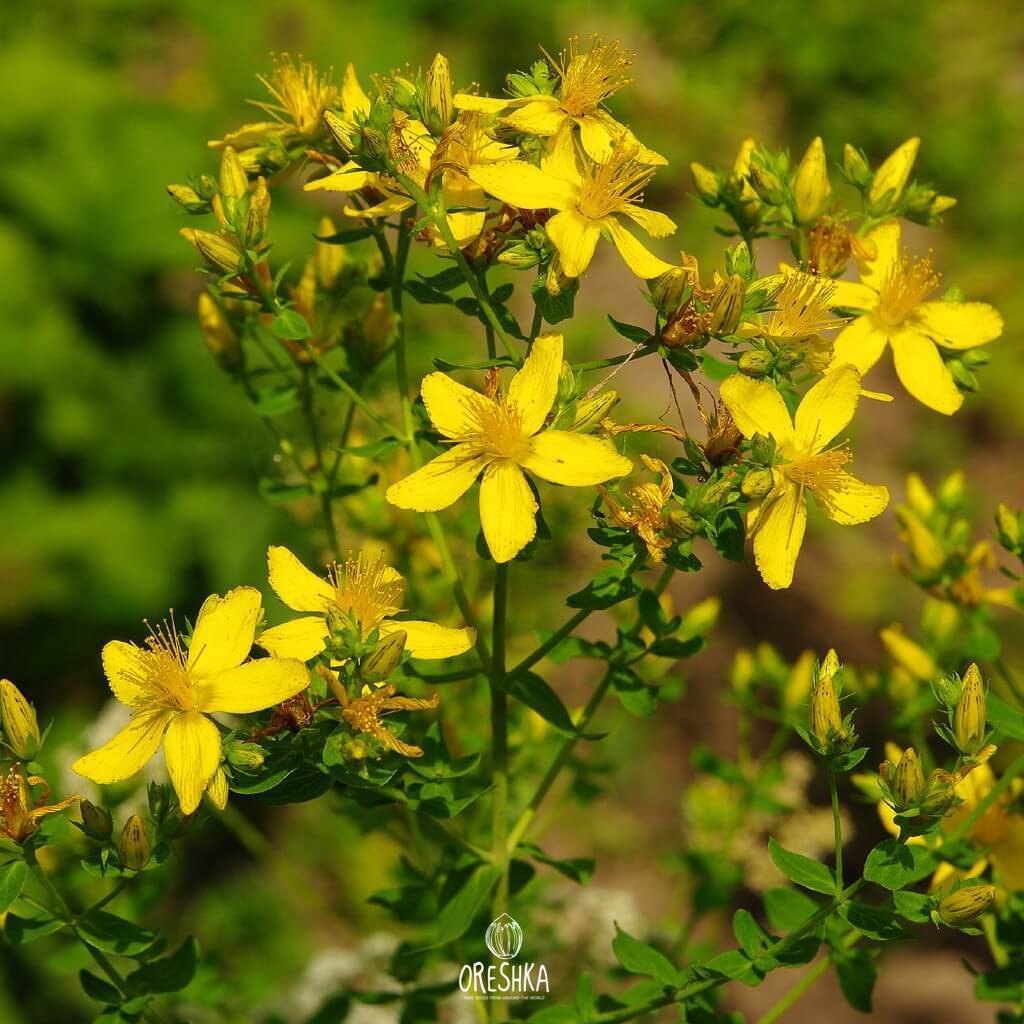
Medicinal Herbs
Pharmacopoeial and folk-medicine species — echinacea, ginseng, aconite, ashwagandha, lavender and other medicinal herbs.
94 varieties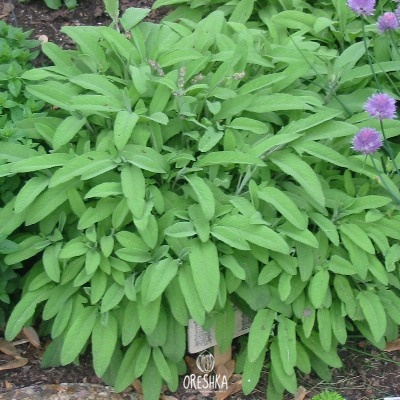
Culinary Herbs
Kitchen herbs, salad greens, heritage grains and edible flowers — sage, dill, 12 lettuce cultivars, three quinoa colours and wild black rice.
92 varieties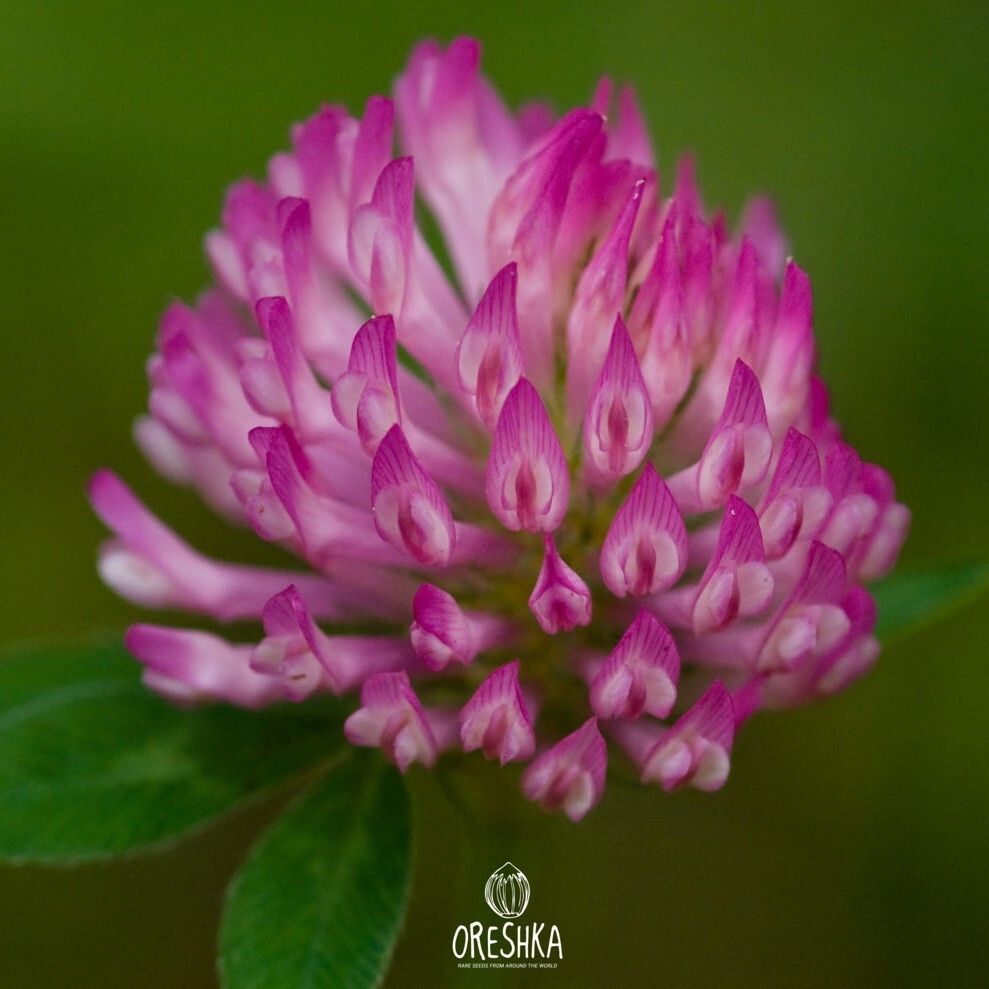
Wild & Meadow Herbs
Native meadow species, wild grasses and rare Ural wildflowers — Lilium martagon, red clover, quaking grass, meadowsweet and other meadow plants.
45 varietiesSpecies growing guides
All guides → How to Grow St. John's Wort from Seed
Hypericum perforatum — 1000+ seeds per pack, hardy to Zone 4.
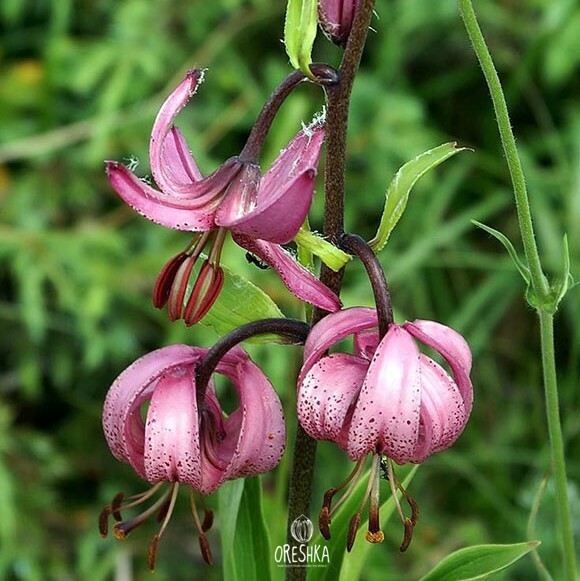
How to Grow Wild Lily Martagon from Seed
Rare Ural mountain lily — cold stratification and multi-year guide.
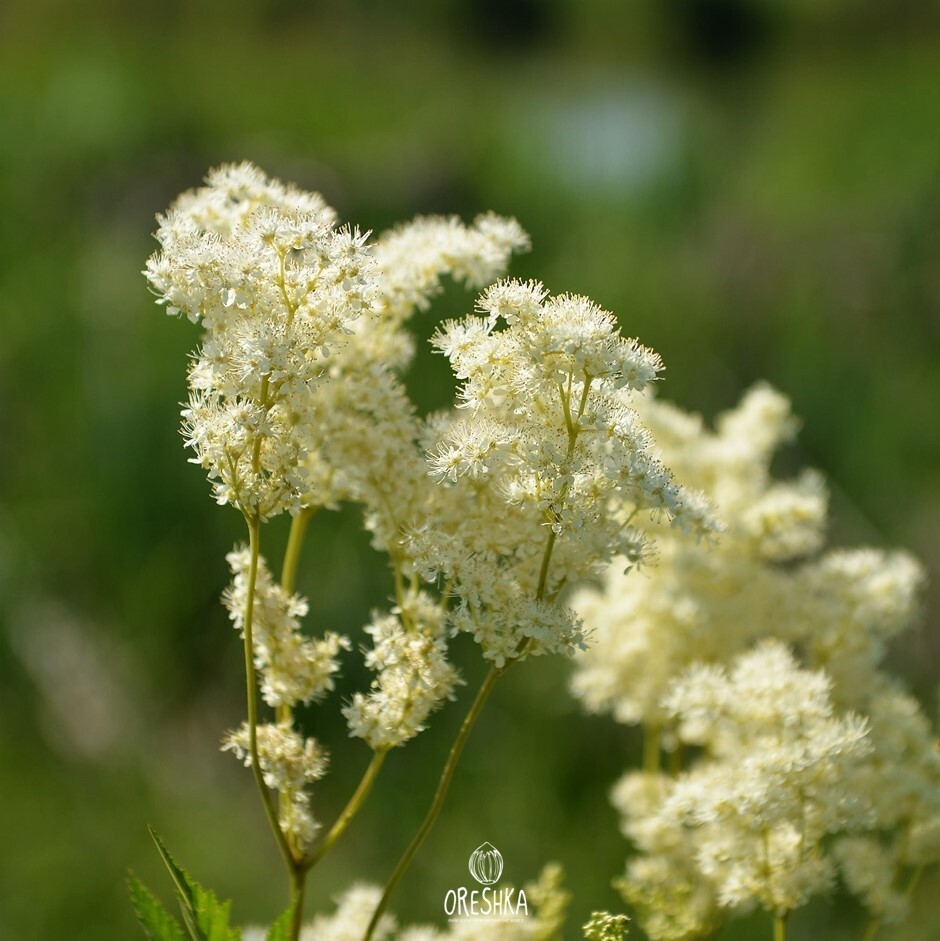
How to Grow Meadowsweet from Seed
Filipendula ulmaria — native to Ural wetlands, hardy to Zone 3.
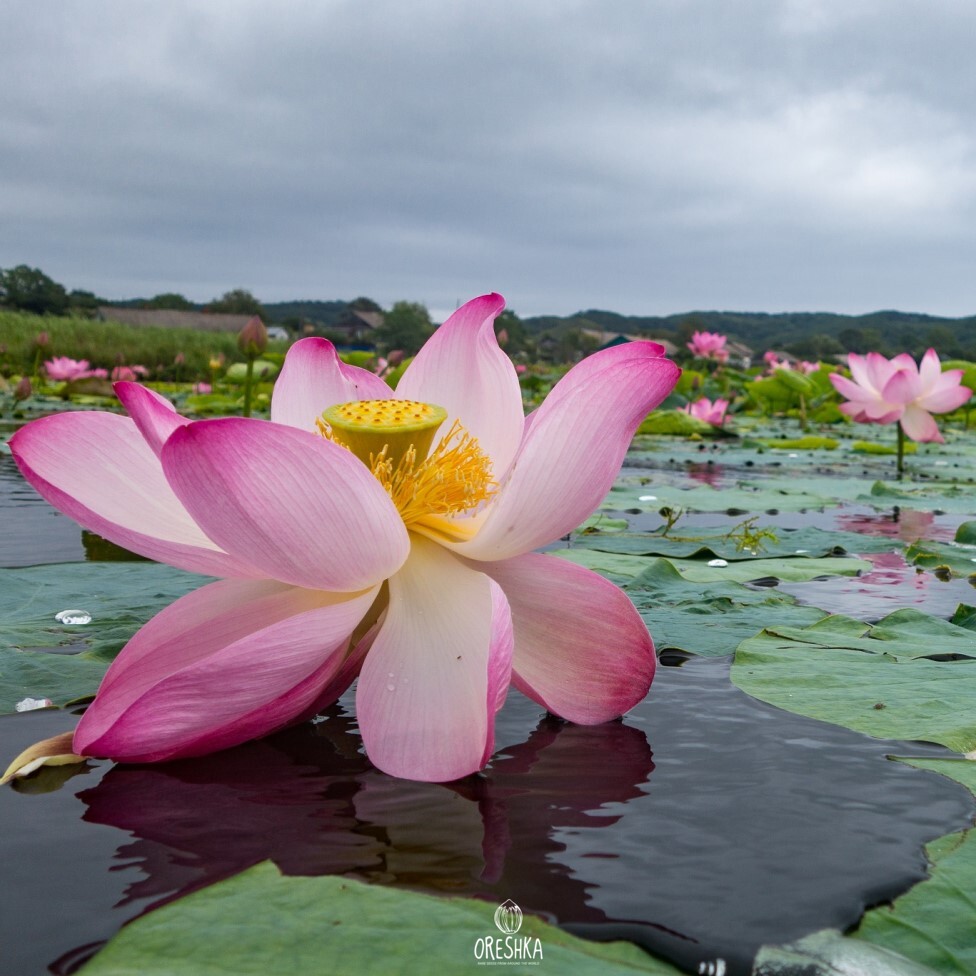
How to Grow Komarov Lotus from Seed
World's rarest cold-hardy lotus — step-by-step germination guide.
Frequently asked questions
What types of herb seeds does Oreshka Seeds offer?
The Herbs catalog contains 264 seed products. Three curated sub-collections are Medicinal Herbs (94 varieties including Panax ginseng, Echinacea purpurea, Aconitum napellus and Ashwagandha), Culinary Herbs (92 varieties including sage, lavender, dill, cilantro and 12 lettuce cultivars), and Wild & Meadow Herbs (45 seed products including Lilium martagon, Trifolium pratense and native meadow grasses). Each sub-collection has its own page with growing guides and variety comparisons.
Which herb is easiest to grow from seed for beginners?
For culinary herbs, dill (Anethum graveolens) germinates in 7–14 days at 18–22°C and needs no stratification. For medicinal herbs, Echinacea purpurea is reliable — cold-stratify seeds at 4°C for 4 weeks, then germinate at 20°C; expect sprouts in 10–21 days. Wild clover (Trifolium pratense) from the meadow collection establishes in 5–7 days without any pre-treatment.
Can I grow medicinal and culinary herbs in Zone 5, UK or Northern Europe?
Most culinary herbs in our collection are annuals or half-hardies that perform well in Zone 5 and UK conditions — sage, parsley, dill and basil all thrive with a standard growing season. Medicinal perennials such as Hypericum perforatum (St. John's Wort), Echinacea purpurea and Leonurus cardiaca (Motherwort) are hardy to Zone 4 (−34°C) and naturalise readily in northern European gardens. Wild meadow species like Trifolium pratense and Filipendula ulmaria are native to those climates and grow without intervention.
What is the difference between culinary sage and medicinal sage?
Salvia officinalis (culinary sage) is grown for its aromatic leaves used in cooking; it reaches 60–80 cm and is hardy to Zone 6. Salvia sclarea (clary sage) and Salvia verticillata are medicinal species with different alkaloid profiles — clary sage is used in aromatherapy and folk medicine, while Salvia verticillata attracts pollinators and has traditional uses in Eastern European herbalism. Both are available in our medicinal collection.
Can herbs be grown permanently in pots or containers?
Yes. Culinary herbs such as basil, parsley, sage and dill grow well in pots of 2–5 litres. Medicinal perennials including Echinacea, lavender and Hypericum do best in containers of at least 10 litres with good drainage. Wild meadow species are generally better suited to open ground — Filipendula ulmaria and Lilium martagon need at least 15–20 cm of root depth and do not persist long-term in shallow pots.
How long does it take for herb seeds to germinate and reach harvest?
Fast culinary herbs — dill, cilantro, basil — germinate in 7–14 days and are ready to harvest in 6–8 weeks from sowing. Slower culinary herbs like fennel and lovage take 14–21 days to sprout and need a full season before first harvest. Medicinal perennials such as Echinacea and Panax ginseng require cold stratification (4–8 weeks at 4°C) before germination; ginseng may take 18 months to produce a usable root. Wild meadow species germinate in 10–30 days depending on species.
Why buy herb seeds from Oreshka Seeds rather than a local nursery?
Oreshka Seeds lists 264 herb seed products, including pharmacopoeial medicinal species (Panax ginseng, Ashwagandha, Aconitum napellus) and Siberian wild herbs rarely available outside specialist collections. Seeds are harvested fresh each season from verified parent plants and ship worldwide in sealed moisture-proof packets within 2–3 business days. Local nurseries typically stock 15–30 common culinary herbs; rare medicinal and wild meadow species are not commercially grown in most countries.
Explore all Herb Seeds
Medicinal · Culinary · Wild & Meadow · Worldwide shipping
oreshka-seeds.com · Sealed packets · 2–3 day dispatch · Fresh harvest