

How to Grow Hazelnut Ladyfingers from Seed
Corylus maxima · Bademi · Akaki Tsereteli · Georgian Commercial Variety · 10 Fresh Nuts
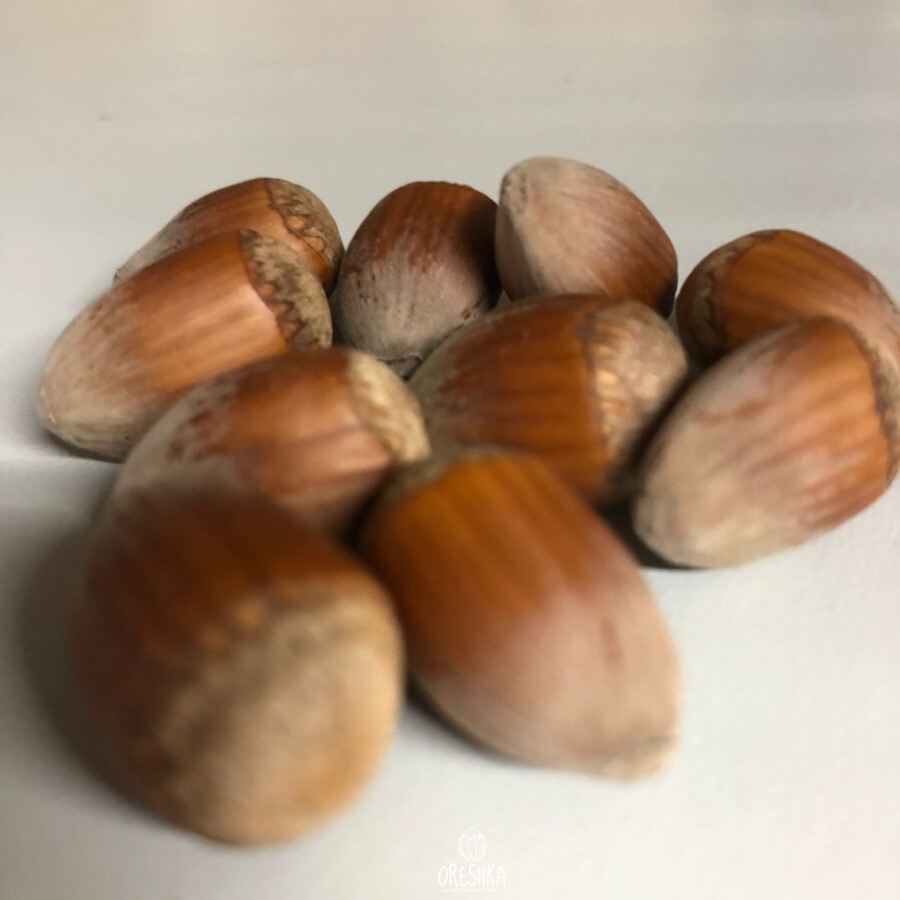
The premium Georgian hazelnut: oblong-flattened nuts with a characteristic groove, 0.5–0.7 mm thin shell, 48.8–52% kernel yield — far above standard varieties. Fat content 67.5–68% (olive-oil fat profile). Ripens early July, 4–8 weeks ahead of standard hazel. Low suckering habit allows mechanized harvesting. Named 'Ladyfingers' for the finger-like elongated shape.
The variety
What is Hazelnut Ladyfingers — Georgia's Premium Commercial Filbert
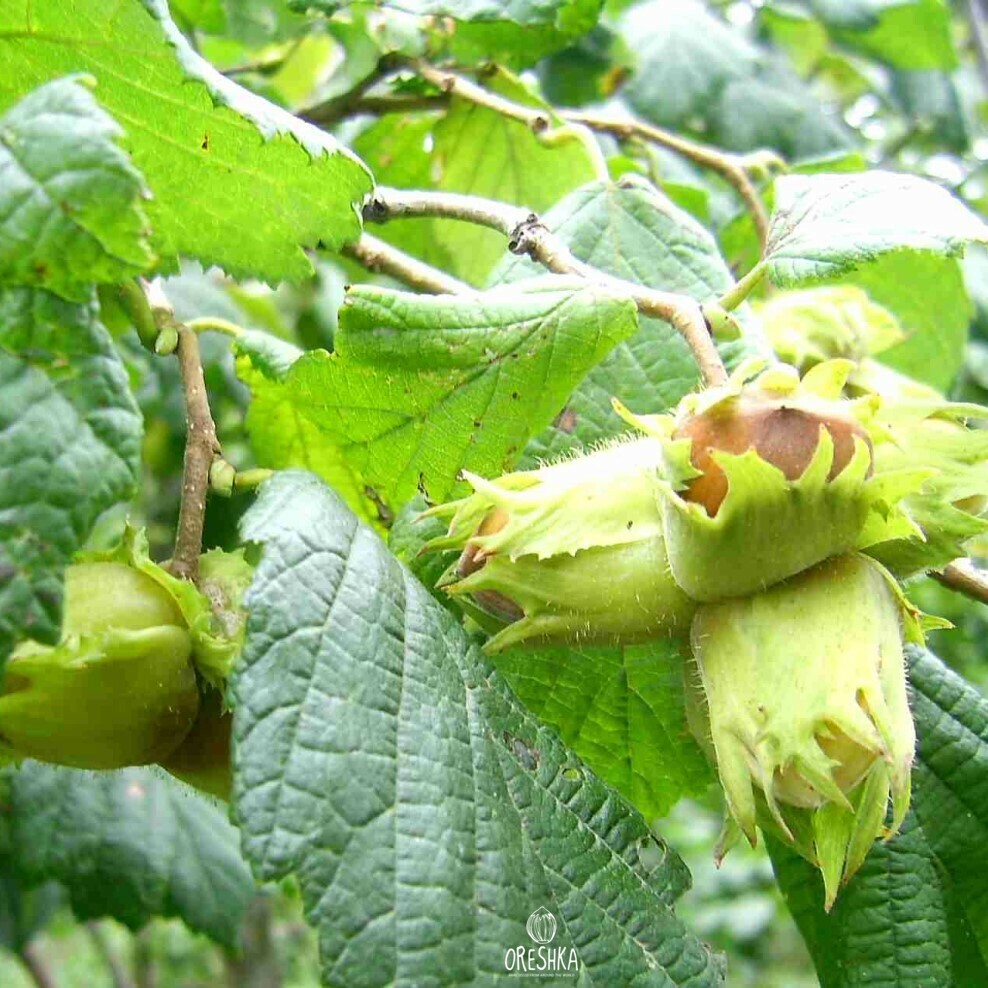
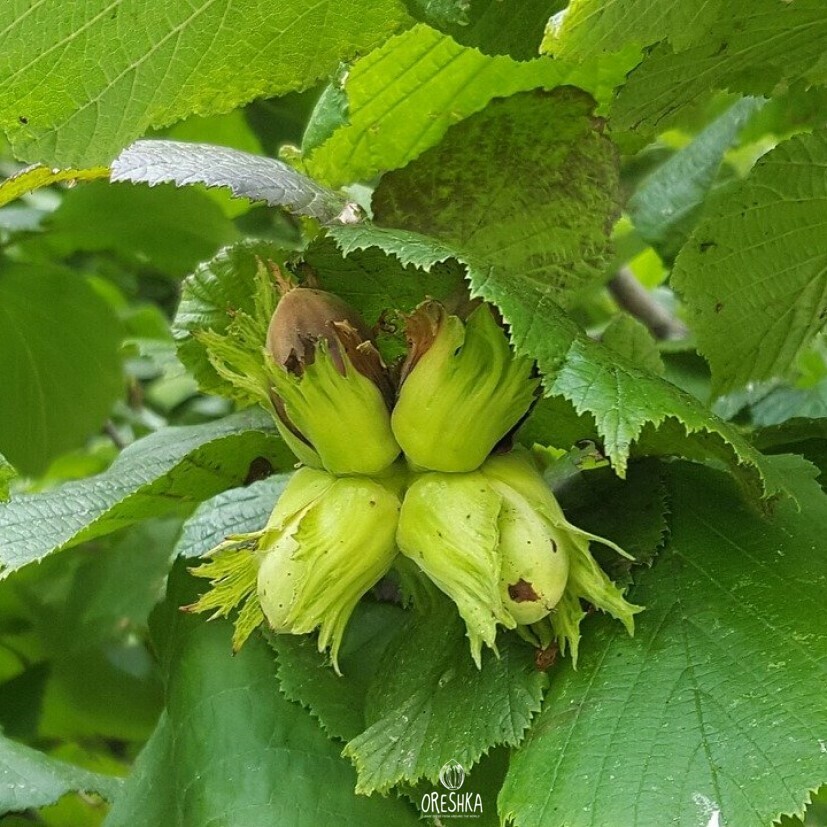
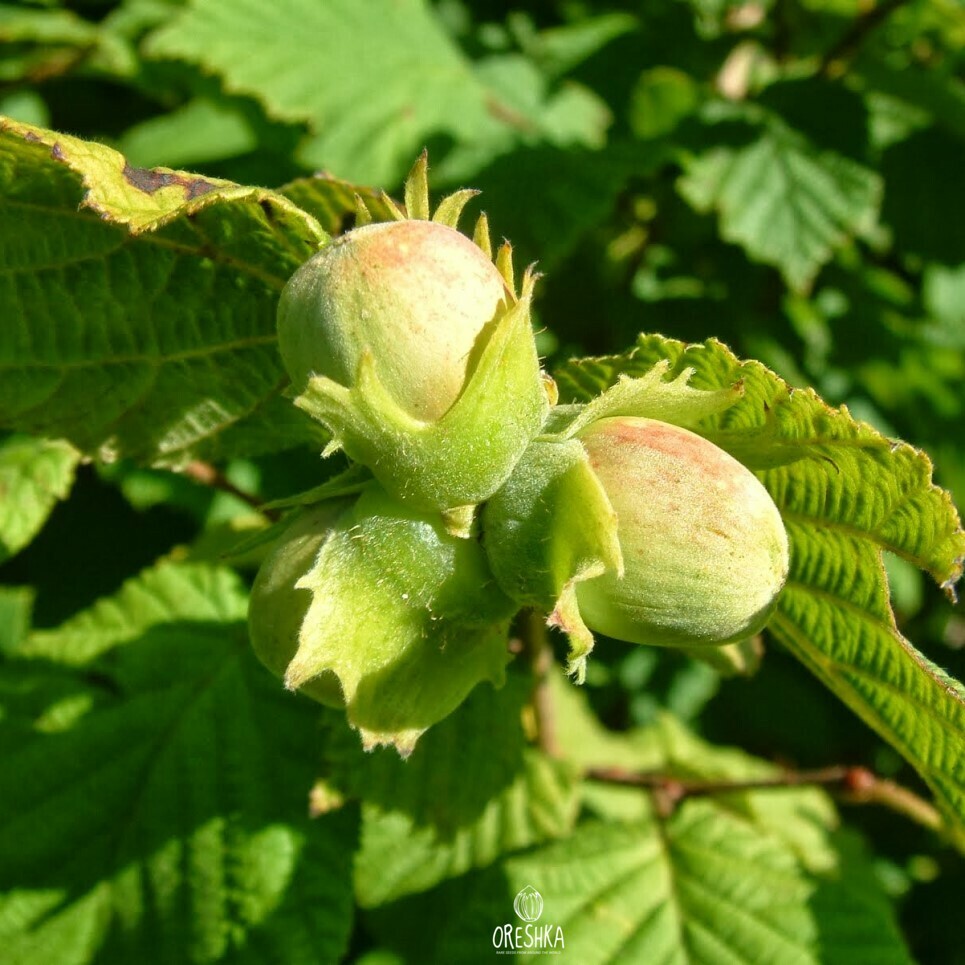
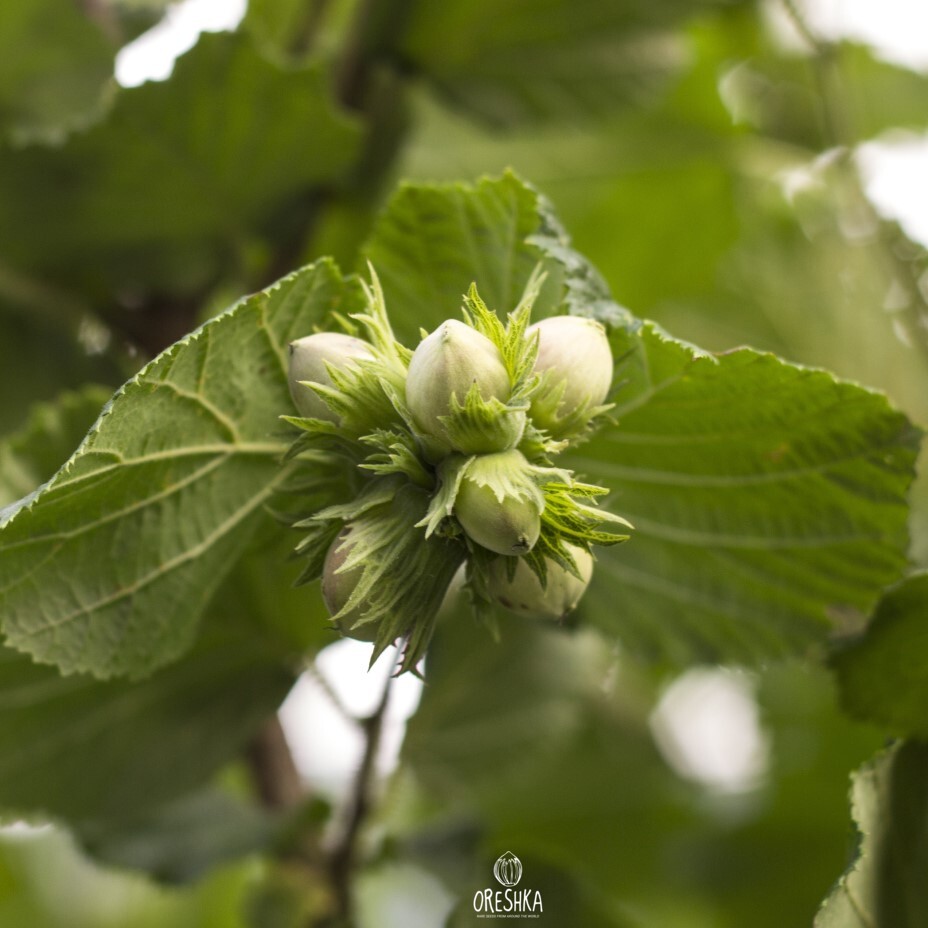
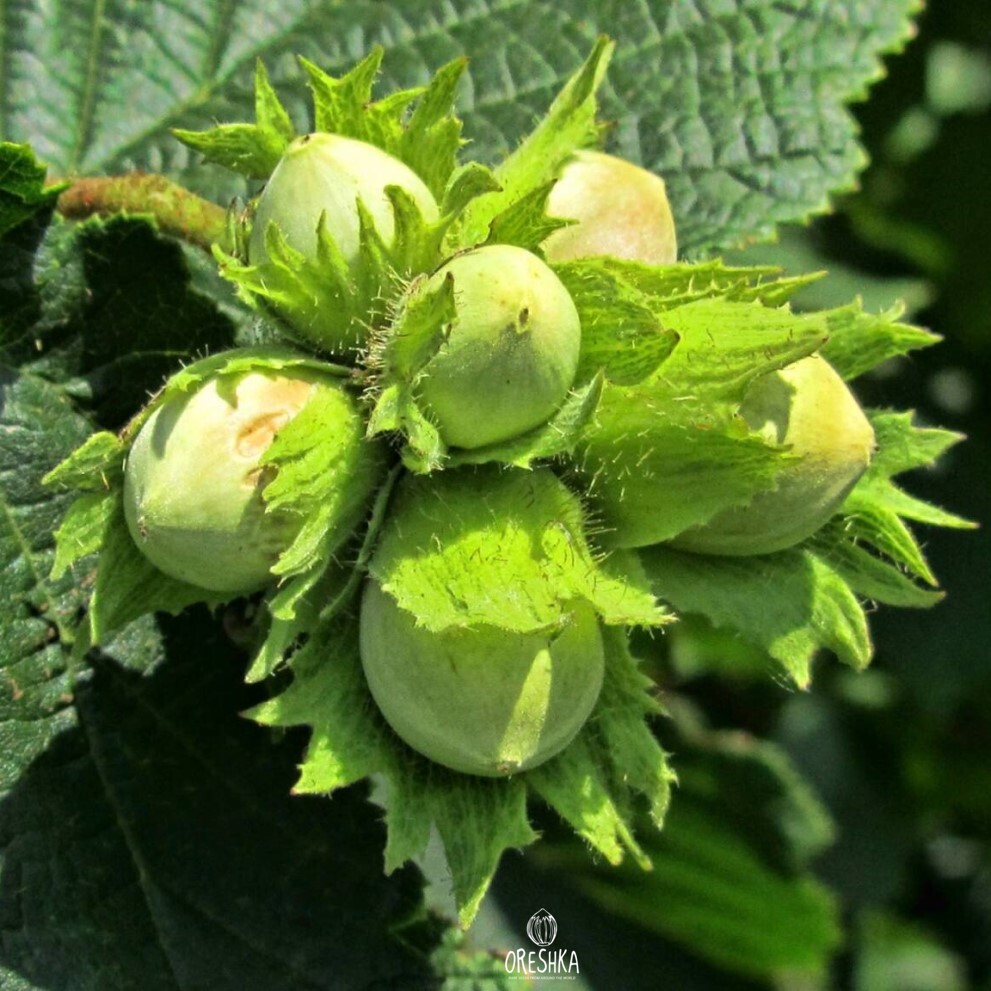
Hazelnut Ladyfingers (Corylus maxima, Georgian names: Bademi, Akaki Tsereteli) is a Georgian commercial hazelnut variety belonging to Corylus maxima — the Turkish or Giant Hazel — producing large, oblong-flattened nuts with a distinctive groove running from the base to the apex. The name 'Ladyfingers' describes the finger-like elongated shape of the nut. The husk (wrapper) is one and a half times longer than the nut itself, tubular, closely adjacent to the fruit, and light green — a characteristic that makes nut separation easy and supports mechanized harvesting.
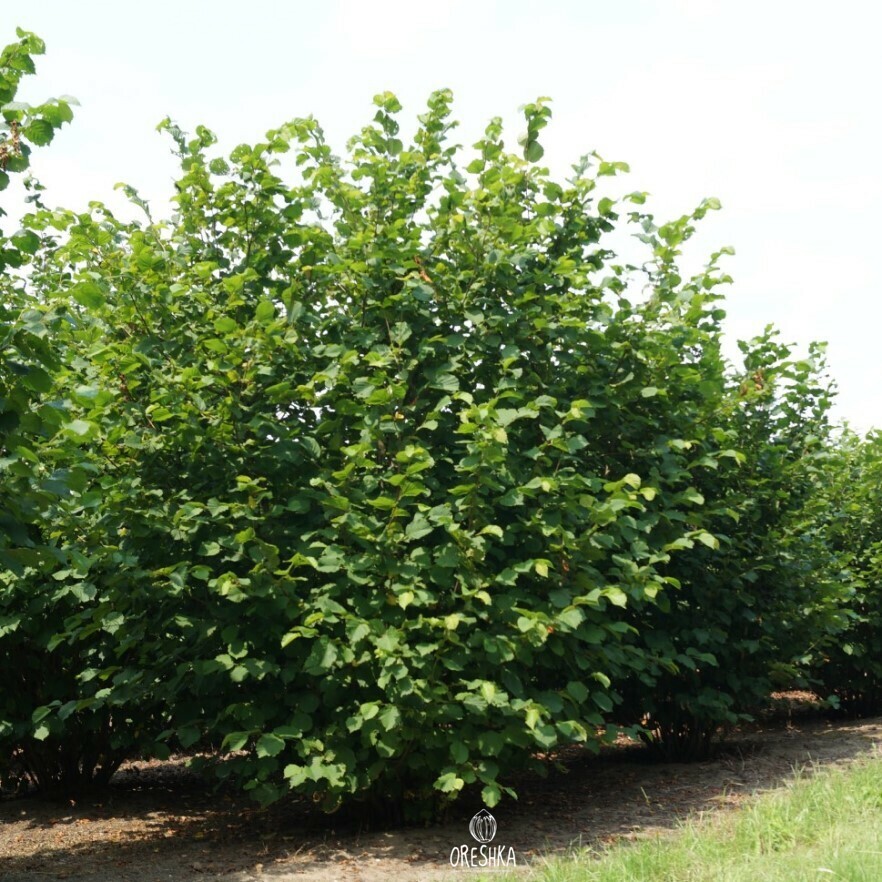
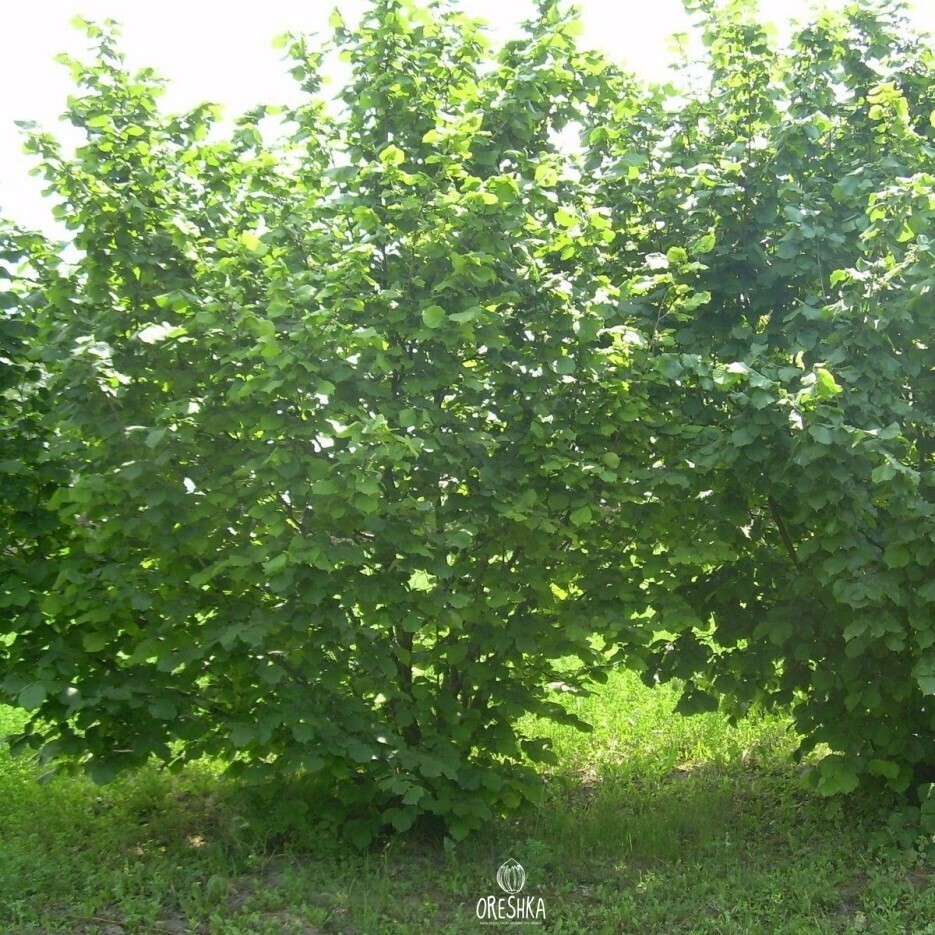
The shrub is medium-sized with an erect, sparsely branched crown and very low root-shoot (sucker) production — a critical commercial trait that reduces management cost and enables mechanized harvesting. Kernel yield of 48.8–52% and fat content of 67.5–68% place Ladyfingers among the highest-quality commercial hazelnut varieties by measurable nutritional and processing metrics. Early July ripening brings the harvest 4–8 weeks ahead of standard varieties.
10 fresh nuts. Cold stratification 60–120 days. High moisture demands during nut fill (May–June). Low suckering — minimum maintenance. Early July harvest. About our collection →
Quick facts
Hazelnut Ladyfingers at a Glance
Growing guide
How to Grow Hazelnut Ladyfingers from Seed — Step by Step
- 01Cold Stratification — 60 to 120 Days at 2–5°CMix fresh nuts in damp sand or vermiculite in a sealed bag, refrigerate at 2–5°C for 60–120 days. Check every 3–4 weeks — sow immediately when small root tips appear. Handle the thin 0.5–0.7 mm shells carefully during stratification. Stratify all 10 nuts from the pack simultaneously for one efficient refrigeration cycle.
- 02Sow 3–5 cm Deep — Deep Pots (25 cm+)Sow stratified nuts with visible root tip 3–5 cm deep in individual deep pots (minimum 25 cm) or directly in-ground. Keep at 15–20°C. Germination in 2–4 weeks. Corylus germinates with the nut remaining underground — a shoot emerges but the cotyledons stay below the surface (hypogeal germination). First true leaves appear 2–3 weeks after shoot emergence.
- 03Train to 3–5 Main Stems — Remove Suckers PromptlyIn years 1–3, select 3–5 strong upright stems from the base and remove all others. Although Ladyfingers has low suckering tendency compared to common hazel, any root shoots that appear should be removed at ground level promptly — they redirect energy from nut production. The erect, sparse crown habit of this variety makes it naturally easier to manage than vigorous multi-stemmed common hazels.
- 04Water Generously — High Moisture Demand in May–JuneThe variety is characterised by high moisture demands — this is most critical during nut development in May–June when kernel fill occurs. In dry periods, water deeply 2–3 times per week. Mulch 10 cm deep around the root zone to retain moisture. Insufficient water during kernel fill results in shrivelled kernels and reduced yield — the 52% kernel yield characteristic requires adequate moisture during this window specifically.
- 05Spring Feed — Balanced Then Potassium-RichApply balanced NPK fertiliser in early spring as growth begins. In June, switch to a potassium-rich feed (high-K tomato feed is suitable) to support shell development and kernel fill. Annual pruning in late winter: remove crossing and inward branches, maintain open crown structure to maximise light penetration and air circulation. Corylus maxima flowers in late winter (January–February) on bare wood — the distinctive yellow male catkins appear before leaves.
- 06Harvest Early July — Thin-Shell Nuts, 68% FatThe 'good separability of husks from the pericarp' noted in the variety description means nuts separate cleanly from the wrapper at ripeness — an advantage for both hand and mechanical harvesting. Harvest when the husk begins to brown and nuts fall easily with gentle shaking of branches. Dry harvested nuts in a single layer in a warm, airy place for 2–3 weeks. The thin shell (0.5–0.7 mm) cracks easily without a nutcracker — light pressure between fingers or a gentle tap is sufficient.
The 67.5–68% fat content and thin shell of Ladyfingers make it exceptional for dry-roasting — the thin shell enables even heat penetration and the high fat content produces a rich, deep roast with minimal risk of the uneven roasting (dark outside, undercooked inside) common with thick-shelled varieties. Roast in-shell at 160°C for 12–15 minutes, shaking the tray every 5 minutes. The thin shell peels almost entirely during roasting with gentle rubbing in a kitchen towel — significantly easier to skin than standard hazelnuts. For hazelnut praline or paste: roast, skin, and process warm — the high fat content of Ladyfingers produces a smoother, more cohesive paste with shorter blending time than lower-fat varieties.
Compare
Ladyfingers vs. Tonda Gentile vs. Barcelona (Common Hazel)
| Feature | Ladyfingers · Corylus maxima O19b · Oreshka Seeds | Tonda Gentile Italian round hazelnut | Barcelona Standard commercial hazel |
|---|---|---|---|
| Nut shape | Oblong · elongated · grooved | Round · spherical | Round · slightly flattened |
| Kernel yield | 48.8–52% · highest tier | 45–50% | 38–45% |
| Shell thickness | 0.5–0.7 mm · very thin | 1.0–1.5 mm · medium | 1.5–2 mm · standard |
| Fat content | 67.5–68% · premium | 65–67% | 60–65% |
| Harvest timing | Early July · 4–8 wks ahead | August–September | August–September |
| Suckering | Low · mechanical harvest OK | Moderate | High · labour-intensive |
Avoid these
Common Mistakes When Growing Ladyfingers Hazelnut
Insufficient water during May–June kernel fill
The most impactful cultural mistake. The variety's high moisture demand is not uniform through the year — it peaks specifically during nut development in May–June. Dry conditions during this window cause kernel shrinkage and significantly reduce kernel yield below the 52% potential. Plan irrigation for this period; the rest of the year is less critical.
Skipping cold stratification
Corylus maxima nuts have deep physiological dormancy. Without 60–120 days at 2–5°C in damp conditions, germination is erratic, delayed by many months, or absent. The thin shell of Ladyfingers does not exempt it from this requirement — stratification breaks dormancy in the embryo, not the shell.
Allowing suckers to grow unchecked
Although Ladyfingers has lower suckering tendency than wild hazel, any root shoots that appear should be removed promptly at ground level. Allowing suckers to develop into full stems divides the plant's energy, reduces nut production on the selected main stems, and eventually turns a managed productive shrub into a thicket.
Harvesting too early
Hazelnut Ladyfingers ripens early July, but harvesting before the husks begin to show brown at the tips results in underdeveloped kernels that have not reached maximum fat and sugar content. Wait for the first nuts to begin falling naturally and for the husk to show browning before harvesting the full crop. Patience of even 5–7 days at harvest time significantly improves kernel quality.
FAQ
Frequently Asked Questions
What is Hazelnut Ladyfingers — how different from common hazel?
What does 48.8–52% kernel yield mean in practice?
Why does it ripen in early July?
What is the fat content and why does it matter?
Can it be grown in northern Europe?
Why does low suckering matter?
Georgia's Premium Hazelnut — 52% Kernel, 68% Fat, Early July, Thin Shell
10 fresh nuts · Corylus maxima · Oblong grooved shape · Low suckering · Ships worldwide
Buy Seeds — €7.50 → Sale −40% · SKU O19b · 10 PCS · Corylus maxima Ladyfingers · Oreshka Seeds