

How to Grow Japanese Quince from Seed
Chaenomeles japonica — Maule's Quince
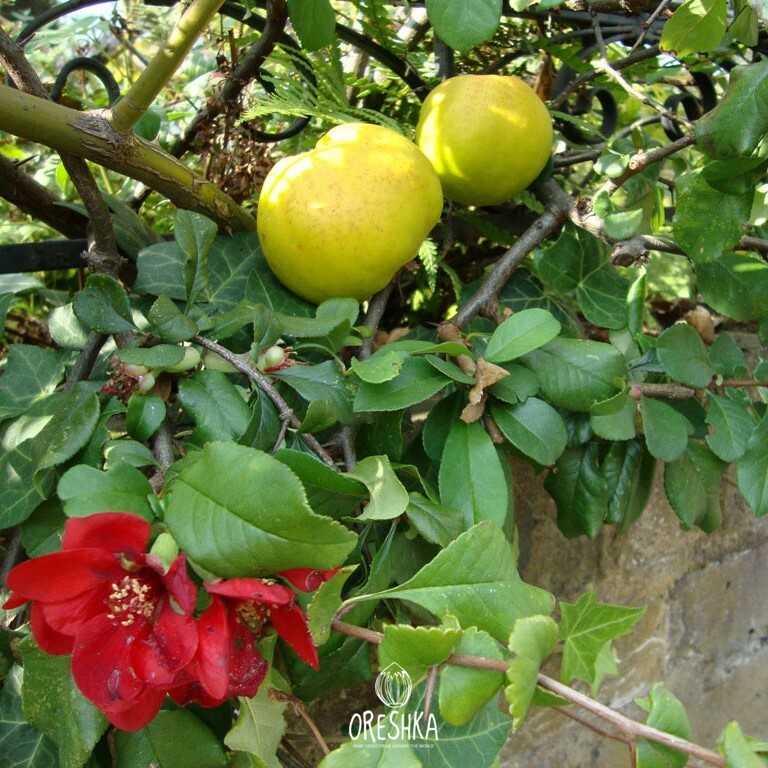
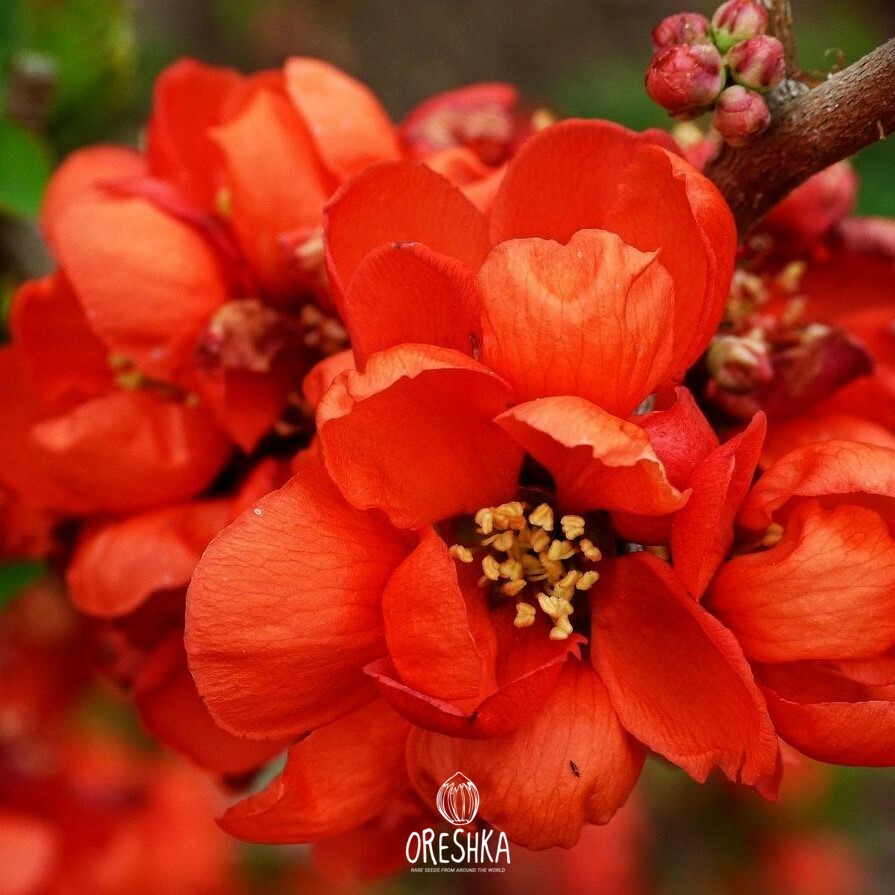
Scarlet flowers on bare branches in February — before any other shrub. One of the hardiest ornamental fruiting shrubs in existence, surviving −40°C Siberian winters. Edible fruit high in pectin and vitamin C, ideal for jelly and jam.
The plant
What is Japanese Quince — the Shrub That Flowers in February?
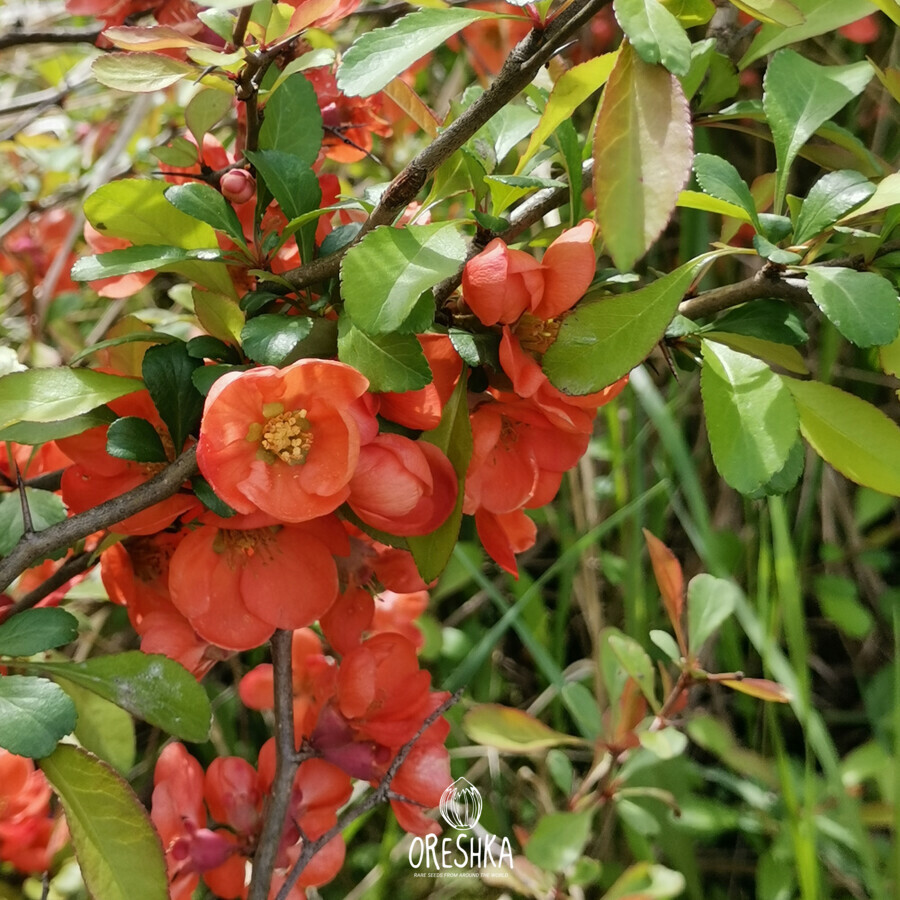
Chaenomeles japonica is a dense, thorny deciduous shrub native to Japan, naturalised across Europe and grown in gardens worldwide for over 200 years. It grows 1–3 m tall and spreads 4–5 m in diameter through suckers — forming wide, impenetrable thickets of spectacular value. The flowers are produced directly on bare winter wood in February–April, before any leaf appears, creating a vivid splash of scarlet, orange, pink, or white at the very start of the gardening year.
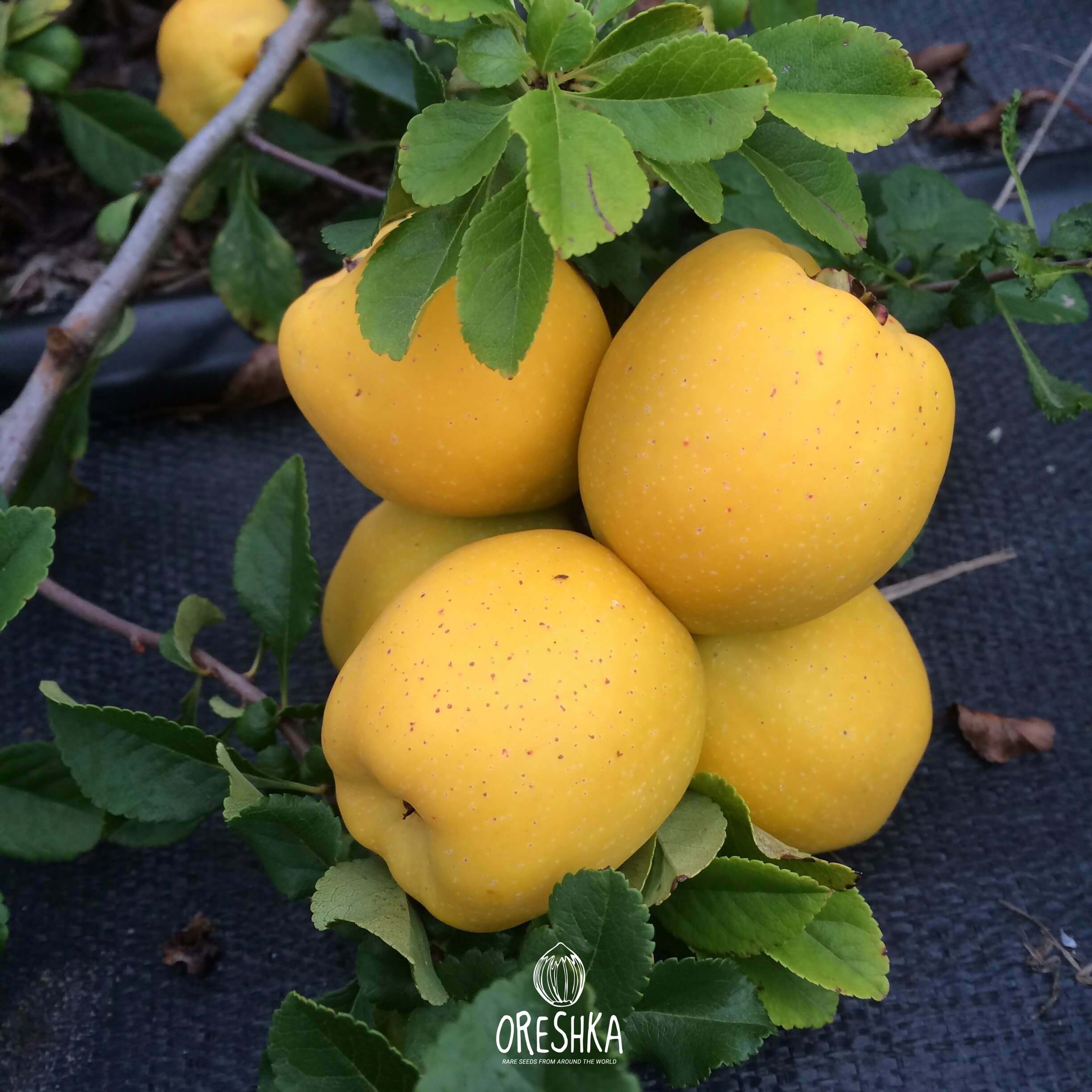
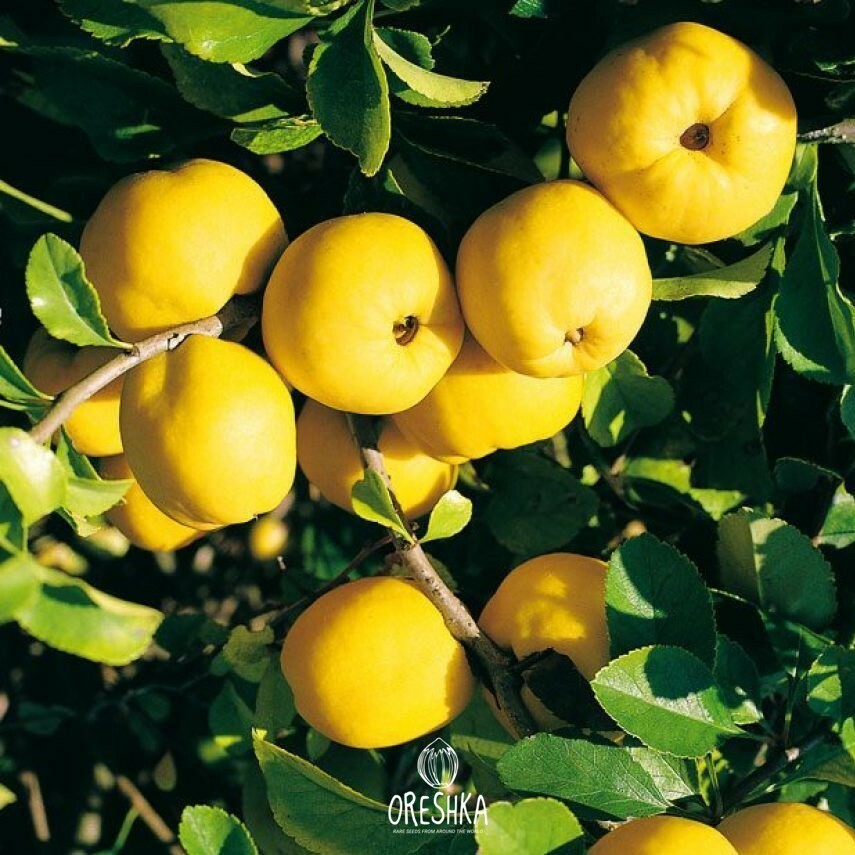
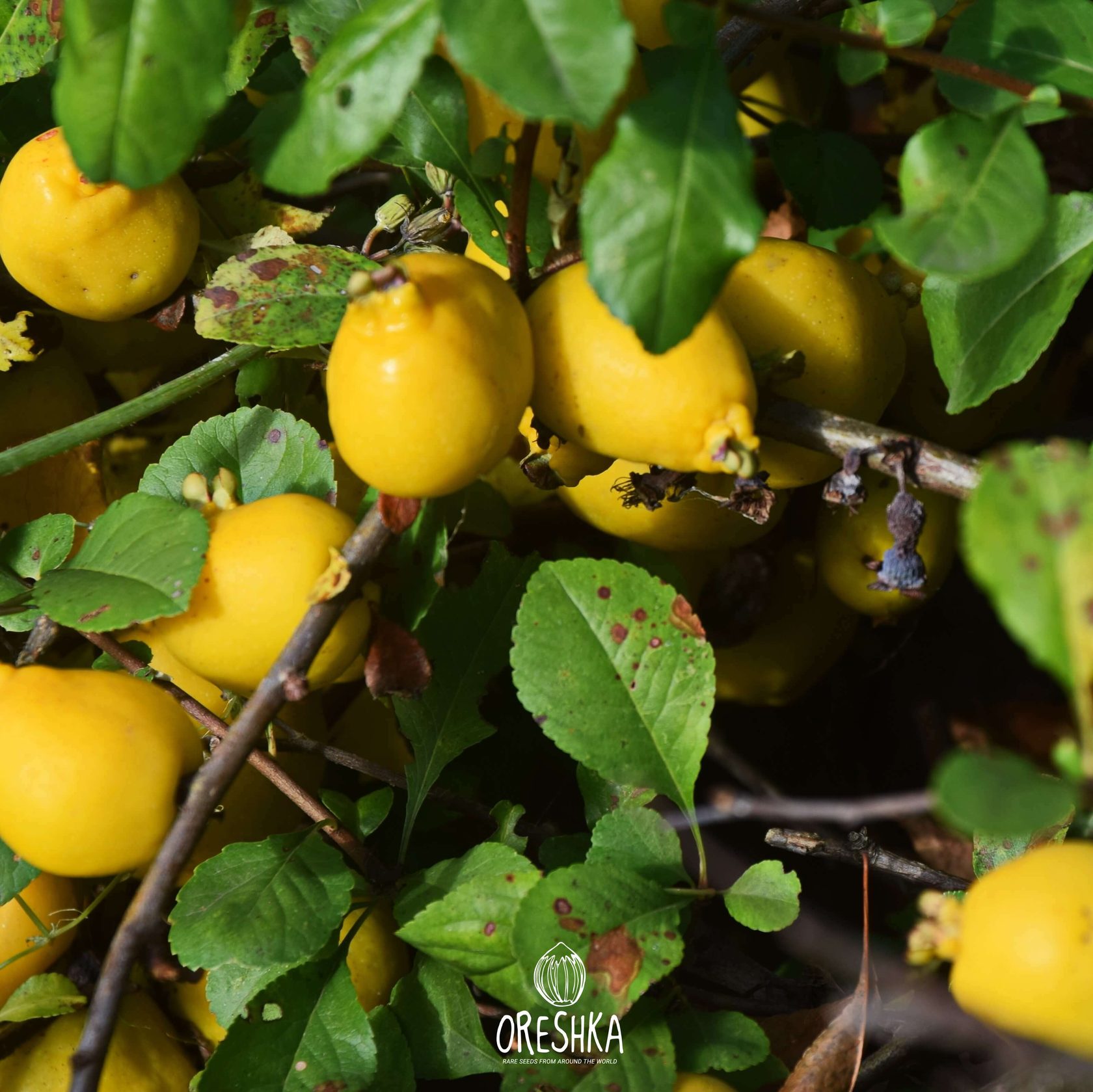
The edible fruit — small, hard, intensely aromatic — ripens to yellow-green in September and contains exceptional levels of pectin (higher than most commercial pectin sources) and vitamin C. It is used throughout Europe and Central Asia for jelly, jam, liqueur, and quince paste. In Japan it is used in traditional medicine and as a flavouring for sake.
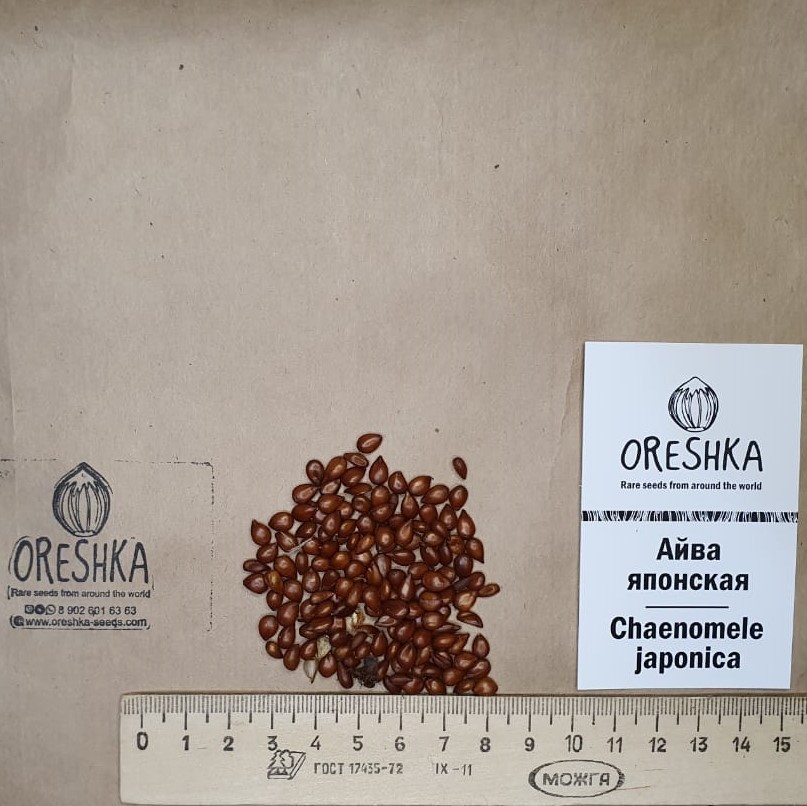
Do not skip the 8–12 week cold stratification — germination without it is sparse and unreliable. Seed-grown plants vary in flower colour (white to deep red), which is an advantage for mixed plantings. About our collection →

Quick facts
Chaenomeles japonica at a Glance
Growing guide
How to Grow Japanese Quince from Seed — Step by Step
- 01Cold Stratification — 8 to 12 WeeksMix seeds with lightly moist sand or peat in a sealed zip bag. Refrigerate at 2–5°C for 8–12 weeks. Chaenomeles has a deep physiological dormancy — the cold period is non-negotiable. Time the end of stratification to coincide with late winter (February–March) for sowing into a full growing season. Seeds beginning to crack or sprout in the bag are ready to sow immediately.
- 02Sow 1 cm Deep — Cool ConditionsUse seed trays or individual 9 cm pots with free-draining compost and grit (3:1). Sow 1 cm deep. Keep at 12–18°C — cool conditions give better germination than warmth. Cover with glass or clear film to maintain moisture. Germination at this temperature is slow but reliable. Do not use a heated propagator above 20°C.
- 03Germination — 3 to 6 WeeksExpect germination in 21–42 days at 12–18°C after stratification. It is staggered — leave trays undisturbed for 6 weeks before assuming failure. Prick out into individual 9 cm pots when the first true leaf pair appears, handling by a seed leaf to protect the stem. Grow on in full light outdoors from late spring.
- 04First Growing Season — Vigorous GrowthChaenomeles seedlings are notably vigorous — expect 20–40 cm in the first growing season. Full sun outdoors from late May. Feed monthly with a balanced fertiliser. Pinch leading shoots at 15–20 cm to encourage branching. Avoid high nitrogen — soft growth is susceptible to frost damage in the first winter. Water well through dry spells.
- 05Plant Out — Second YearPlant in permanent position in the second year in autumn or early spring. Japanese Quince tolerates almost any well-drained soil — it is one of the least fussy shrubs in cultivation. Full sun gives best flowering and fruiting; partial shade is tolerated. Space 1.5–2 m for specimens, 60–80 cm for hedging. It can be trained as a wall shrub (espalier) on any aspect including north-facing walls where it flowers reliably.
- 06Flowering and Harvesting FruitFirst flowers appear in year 3–4 from seed. The spectacle is extraordinary — vivid flowers directly on bare grey winter branches, sometimes while snow is still on the ground. Flowers are pollinated by early bumblebees; fruit sets reliably on established plants. Harvest fruit in September–October when yellow-green and fragrant. Do not wait for softening — Chaenomeles fruit is always hard when ripe. Use within 4–6 weeks of harvest for best gel quality.
Seed-grown Chaenomeles plants vary in flower colour — this is not a defect but an opportunity. Grow 5–6 plants from one packet and you will produce a mixed-colour hedge or grouped planting with flowers ranging from white through shell pink, salmon, orange, and deep scarlet. This is precisely how mixed-colour Chaenomeles plantings are created in historic gardens. Once a seedling with an outstanding flower colour appears, propagate it vegetatively by hardwood cuttings in November to fix the colour permanently. One packet of seeds is a cheap way to produce a collection that would cost €50–80 to buy as named cultivars.
Compare
Japanese Quince vs. Common Quince vs. Ornamental Flowering Currant
| Feature | Chaenomeles japonica Japanese Quince · P3 | Cydonia oblonga Common Quince | Ribes sanguineum Flowering Currant |
|---|---|---|---|
| Form | Thorny shrub 1–3 m | Small tree 4–6 m | Shrub 2–3 m, no thorns |
| USDA Zone | Zone 5 · −29°C | Zone 6–7 · −18°C | Zone 6 · −23°C |
| Flower time | Feb–Apr · bare wood | Apr–May · with leaves | Mar–Apr · with leaves |
| Fruit use | Jelly, jam, liqueur | Jelly, paste, poaching | Small, tart — wildlife only |
| Hedge use | Excellent — thorny & dense | Not suitable | Good but not thorny |
| Flower colour | White to deep scarlet (varies) | White to pale pink | Deep pink to red |
Avoid these
Common Mistakes When Growing Japanese Quince from Seed
Insufficient cold stratification
8–12 weeks at 2–5°C is the minimum. Shorter cold periods (4 weeks) result in sparse, erratic germination. Time stratification to finish in February–March for sowing directly into the growing season.
Germinating in too much warmth
Chaenomeles germinates best at 12–18°C — cool conditions, not a warm windowsill or heated propagator. At 25°C+, germination rate drops and seedling damping-off risk increases significantly.
Expecting uniform flower colour from seed
Seed-grown Chaenomeles are variable. If a specific named colour is required (e.g., 'Nivalis' pure white or 'Simonii' dark crimson), you need vegetative propagation — cuttings or layering from a named plant. Seed gives a beautiful mixed range, not uniformity.
Planting too close to paths or doors
Mature Chaenomeles shrubs are heavily armed with sharp thorns. Plant at least 1.5 m from any frequently used path. Conversely, use this to your advantage — as a security hedge it is among the most effective thorny plants available.
FAQ
Frequently Asked Questions
When does Japanese Quince flower?
Is Japanese Quince fruit edible?
How cold-hardy is Japanese Quince?
What is the difference between Japanese Quince and Common Quince?
Can Japanese Quince be grown as a hedge?
Why do seed-grown plants vary in flower colour?
The First Flowers of the Year — February on Bare Branches
15+ fresh Siberian-hardy seeds · Zone 5 · Edible fruit for jelly · Thorny flowering hedge · Ships worldwide
Buy Seeds — €6.25 → Sale −40% · SKU P3 · 15+ PCS · Chaenomeles japonica · Oreshka Seeds