

How to Grow Meadowsweet from Seed
Filipendula ulmaria — Bridewort · Lady of the Meadow
Salicylic acid — the active compound in aspirin — was first isolated from this plant in 1838. Fragrant cream-white flower heads in July–August, valued since antiquity to flavour mead and wine. A magnificent perennial for wet garden positions where little else thrives.
The plant
What is Meadowsweet — the Plant That Gave Us Aspirin?
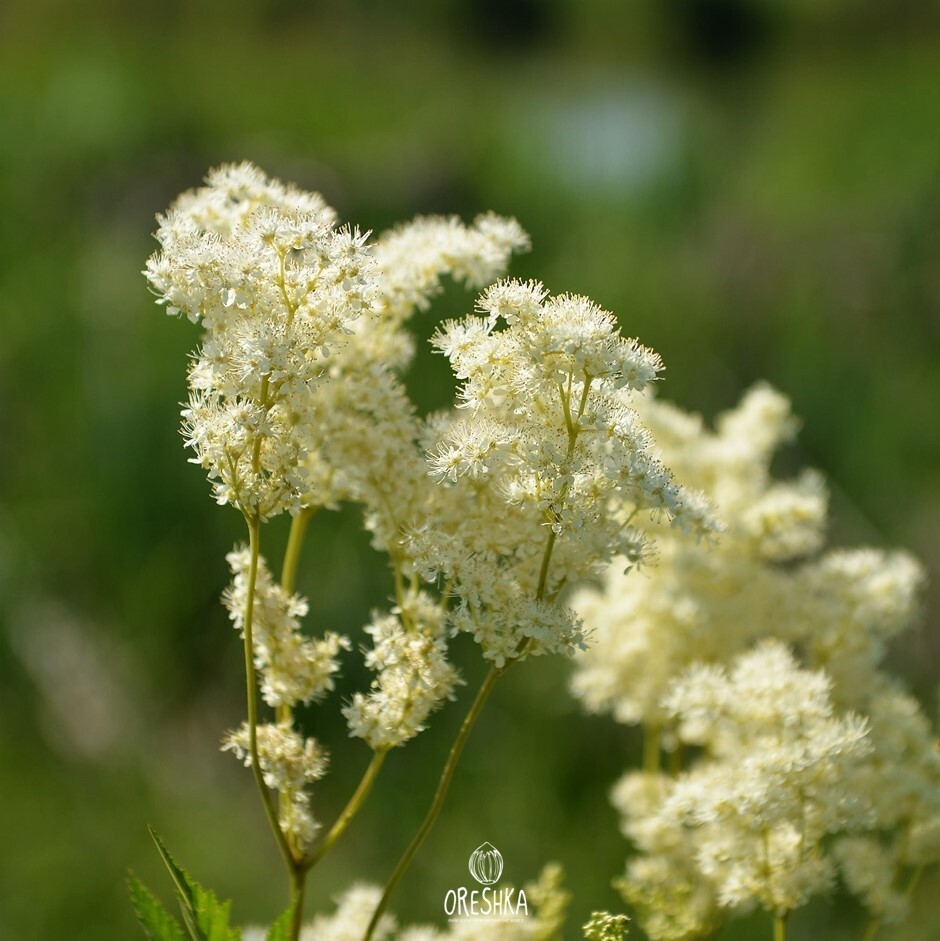
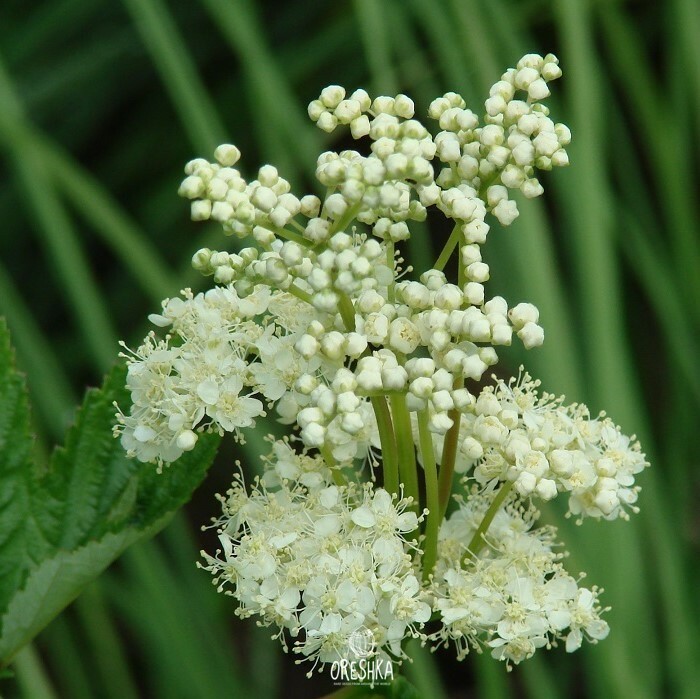
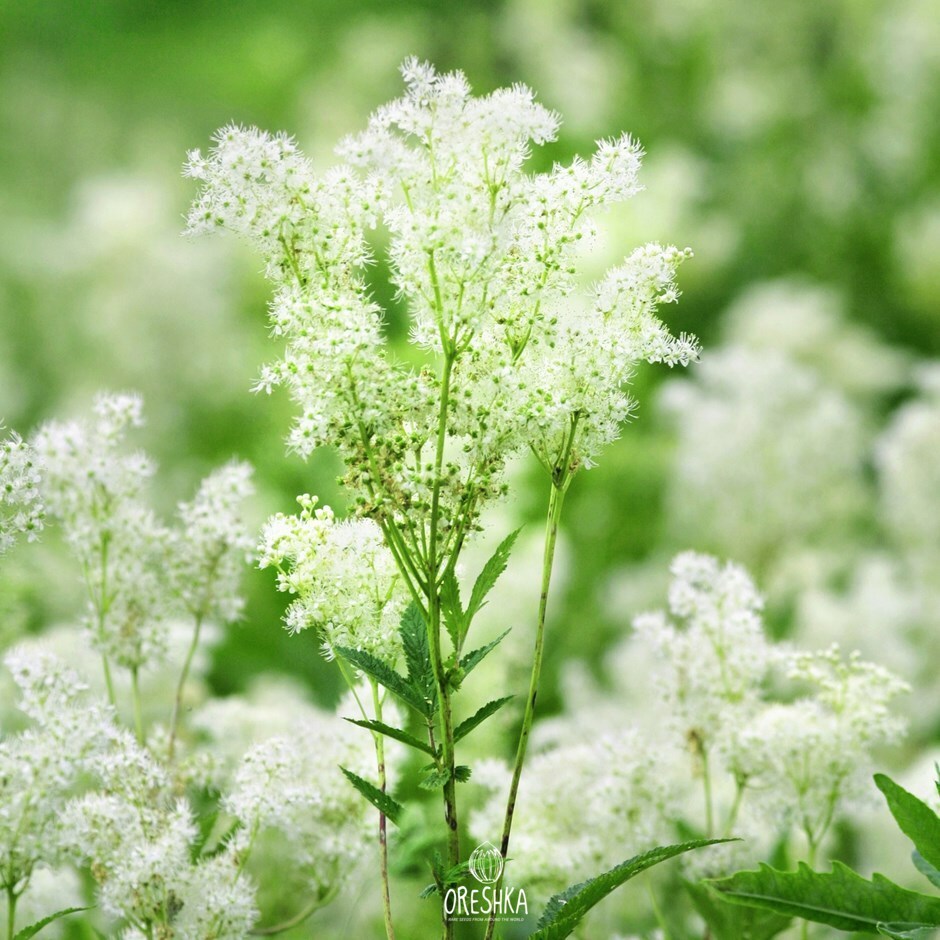
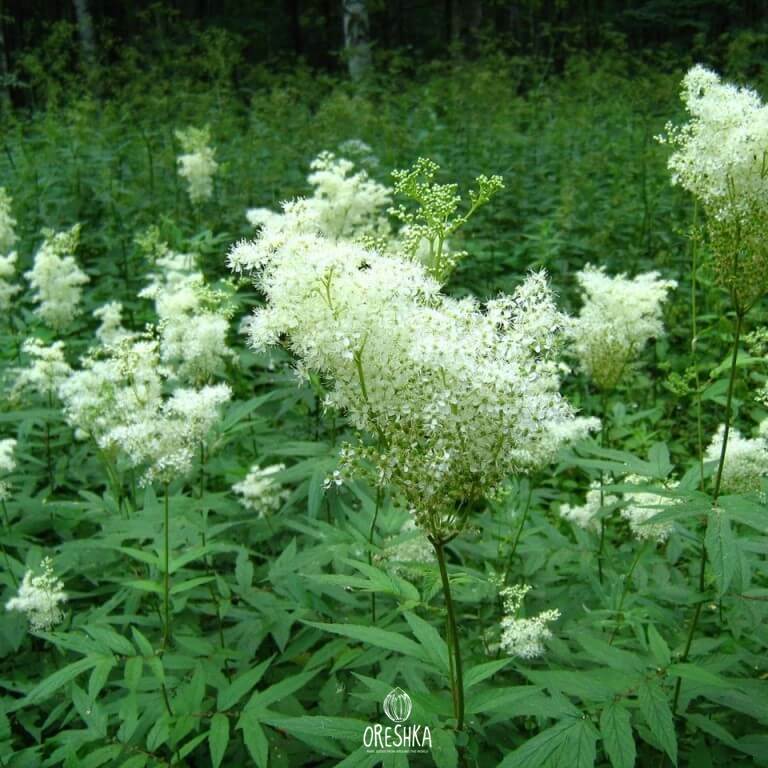
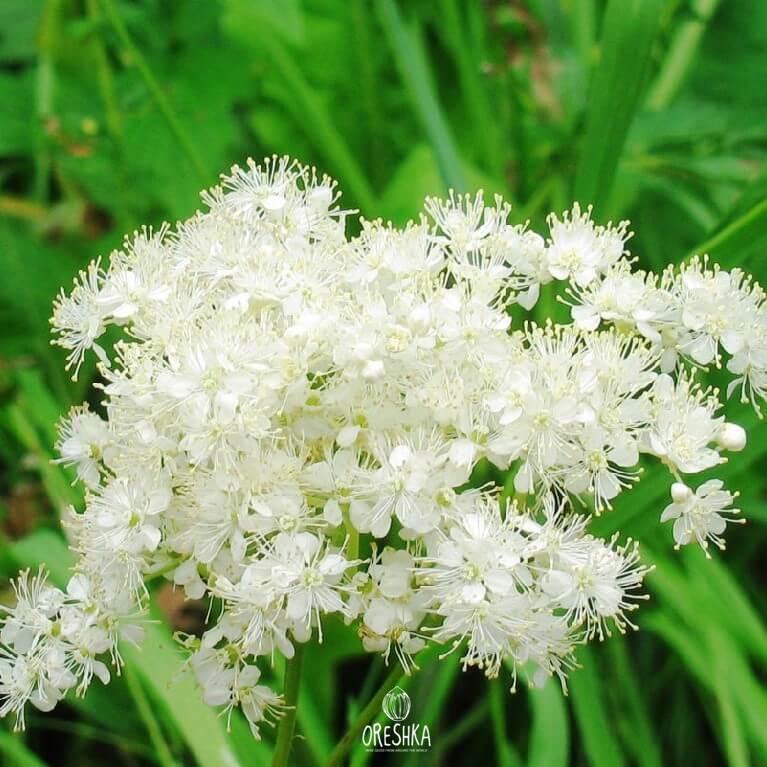
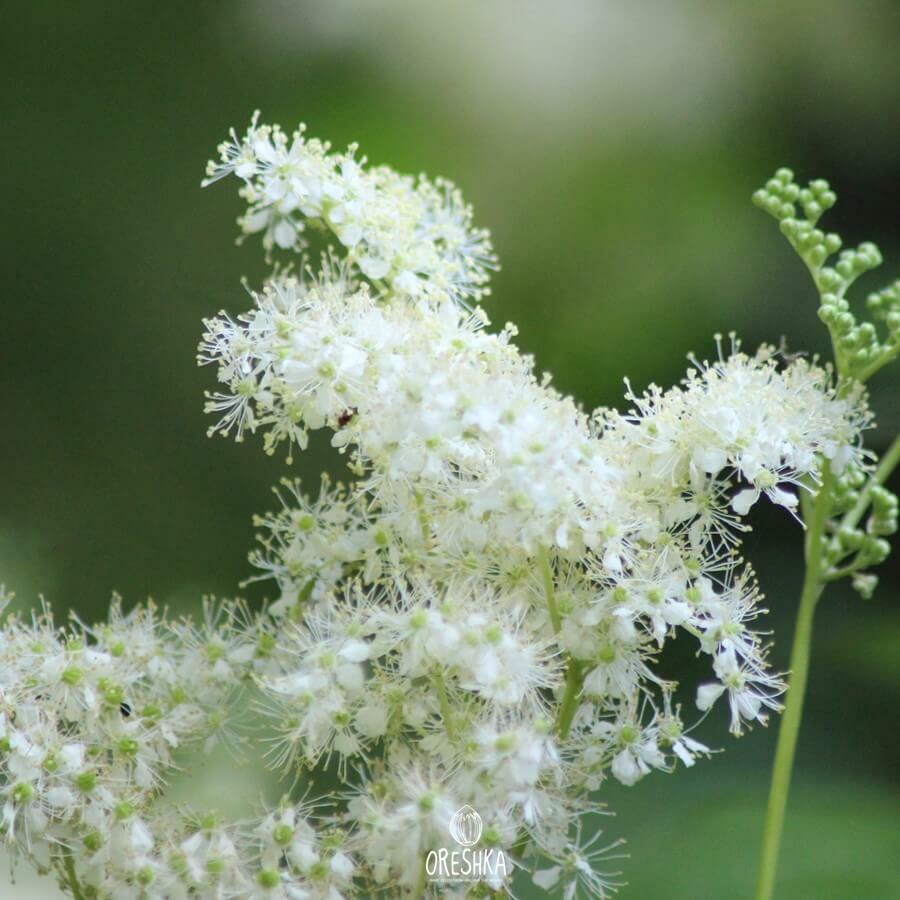
Filipendula ulmaria is a perennial herbaceous plant native to wet meadows, riverbanks, fens, and damp woodland edges across Europe and western Asia, growing from the British Isles to Siberia. It produces tall stems (60–120 cm) topped with large, frothy panicles of hundreds of tiny, intensely fragrant cream-white flowers in July and August. The fragrance — sweet, almond-like, with honey and vanilla notes — is one of the most distinctive of any European wildflower, intensifying at dusk.
The plant's connection to aspirin is direct and well-documented. Salicylic acid was first isolated from Filipendula ulmaria (then classified as Spiraea ulmaria) in 1838. The name 'aspirin' was coined by Bayer in 1897 from the old genus name Spiraea. The plant had been used in traditional medicine for centuries before this discovery — as a fever remedy, a pain reliever, and an anti-inflammatory — precisely because of its natural salicylate content. It remains in herbal use today as a gentler, food-derived alternative to synthetic aspirin.
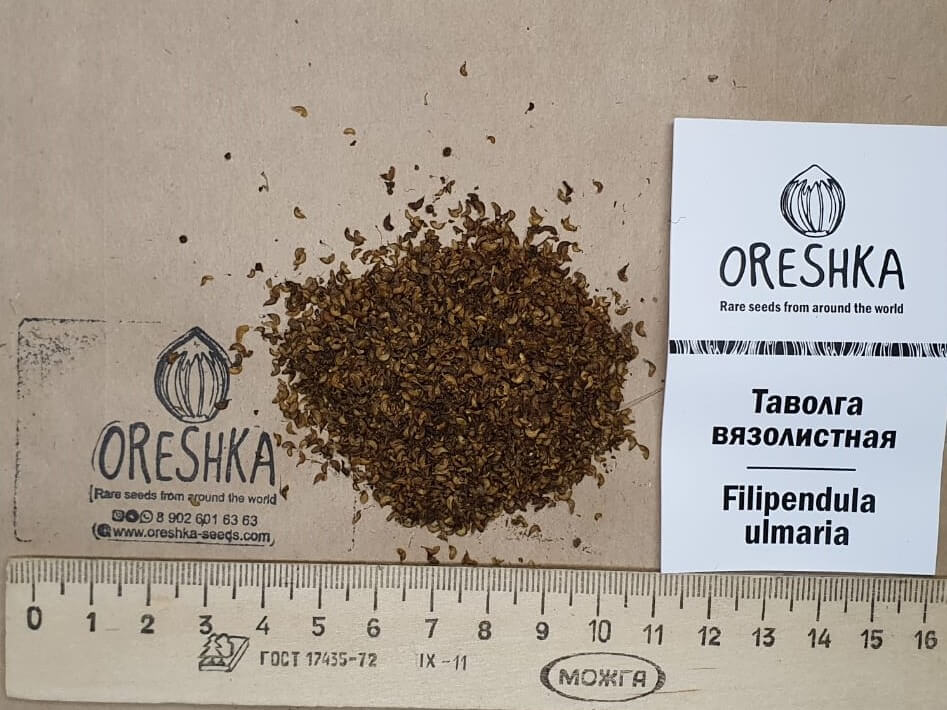
Consistent moisture is the single key requirement — meadowsweet thrives where other plants struggle. Outstanding for bog gardens and pond margins. 100 seeds per pack. About our collection →
Quick facts
Filipendula ulmaria at a Glance
Growing guide
How to Grow Meadowsweet from Seed — Step by Step
- 01Cold Stratification — 4 to 6 WeeksRefrigerate seeds in moist sand at 2–4°C for 4–6 weeks before spring sowing. Or sow directly outdoors in autumn — the simplest method, requiring no equipment. Winter provides natural cold stratification and seeds germinate reliably in March–April when temperatures rise. Autumn outdoor sowing into a moist, shaded seedbed produces vigorous, well-established plants ready to flower in their first full season.
- 02Sow Shallowly — Moisture-Retentive CompostSow stratified seeds at the surface to 0.3 cm deep onto moist, moisture-retentive compost. Do not use free-draining mixes — Filipendula ulmaria is a moisture-loving plant and dry compost inhibits germination. Keep consistently moist throughout. Cover with glass or clear film. Keep at 12–18°C in bright indirect light. The requirement for consistent moisture begins at the seed stage and never changes throughout the plant's life.
- 03Germination — 2 to 6 WeeksSeeds germinate in 14–42 days at 12–18°C after stratification. Seedlings emerge with narrow paired seed leaves followed by the distinctive pinnate (feather-shaped) true leaves of Filipendula. Prick out into individual pots of moisture-retentive compost when the first true leaf appears. Keep consistently moist — young plants that dry out even briefly set back significantly. Grow on in cool, bright conditions.
- 04First Season — Building the RhizomeFilipendula ulmaria grows actively through its first season, building the thick, persistent rhizome. Plant out into the garden from early summer or grow on in large moisture-retentive pots. Full sun to partial shade. Water regularly in average garden soil — daily during dry summer spells. In boggy ground, pond margins, or rain garden positions, it thrives without supplemental watering. Mulch well to maintain soil moisture.
- 05Plant Out — Wet Conditions PreferredPlant in permanent position in the first or second year. Ideal: full sun to partial shade, consistently moist to wet soil, pH 5.5–7.0. Filipendula ulmaria is outstanding for pond margins, bog gardens, rain gardens, and waterside planting — positions where few other ornamental perennials grow vigorously. In average garden borders, water regularly and mulch deeply. Space 45–60 cm. The rhizome spreads slowly to form a clump; divide every 3–4 years to rejuvenate.
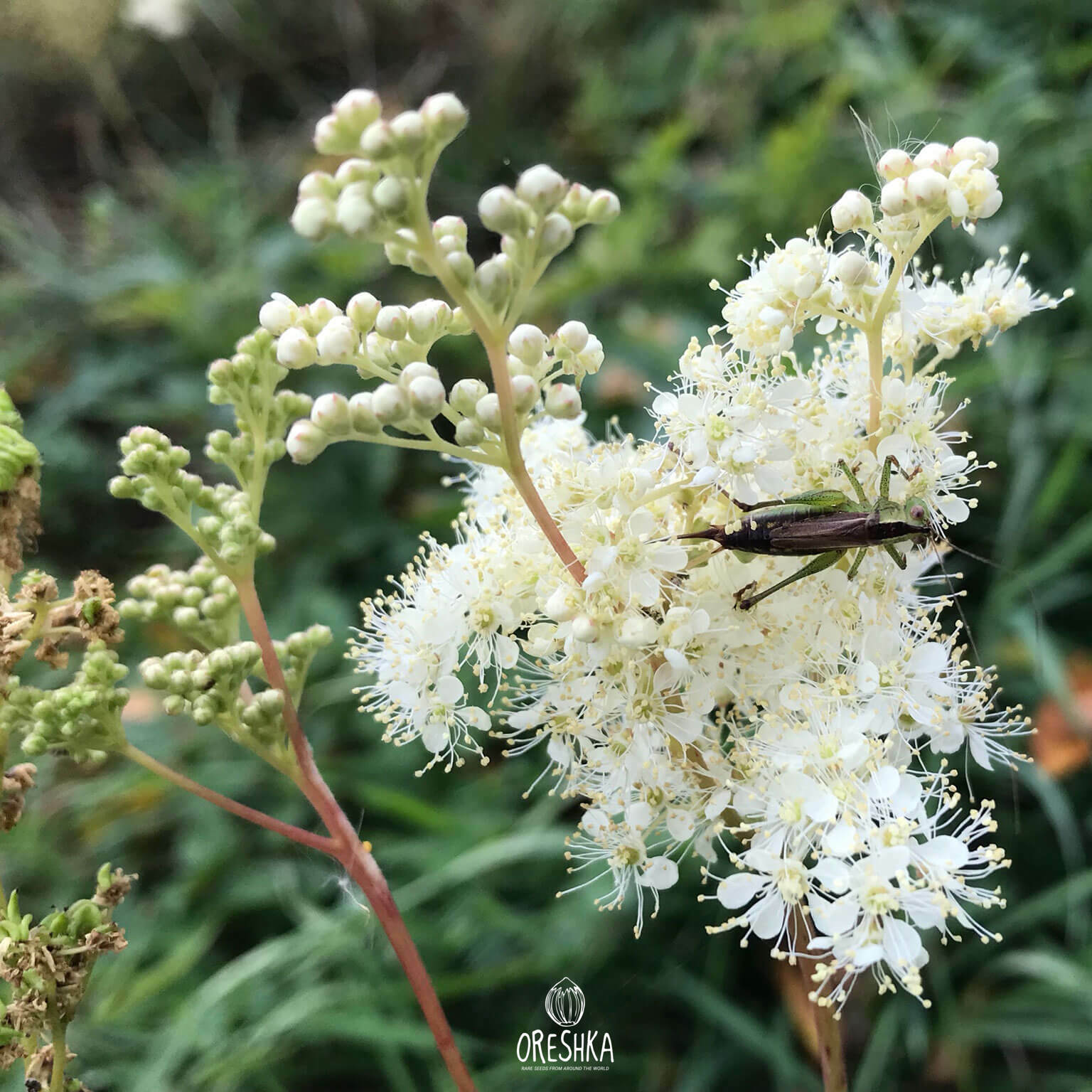
- 06Flowering and Aftercare — July to AugustFirst flowers appear in year two from spring sowing; year one from autumn sowing. Stems reach 60–120 cm, topped with large panicle inflorescences of hundreds of tiny cream-white flowers — the fragrance is remarkable at close range and carries across the garden in warm evening air. Flowers attract hoverflies, small bees, and beetles in abundance. After flowering, cut stems back to the basal rosette. The rhizome re-sprouts each spring indefinitely — established plants require no replanting.
Meadowsweet flower syrup is one of the simplest and most rewarding ways to use this plant. At peak flower in July, gather freshly opened flower heads (before they begin to brown). Place 200 g of flower heads in a pan with 500 ml water and 400 g sugar. Heat gently until sugar dissolves — do not boil, which destroys the delicate fragrance. Cool, strain, and bottle. The syrup keeps refrigerated for 3–4 weeks. Use in sparkling water, cocktails, lemonade, panna cotta, and ice cream. The flavour is sweet, almond-like, and unmistakeably distinctive — impossible to replicate with any other ingredient. One established plant provides enough flowers for several batches per season.
Compare
Meadowsweet vs. Astilbe vs. Aruncus dioicus
| Feature | Filipendula ulmaria Meadowsweet · T66 | Astilbe × arendsii Garden Astilbe | Aruncus dioicus Goat's Beard |
|---|---|---|---|
| USDA Zone | Zone 3 · −40°C | Zone 4 · −34°C | Zone 3 · −40°C |
| Fragrance | Strongly fragrant · almond-honey | None | None |
| Soil moisture | Moist to wet · bog-garden | Moist · dislikes drought | Moist to average |
| Medicinal use | Yes — salicylate source · aspirin ancestor | None | None |
| Seeds per pack | 100 PCS | Typically 20–50 | Typically 20–50 |
| Culinary use | Flowers — syrup · cordial · mead | None | None |
Avoid these
Common Mistakes When Growing Meadowsweet from Seed
Allowing to dry out at any stage
Filipendula ulmaria cannot tolerate prolonged drought. In average garden soil without irrigation, plants wilt, set back, and produce fewer flowers. Position in consistently moist soil or water daily in dry weather. This is the non-negotiable requirement for this plant throughout its life.
Planting in dry, free-draining soil
Sandy, stony, or sharply free-draining soils are unsuitable without intensive irrigation. Meadowsweet is a wetland plant that thrives where soil is wet enough to exclude most other species. The wetter the position — bog gardens, pond margins, rainwater retention areas — the better it performs.
Harvesting flowers before they fully open
The fragrance of meadowsweet flowers is released only when the flowers are fully open. Tight buds have little scent. For syrup, cordial, or tea, harvest only fully opened flower heads — they should be cream-white, fluffy, and fragrant. Brown or fading flowers are past their peak. The harvest window is 2–3 weeks in July–August.
Confusing with Spiraea shrubs
Filipendula ulmaria is a herbaceous perennial (dies back in winter), not to be confused with Spiraea shrubs (woody, permanent stems). The old genus name Spiraea ulmaria caused confusion historically — the aspirin connection belongs to Filipendula ulmaria, not to modern Spiraea garden shrubs, which have no significant salicylate content.
FAQ
Frequently Asked Questions
What is the historical connection between Meadowsweet and aspirin?
Why was Meadowsweet called 'mead wort'?
Does Meadowsweet need wet soil?
Is Meadowsweet a good plant for pollinators?
Can Meadowsweet be used in cooking?
How large does Meadowsweet grow?
Aspirin's Ancestor — Queen of the Wet Meadow
100 fresh seeds · Zone 3 · Fragrant July flowers · Bog garden · Herbal & culinary use · Ships worldwide
Buy Seeds — €5.00 → Sale −40% · SKU T66 · 100 PCS · Filipendula ulmaria · Oreshka Seeds