

How to Grow Dawn Redwood from Seed
Metasequoia glyptostroboides
Thought extinct for 5 million years. Rediscovered in 1944 in a remote valley in central China. Now you can grow this living fossil at home — from a single seed to a 35-metre giant.
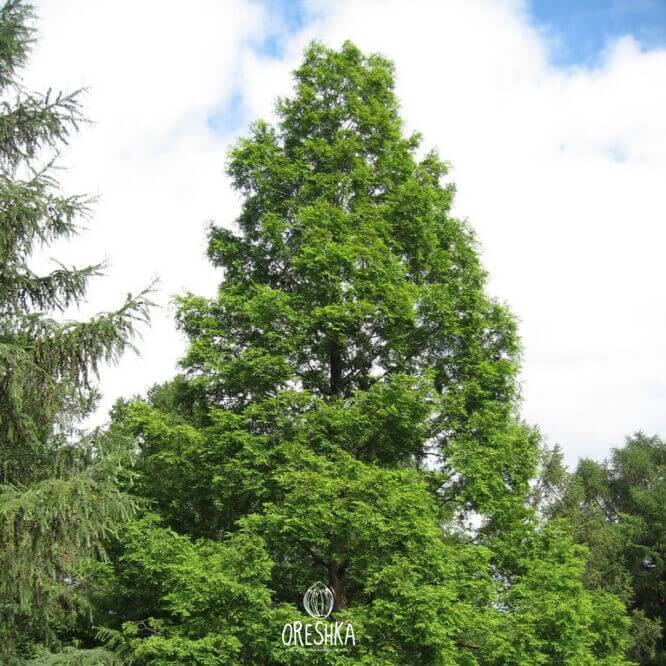
The plant
What is Dawn Redwood — and Why Is It Extraordinary?
Metasequoia glyptostroboides is the only living species in its genus — a conifer that grew alongside dinosaurs 65+ million years ago. For decades, scientists knew it only from fossils scattered across the Northern Hemisphere. The consensus was clear: it was extinct.
Then, in 1944, a Chinese forester named Zhan Wang found a cluster of enormous unfamiliar trees growing in the Shuishaba valley in Hubei province. The entire wild population — fewer than 5,400 trees — was confined to this single valley system in central China. It was one of the most dramatic botanical discoveries of the 20th century.
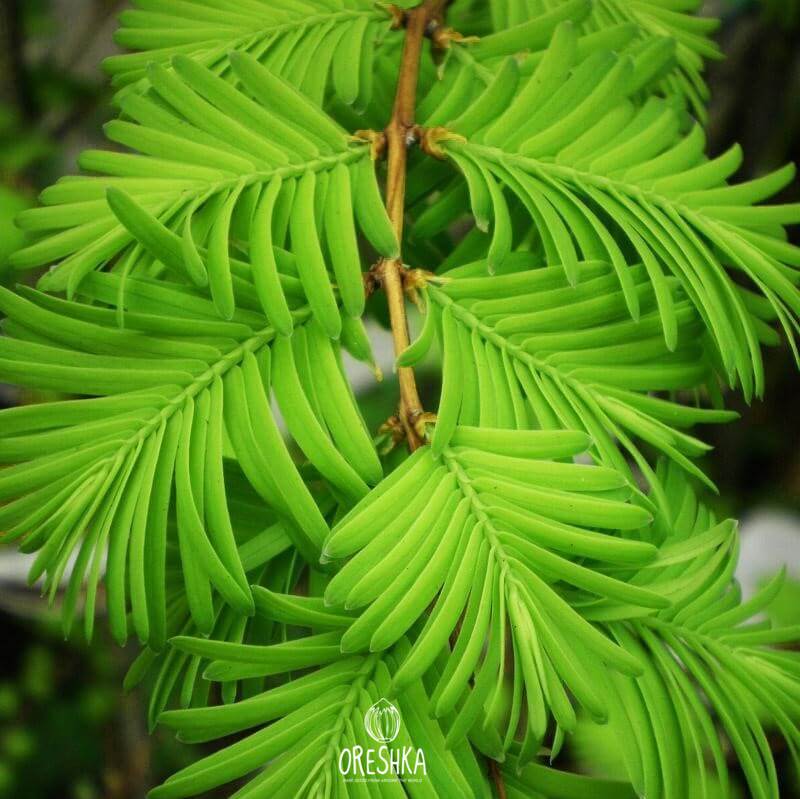
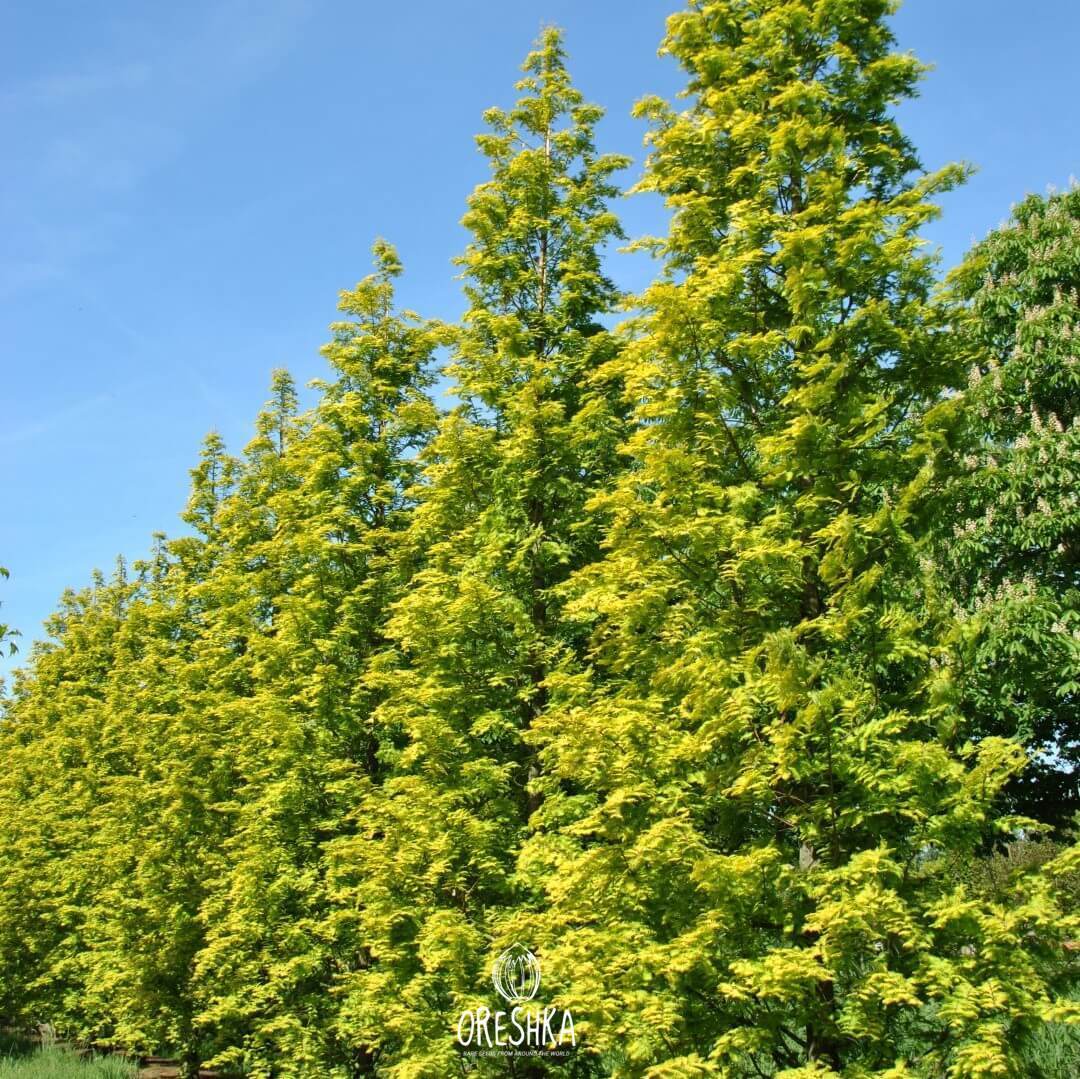
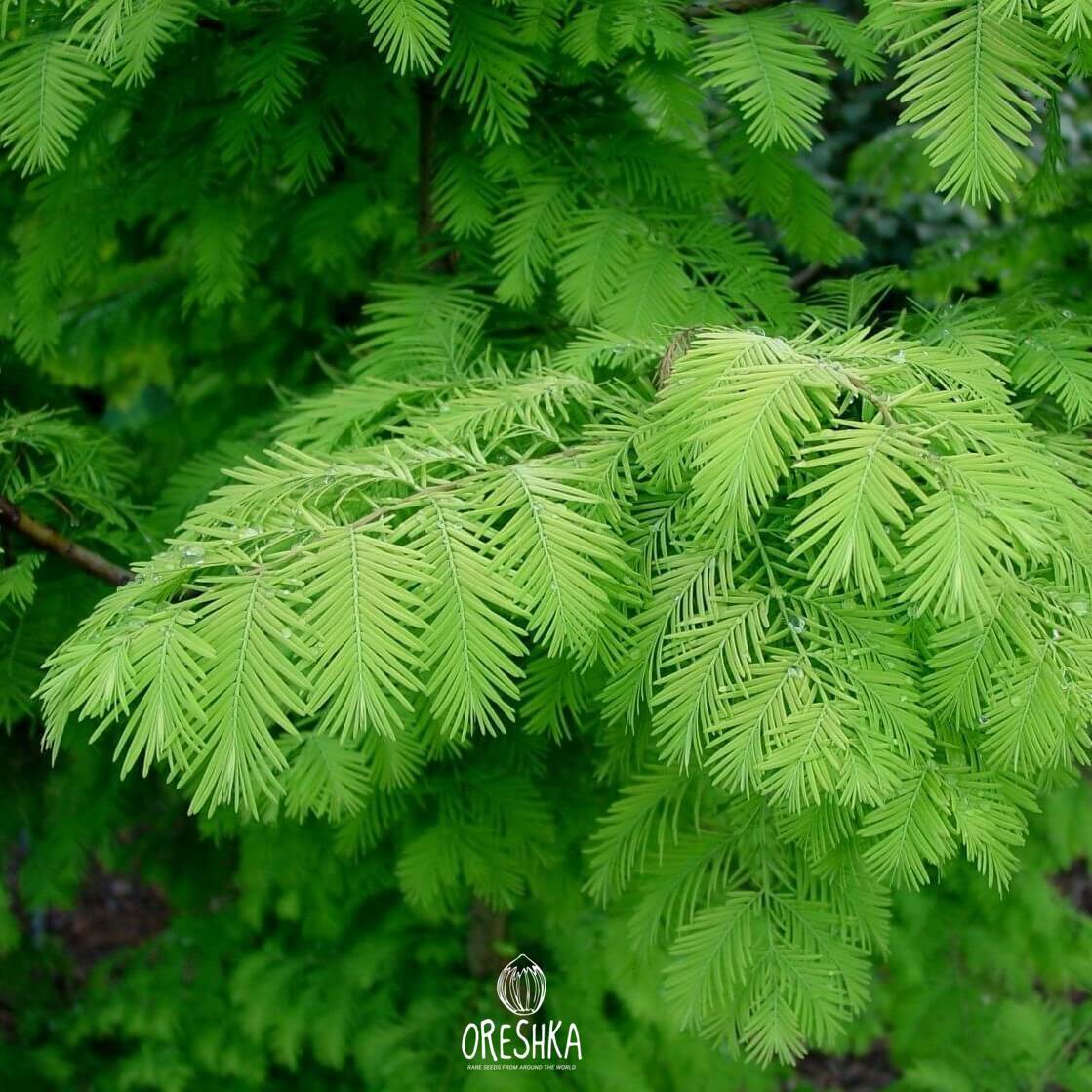
Today, Metasequoia is widely grown as a garden and park tree across North America and Europe — prized for its extraordinary growth speed, cold hardiness, and spectacular autumn colour. Unlike almost all other conifers, it is deciduous: it drops its soft feathery needles every autumn after turning golden-orange to russet-red, then produces fresh bright-green needles each spring.
Seeds grown from verified parent plants with documented provenance. Collected fresh each season by our team. About our collection →
Quick facts
Metasequoia at a Glance
Growing guide
How to Grow Metasequoia from Seed — Step by Step
Germination rate from fresh seeds: 40–70%. Cold stratification is the single most important factor.
- 01 Cold Stratification — 4 to 6 Weeks
Mix seeds with slightly moist sand or peat. Place in a sealed zip bag or small container. Keep at 2–5°C in the refrigerator for 4–6 weeks. Check weekly — the medium should feel barely moist, not wet. This cold period mimics winter and breaks the seed's dormancy. Without stratification, germination rates drop below 10%.
- 02 Surface Sowing — Do Not Cover Seeds
Fill shallow trays with a mix of peat and perlite (2:1 ratio) or fine seed compost. Moisten well. Press stratified seeds onto the surface — Metasequoia requires light for germination, so covering them reduces success significantly. Cover the tray with a clear plastic lid or cling film to maintain humidity. Keep at 18–22°C.
- 03 Germination — 14 to 28 Days
Seeds typically sprout in 14–28 days at 18–22°C. Keep the substrate consistently moist but never waterlogged. Provide 14–16 hours of light per day — a bright south-facing window or a simple grow light works well. Remove the plastic cover gradually over 3–5 days once seedlings reach 2–3 cm to avoid damping off.
- 04 First Year Care — 20 to 40 cm by Autumn
Transplant seedlings to individual 9 cm pots when they reach 5–8 cm tall. Use slightly acidic, well-drained soil (pH 4.5–6.0). Water regularly — Dawn Redwood thrives with consistent moisture. Feed with a balanced dilute fertiliser every 3–4 weeks through summer. Expect 20–40 cm by end of first season in good conditions.
- 05 Planting Out — Second or Third Year
Choose a sunny, open position sheltered from cold drying winds. Metasequoia does not like competition — allow at least 4–5 metres from other trees and structures. The tree grows 1–1.5 m per year once established in open ground. Plant after last frost, water well through the first summer, and mulch around the base. Protect from late frosts in the first winter outdoors.
- 06 Long-Term Growth — A Tree for Generations
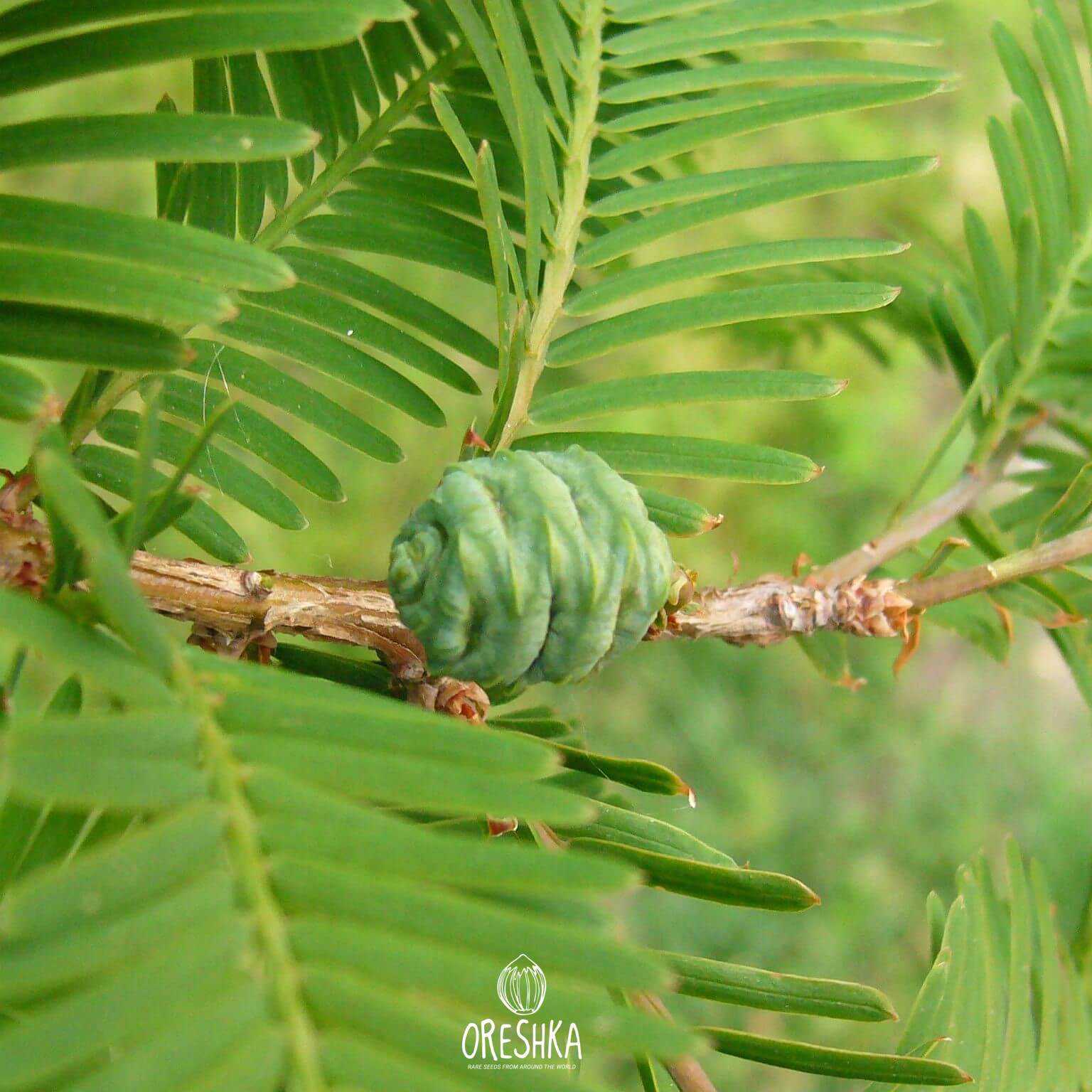
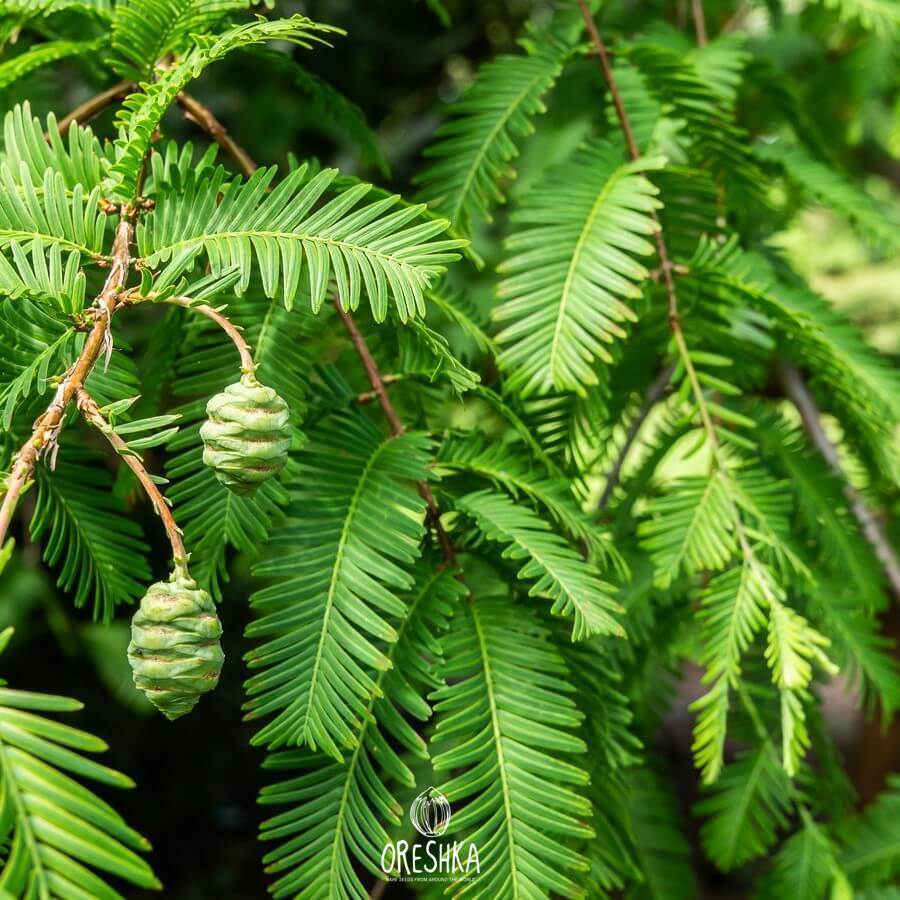
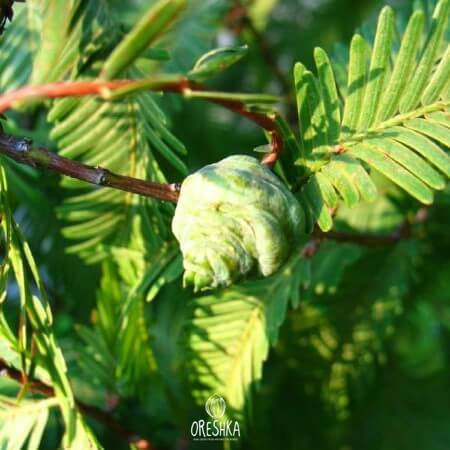
Metasequoia reaches approximately 3 m by age 5 and 10–12 m by age 10–15. It begins producing seed cones at age 6–9 years. The tree is fully deciduous — needles turn golden-red in October–November, drop over winter, and return fresh bright-green each April. It can live for several centuries and ultimately reaches 35 m with a trunk diameter up to 2 m.
The single biggest mistake growers make is skipping stratification and sowing seeds directly in spring. Metasequoia seeds collected in autumn need a cold period to register that winter has passed. Unstratified seeds germinate at under 10%. A simple 5 weeks in the fridge at 3°C — mixed with moist peat in a zip bag — transforms that to 50–70%. Also: start seeds in February, not April. You want seedlings large enough to handle outdoor conditions by early summer.
Compare
Metasequoia vs. Coast Redwood vs. Giant Sequoia
| Feature | Metasequoia Dawn Redwood · H9 | Sequoia sempervirens Coast Redwood · H18 | Sequoiadendron Giant Sequoia |
|---|---|---|---|
| USDA Zone | Zone 4 · −34°C | Zone 7–8 · −15°C | Zone 6 · −23°C |
| Evergreen? | Deciduous (unique!) | Evergreen | Evergreen |
| Growth speed | 1–1.5 m/yr (fastest) | 0.6–1 m/yr | 0.3–0.6 m/yr |
| Autumn colour | Golden-orange to russet | None (evergreen) | None (evergreen) |
| Cold climate? | Excellent — UK, Germany, Zone 4+ | Coastal only · needs fog | Mountain climates |
| Seeds in stock | 30 PCS · €5.00 | 20 PCS · €6.25 | — |
Avoid these
Common Mistakes When Growing Metasequoia from Seed
Skipping cold stratification
The most common failure. Without 4–6 weeks at 2–5°C, seeds receive no "winter" signal and refuse to germinate. Always stratify before sowing, even if the packet says 'fresh seeds'.
Covering seeds with compost
Metasequoia seeds require light to germinate. Even a thin layer of compost significantly reduces germination. Press seeds onto the surface and leave them uncovered — the plastic lid maintains humidity without blocking light.
Waterlogging seedlings in first year
While Metasequoia loves moisture, seedling roots are highly sensitive to rot in the first year. Use well-draining substrate and allow the top few millimetres to dry slightly between waterings.
Planting too close to other trees or buildings
Dawn Redwood grows very fast and very wide. It does not compete well with neighbouring trees — and its spreading root system can cause problems near structures. Plan for 4–5+ metres of clearance before planting out.
Planting out too early in first season
First-year seedlings are surprisingly delicate in outdoor conditions despite the tree's eventual cold hardiness. Wait until seedlings have at least 6–8 weeks of indoor growth and all frost risk has passed before moving outside.
FAQ
Frequently Asked Questions
Can I grow Metasequoia from seed in the UK, Germany or Northern Europe?
How long does Metasequoia take to grow from seed to a visible tree?
Is Metasequoia evergreen or does it lose its needles in winter?
What is the difference between Metasequoia, Sequoia and Sequoiadendron?
Can I grow Dawn Redwood in a container or pot?
Why was Metasequoia thought to be extinct, and where do wild trees still grow?
Grow Your Own Living Fossil
30 fresh seeds · In stock · Ships worldwide in 2–3 days · Zone 4 cold hardy · −34°C proven
Buy Seeds — €5.00 → Sale price −40% · SKU H9 · 30 PCS per pack · Oreshka Seeds