How to Grow St John's Wort from Seed
Hypericum perforatum
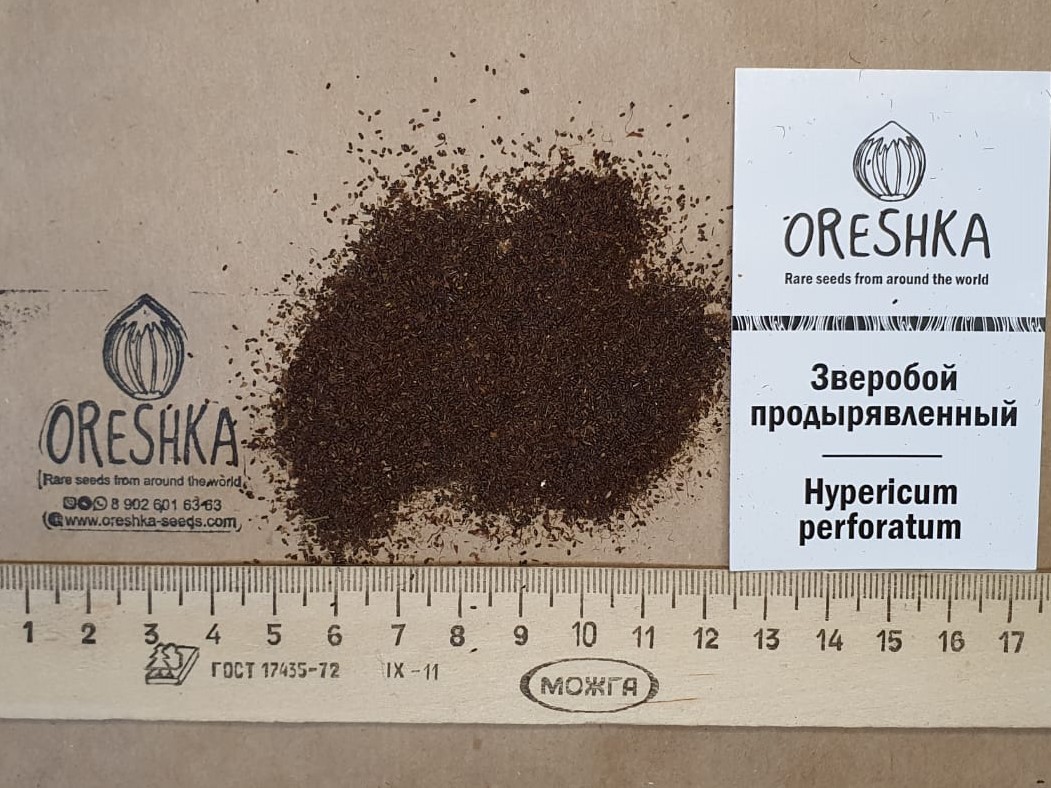
Used in European folk medicine for over 2,000 years. The most studied medicinal herb in Europe. 1000+ seeds per pack — enough to establish a productive harvest patch in one season.
The plant
What is St John's Wort — Europe's Most Studied Medicinal Herb?
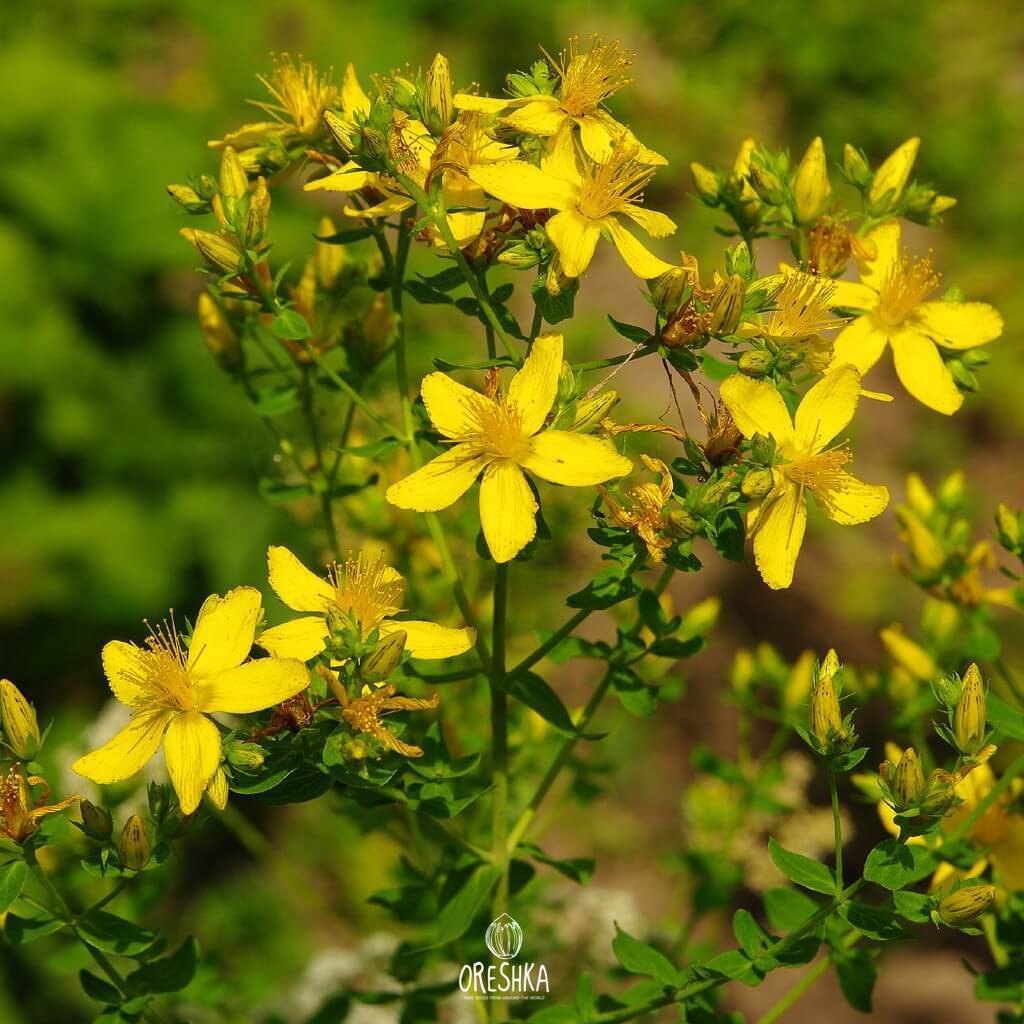
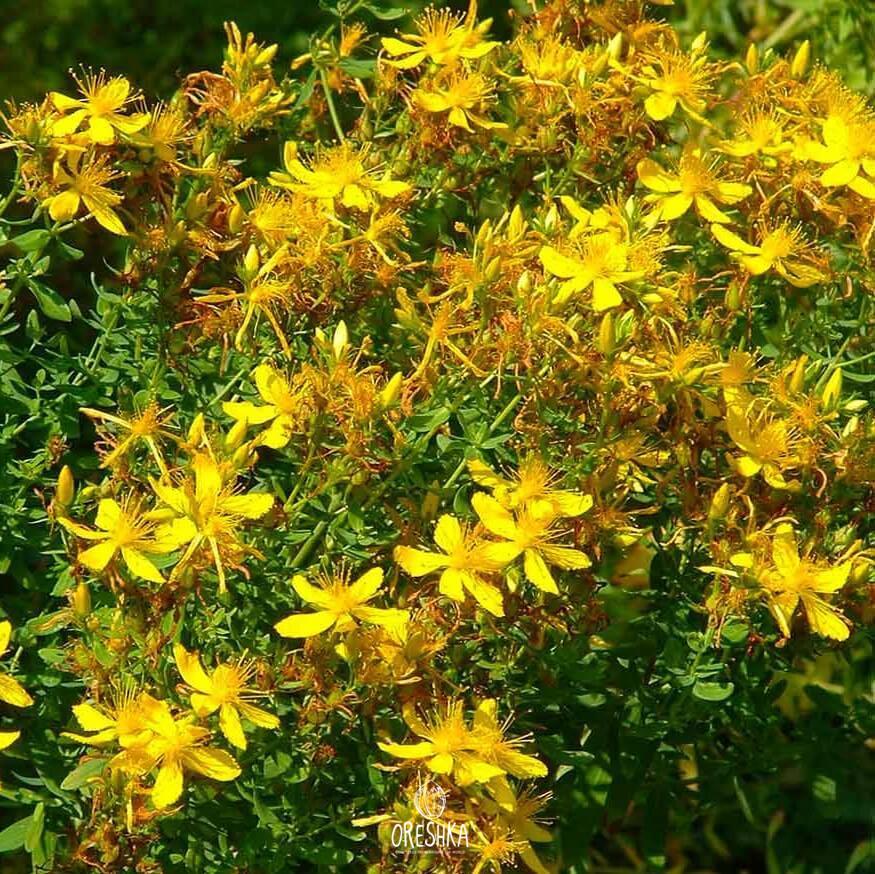
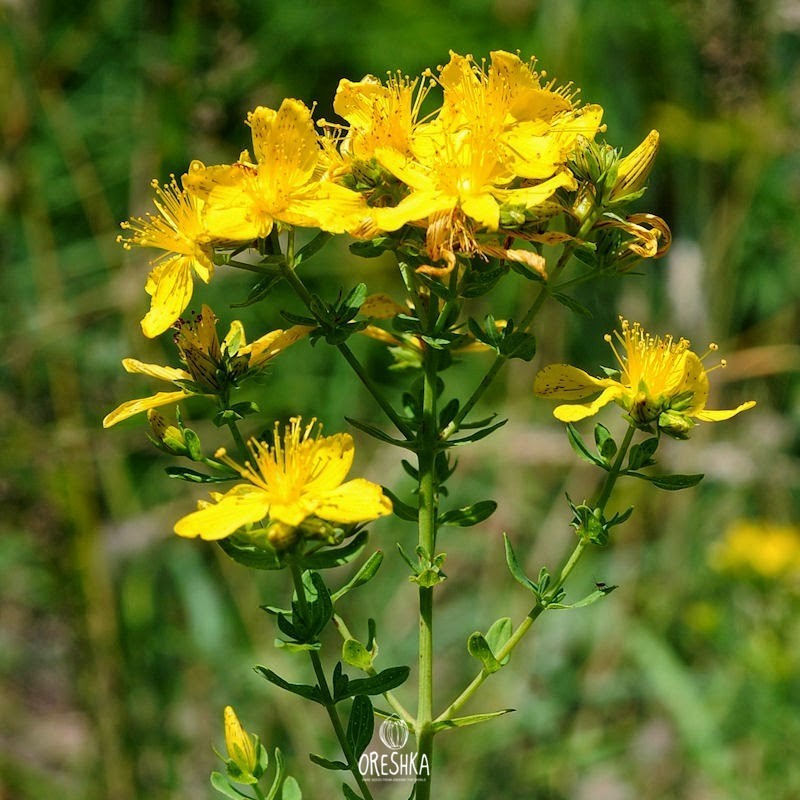
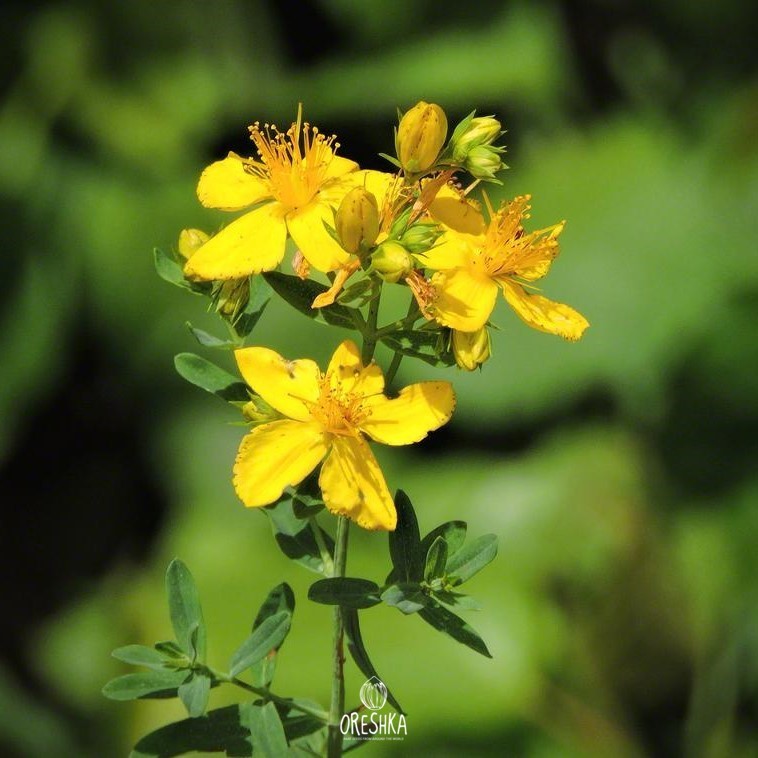
Hypericum perforatum is a perennial herb native to Europe and Western Asia, now naturalised across North America, Australia, and much of the temperate world. It has been used in European medicine for over 2,000 years — Hippocrates documented its use in ancient Greece, and it appears in the herbal records of Dioscorides (1st century AD) as a remedy for nerve complaints and wound healing.
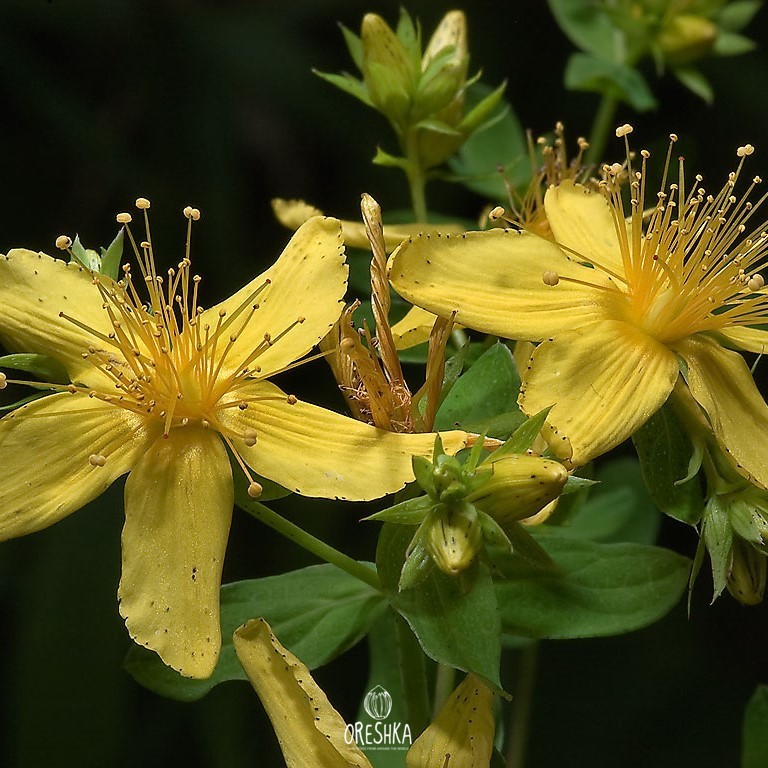
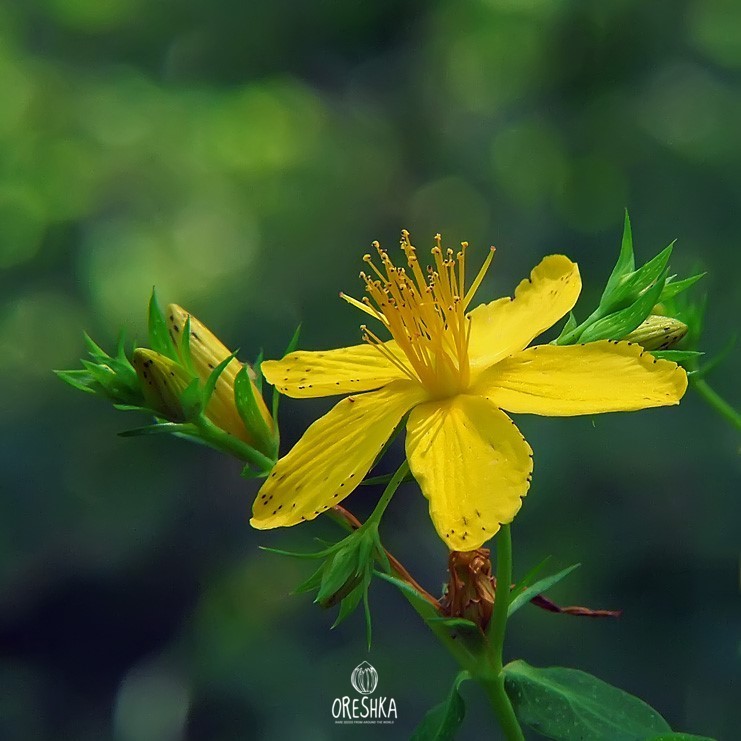
The name perforatum (perforated) describes its most distinctive feature: hold any leaf up to light and you will see hundreds of tiny translucent oil glands that appear as holes punched through the leaf surface. These contain the essential oils and active compounds — hypericin, pseudohypericin, and hyperforin — that give the plant its medicinal properties and its characteristic blood-red oil when crushed.
St John's Wort is one of the easiest medicinal herbs to grow from seed — it requires no cold stratification, germinates in 10–21 days, and naturalises freely once established. A pack of 1000+ seeds gives you the ability to establish a productive medicinal patch, a wildflower meadow strip, or a naturalised bank in a single season.
Heirloom, organic, non-GMO. Seeds collected from wild and cultivated populations with verified botanical identity. Freshness directly affects germination rate. About our collection →
Quick facts
Hypericum perforatum at a Glance
Harvest calendar
When to Harvest — The Hypericin Window
Hypericin and hyperforin content peaks in early July. Harvest too early — low active compounds. Too late — seeds form and potency drops.
Growing guide
How to Grow St John's Wort from Seed — Step by Step
No stratification required. No special soil. One of the easiest medicinal perennials to establish from seed.
- 01 Surface Sow — Seeds Need LightFill shallow trays with fine seed compost and perlite (3:1). Water thoroughly and allow to drain. Press seeds onto the moist surface — do not cover. Hypericum perforatum seeds require light for germination. A thin covering of vermiculite is acceptable, but soil covering reduces germination rate. Cover tray with clear plastic. Keep at 15–20°C — slightly cool temperatures give better results than heat.
- 02 Germination — 10 to 21 DaysSeeds germinate in 10–21 days at 15–20°C — no stratification needed. Maintain consistent moisture but do not waterlog. Provide 12–16 hours of light. Remove the plastic cover gradually when seedlings reach 1–2 cm. Seedlings are tiny at first — resist the urge to water heavily. Good air circulation prevents damping off.
- 03 Prick Out and Pot OnWhen seedlings reach 3–5 cm and have 2–3 true leaves, transplant to individual 7 cm pots. Use lean, well-draining soil — avoid rich compost. Hypericum perforatum grows naturally in poor, dry soils; nitrogen-rich conditions produce lush growth but significantly lower hypericin content. This matters if you are growing for medicinal use.
- 04 Harden Off and Plant OutHarden seedlings over 7–10 days in a cold frame or sheltered outdoor position. Plant out after last frost, 30–45 cm apart. St John's Wort is extremely adaptable — full sun gives maximum flower production and highest active compound levels. It tolerates partial shade but flowers less freely. Once established, it is highly drought-tolerant and needs no irrigation.
- 05 Harvest — The July WindowHarvest when approximately one-third of flowers are fully open and the rest are in bud — typically early to mid-July. The test: pinch a flower bud between your fingers. Red-purple oil staining your fingers confirms peak hypericin content. Harvest the top 10–15 cm of stem including flowers, buds, and leaves. Use scissors or pinch by hand. Dry in a single layer at 35–40°C, or hang in small bundles in a dark, well-ventilated space.
- 06 Long-Term Management — NaturalisingCut stems back by half after flowering to encourage a second flush and control self-seeding. St John's Wort self-seeds freely and spreads by rhizome — a desirable quality for naturalising along meadow edges and field margins, but worth managing in a formal garden. Plants live 5–10+ years. In ideal conditions they form dense, self-sustaining colonies that require no further intervention.
If you are growing St John's Wort for medicinal use, soil richness matters more than most growers realise. Clinical-quality hypericin content requires growing in lean, well-drained, low-nutrient soil — the same conditions the plant naturally favours: roadsides, dry meadow edges, field margins, thin chalky soils. Plants grown in rich garden beds or fed with nitrogen fertiliser produce impressive foliage and flowers, but significantly lower concentrations of active compounds. The finger test before harvest is not optional — colour tells you more than calendar dates. A dry, cool season may push peak harvest to late July; a warm spring can bring it forward to late June.
Compare
Hypericum perforatum vs. Other Medicinal Perennials from Seed
| Feature | Hypericum perforatum St John's Wort · T37 | Echinacea purpurea Purple Coneflower | Valeriana officinalis Valerian |
|---|---|---|---|
| Stratification | None — sow direct | Cold stratification recommended | Cold stratification required |
| Germination time | 10–21 days | 10–21 days after stratification | 14–28 days after stratification |
| First harvest | Year 1 or 2 | Year 2–3 (root) · Year 1 (flower) | Year 2–3 (root harvest) |
| USDA Zone | Zone 3 · −40°C | Zone 3–4 | Zone 4–5 |
| Soil preference | Poor, dry — medicinal quality | Well-drained, moderate fertility | Moist, fertile |
| Seeds per pack | 1000+ PCS · €5.00 | Typically 50–100 PCS | Typically 100–200 PCS |
Avoid these
Common Mistakes When Growing St John's Wort from Seed
Covering seeds with compost
Hypericum perforatum seeds need light to germinate — covering with even a thin layer of compost significantly reduces germination rates. Press seeds onto the moist surface and leave them uncovered. A light dusting of fine vermiculite is acceptable.
Growing in rich soil for medicinal use
Nitrogen-rich, fertile soil produces lush plants with lower hypericin and hyperforin content. For medicinal quality herb, grow in lean, well-drained, low-nutrient soil — matching the plant's natural habitat of dry meadow edges and roadsides.
Harvesting too late
Once most flowers have fully opened and seed pods begin to form, hypericin content drops sharply. The optimal window is early July when roughly one-third of flowers are open. The finger test (reddish-purple oil from crushed bud) is the most reliable indicator.
Not cutting back after flowering
St John's Wort self-seeds aggressively. In a garden setting, cut back stems by half immediately after the main flowering period ends to prevent seed set and encourage a second flush of flowers in August–September.
FAQ
Frequently Asked Questions
Does St John's Wort need cold stratification to germinate?
When is the best time to harvest St John's Wort?
How do I identify the perforations in Hypericum perforatum leaves?
Is St John's Wort invasive?
Can I grow St John's Wort in poor or dry soil?
How much dried herb can I harvest from 1000 seeds?
1000+ Seeds — Establish a Medicinal Patch This Season
Heirloom · Organic · Non-GMO · Zone 3 · No stratification needed · Ships worldwide in 2–3 days
Buy Seeds — €5.00 → Sale −40% · SKU T37 · 1000+ PCS per pack · Hypericum perforatum · Oreshka Seeds