

How to Grow Texas Black Walnut from Seed
Juglans microcarpa · Rock Walnut · Little Walnut · Zone 3 · Limestone Tolerant · 5 Seeds
The only walnut species that survives −40°C — Zone 3 hardy, where Persian and black walnut cannot survive. Native to Texas limestone gorges, up to 2,800 m altitude. Fine-textured feathery compound leaves make it highly decorative in urban settings. Small spherical nuts with high fat content. Straight trunk with distinctive dark grey cracking bark.
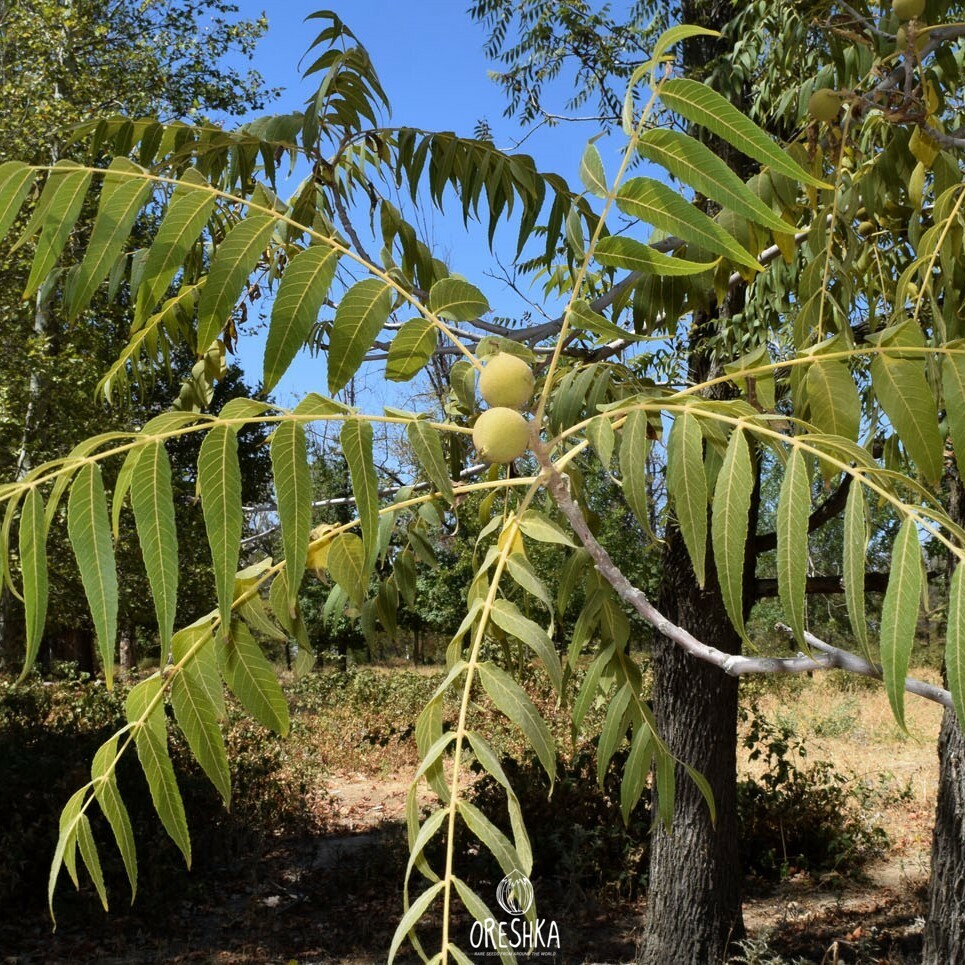
The species
Juglans microcarpa — The Walnut That Grows Where No Other Walnut Survives
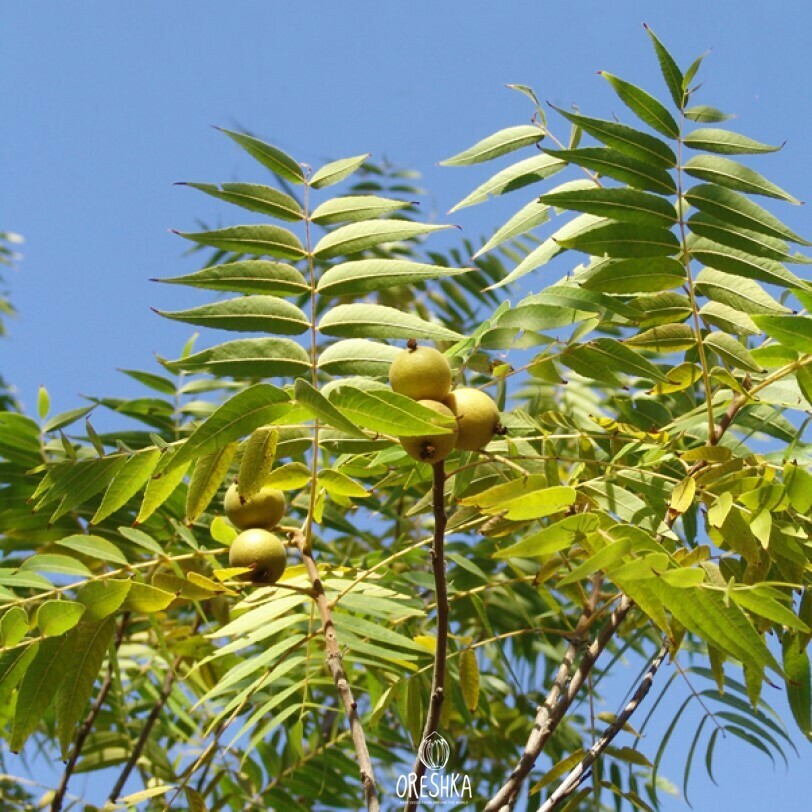
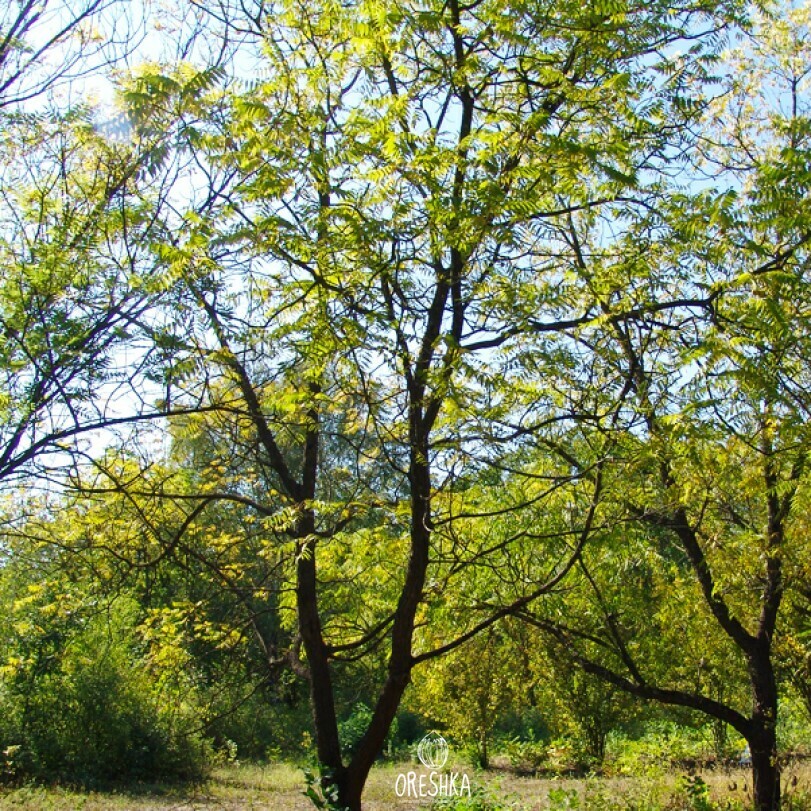
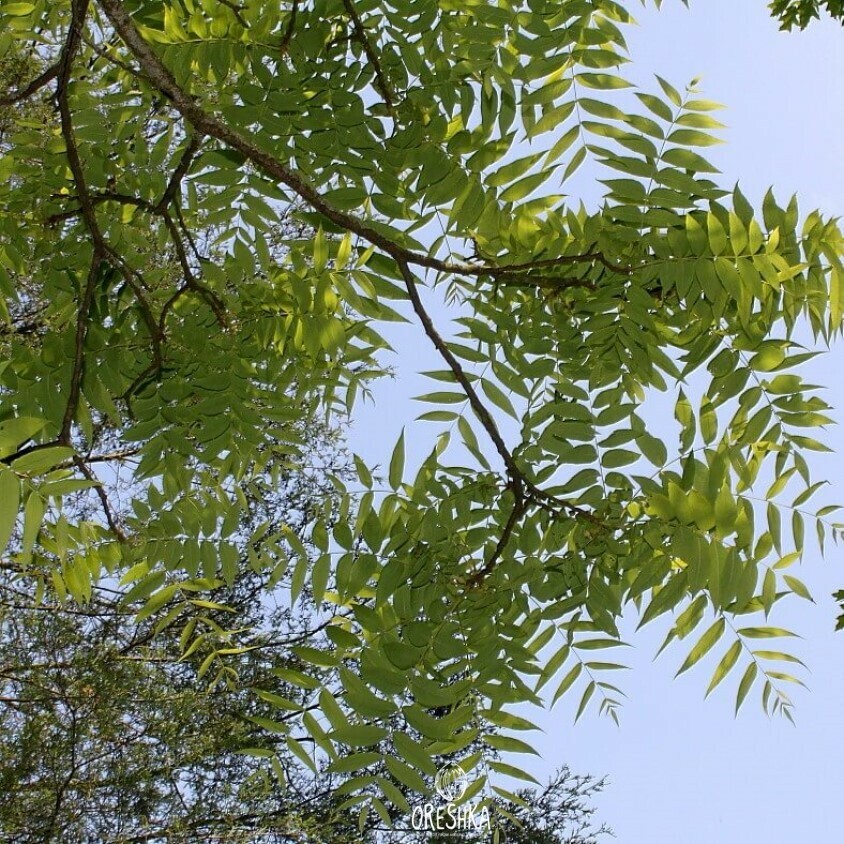
Juglans microcarpa (Texas black walnut, rock walnut, little walnut) is a native North American walnut species from the Texas hill country and northern Mexico — a tree of deep limestone gorges, calcareous soils, river banks, and mountain slopes reaching 2,800 m elevation. It reaches 20 m and 1.5 m trunk diameter in optimal conditions — more typically 6–10 m as a small tree on its preferred thin, rocky, alkaline substrates. The trunk is straight with distinctive dark gray cracking bark. Shoots are brownish, pubescent. The compound pinnate leaves (up to 25 cm with 11–23 narrow lanceolate leaflets) give a fine-textured, feathery canopy different from all other walnut species.
Its defining horticultural value is cold hardiness: −40°C (Zone 3) — the only walnut species that functions in Zone 3–4 climates where Persian walnut (Zone 5–6) and eastern black walnut (Zone 4–5) cannot survive. For cold-climate gardeners in northern Europe, Canada, and Siberia who want walnut family trees, Juglans microcarpa is the sole viable option. The species is also described as 'of particular interest as an original highly decorative tree for the green construction of populated areas' — the feathery compound foliage creates an elegant canopy texture unique among hardy trees.
5 fresh seeds. Cold stratification 90–120 days mandatory. Deep containers 30 cm+. Tolerates limestone soil. Zone 3 −40°C only walnut for cold climates. About our collection →
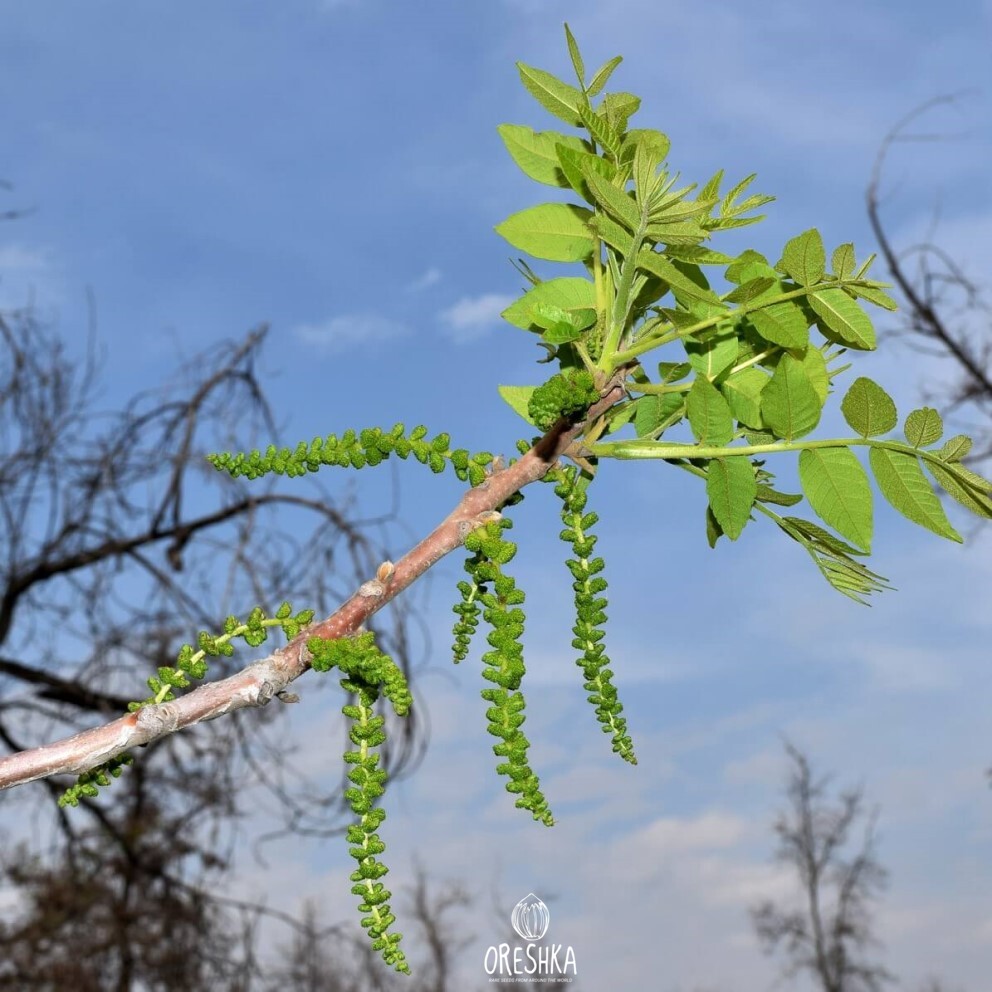
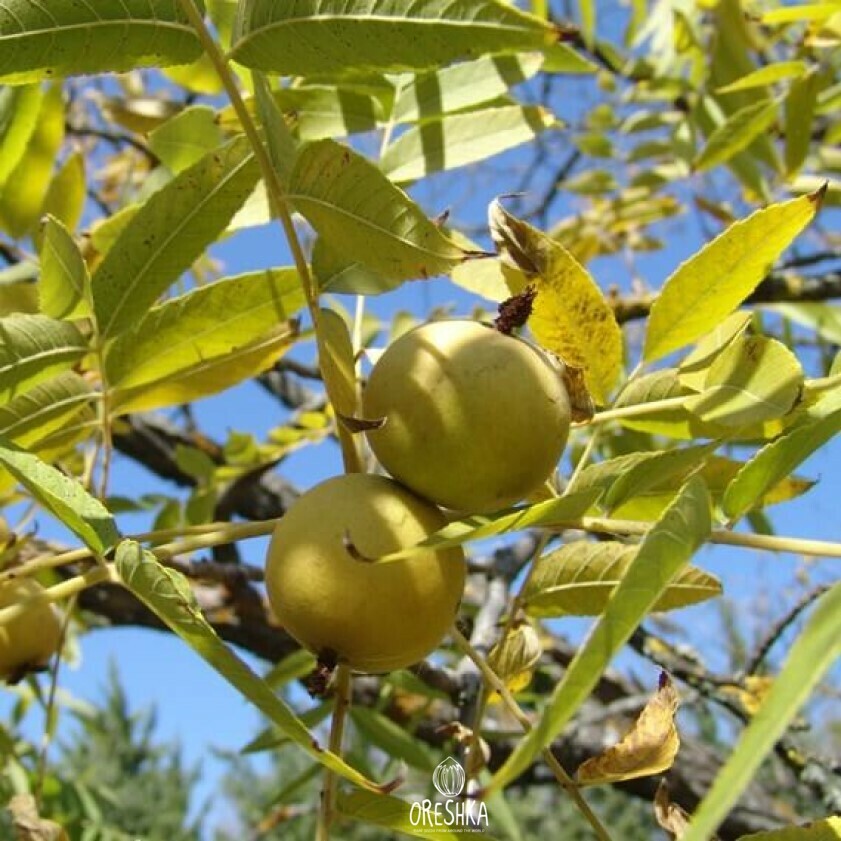
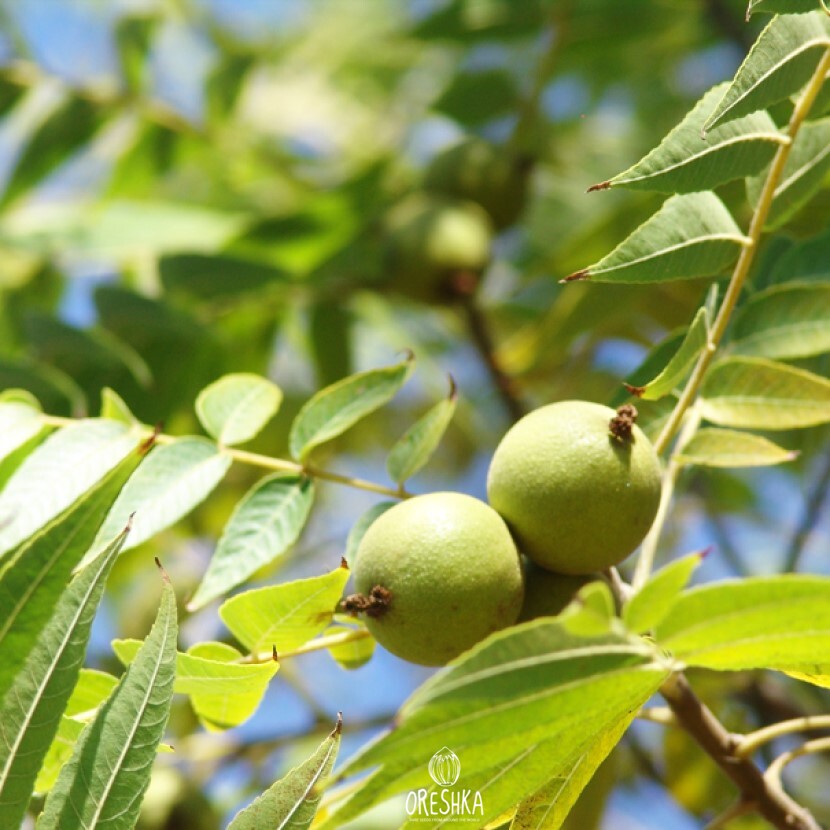
Quick facts
Juglans microcarpa at a Glance
Growing guide
How to Grow Texas Black Walnut from Seed — Step by Step
- 01Cold Stratification — 90 to 120 DaysMix fresh nuts in damp sand or vermiculite in a sealed bag, refrigerate at 2–5°C for 90–120 days. Check monthly — sow when root tips appear. All walnuts require cold stratification; the thick-cored dark-brown shell requires adequate cold treatment for embryo readiness. Stratify all 5 seeds from the pack simultaneously for one efficient refrigeration cycle. Do not allow to dry or freeze.
- 02Sow 5–8 cm Deep — 30 cm Containers MinimumAll walnuts have vigorous taproots from year 1. Sow stratified nuts 5–8 cm deep in deep root trainers (30 cm) or directly in-ground. Standard shallow seedling trays are unsuitable. In-ground sowing in a nursery row or final position avoids container limitation entirely and is the simplest approach. Protect from squirrels — walnuts are highly attractive to foraging rodents.
- 03Full Sun — Drought Tolerant Once EstablishedJuglans microcarpa needs full sun. Grow on in the sunniest position available. In year 1, water regularly while the taproot establishes. From year 2–3, established specimens are drought-tolerant — their deep, powerful root system reaches moisture independently. Do not over-water established trees; the species is adapted to dry conditions and excess moisture on poor-draining soils can cause root problems.
- 04Calcareous Soil Is Fine — No Acidifying RequiredJuglans microcarpa's native limestone habitat makes it naturally tolerant of calcareous, alkaline soils — a significant advantage in gardens on chalk or limestone where Juglans regia and Juglans nigra would show lime-induced chlorosis (yellowing from iron deficiency). No soil acidification is needed. Standard garden soil of any pH suits this species. Rocky, thin, poor soils are entirely acceptable once established.
- 05Plant in Final Position by Year 2 — Taproot Develops FastMove container-grown seedlings to the final in-ground position by the end of year 1 or spring of year 2 before the taproot fills the container. The tree needs minimal aftercare once in-ground — occasional deep watering in the first 2 years, a mulch layer over the root zone, and a stake for the first 2–3 years to prevent wind rock in exposed positions. No regular pruning required; Juglans microcarpa naturally forms a well-structured crown.
- 06Zone 3 Cold Hardiness — Winter Needs No ProtectionOnce established, Juglans microcarpa requires no winter protection in Zone 3 (−40°C) climates. The species is naturally adapted to significant temperature extremes from its mountain and gorge habitat. No wrapping, no mulching for frost protection, no overwintering in shelters — plant in-ground and it survives whatever winter delivers in temperate or cold-continental climates. This is the practical value of Zone 3 hardiness in a genus where most species require Zone 5 or milder conditions.
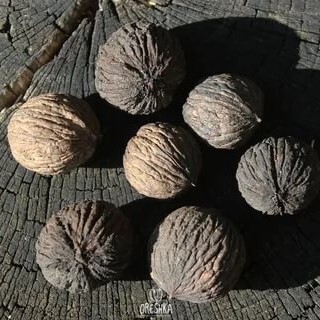
Juglans microcarpa's thick, grooved shell requires patience and the right tool — a standard nutcracker designed for walnuts or hazelnuts is often insufficient for the very hard thick-cored shell. The most reliable method: use a bench vise or a large flat stone, placing the nut on its natural seam line (the groove) and applying firm, even pressure. Alternatively, a purpose-built nut-cracking tool with adjustable jaw pressure works well. Once cracked along the groove, the halves separate cleanly and the kernel — genuine walnut flavour, high fat content — can be extracted with a pick. The small size (1.5–2 cm) means many nuts per session are needed for a significant quantity of kernel, but the flavour reward of these wild-type walnuts is characterful and richer than commercial varieties.
Compare
Juglans microcarpa vs. Juglans regia vs. Juglans nigra
| Feature | J. microcarpa · Texas O5b · Oreshka Seeds | Juglans regia Persian / Common Walnut | Juglans nigra Eastern Black Walnut |
|---|---|---|---|
| Cold hardiness | Zone 3 · −40°C · only walnut | Zone 5 · −29°C | Zone 4 · −34°C |
| Nut size | 1.5–2 cm · small spherical | 4–6 cm · large commercial | 3–5 cm · medium |
| Shell | Thick-cored · grooved · hard | Thin · easily cracked | Very thick · very hard |
| Soil | Calcareous · limestone · rocky | Deep, rich, neutral | Deep, acid, moist preferred |
| Size | 10–20 m · elegant compact | 20–35 m · large | 30–40 m · very large |
| Ornamental | Highly decorative · feathery | Good · bold leaves | Good · large canopy |
Avoid these
Common Mistakes When Growing Juglans microcarpa
Shallow containers — taproot distortion
Walnuts develop vigorous taproots from the first season. Standard 10 cm seedling trays or small pots cause severe taproot coiling and permanent growth restriction. Use deep root trainers (30 cm) or sow directly in-ground. Move to permanent in-ground position by end of year 1 before the taproot fills the container.
Over-watering established trees
Juglans microcarpa is adapted to dry, rocky, well-drained limestone soils. Established trees (year 3+) should not be watered except in extreme drought — their deep taproot system finds water independently. Consistently wet soil around established trees, particularly on poorly draining ground, can cause root rot and decline. Water freely only in year 1 while the taproot establishes.
Expecting commercial walnut-sized nuts
Juglans microcarpa is the 'small-fruited walnut' — 1.5–2 cm spherical nuts are the norm. They have genuine walnut flavour and high fat content but are not a substitute for commercial Persian walnut production. The tree is planted primarily for ornamental value and Zone 3 cold hardiness — the nuts are a bonus. Do not plant expecting a commercial walnut harvest.
Skipping stratification because the shell is hard
The thick-cored, grooved dark-brown shell does not eliminate the need for cold stratification — the dormancy is in the embryo, not the shell. Without 90–120 days at 2–5°C in damp conditions, germination is delayed by a full year or fails entirely. The stratification is mandatory regardless of how hard the shell appears.
FAQ
Frequently Asked Questions
What is Juglans microcarpa vs. common walnut?
Can it really survive −40°C?
Are the nuts edible?
How big does it get?
Does it tolerate alkaline soil?
Is it ornamental?
The Only Zone 3 Walnut — −40°C Hardy, Limestone Soil, Highly Decorative
5 fresh seeds · Zone 3 · −40°C · Calcareous soil tolerant · 10–20 m · Feathery compound leaves · Ships worldwide
Buy Seeds — €6.25 → Sale −40% · SKU O5b · 5 PCS · Juglans microcarpa · Texas Black Walnut · Oreshka Seeds