

How to Grow Tree Peony from Seed
Paeonia suffruticosa — Mu Dan
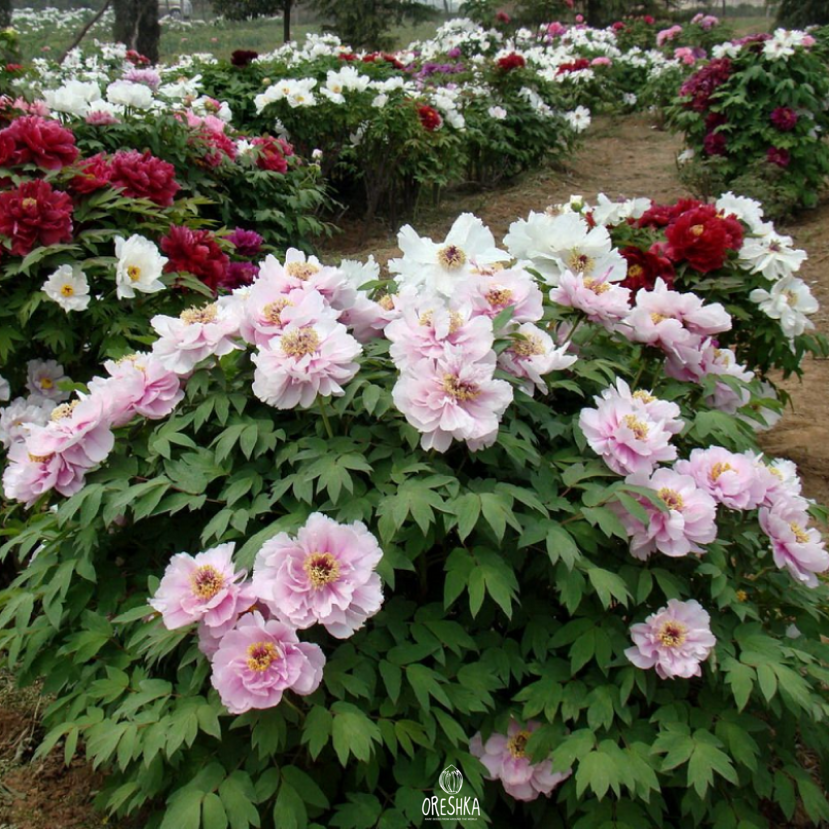
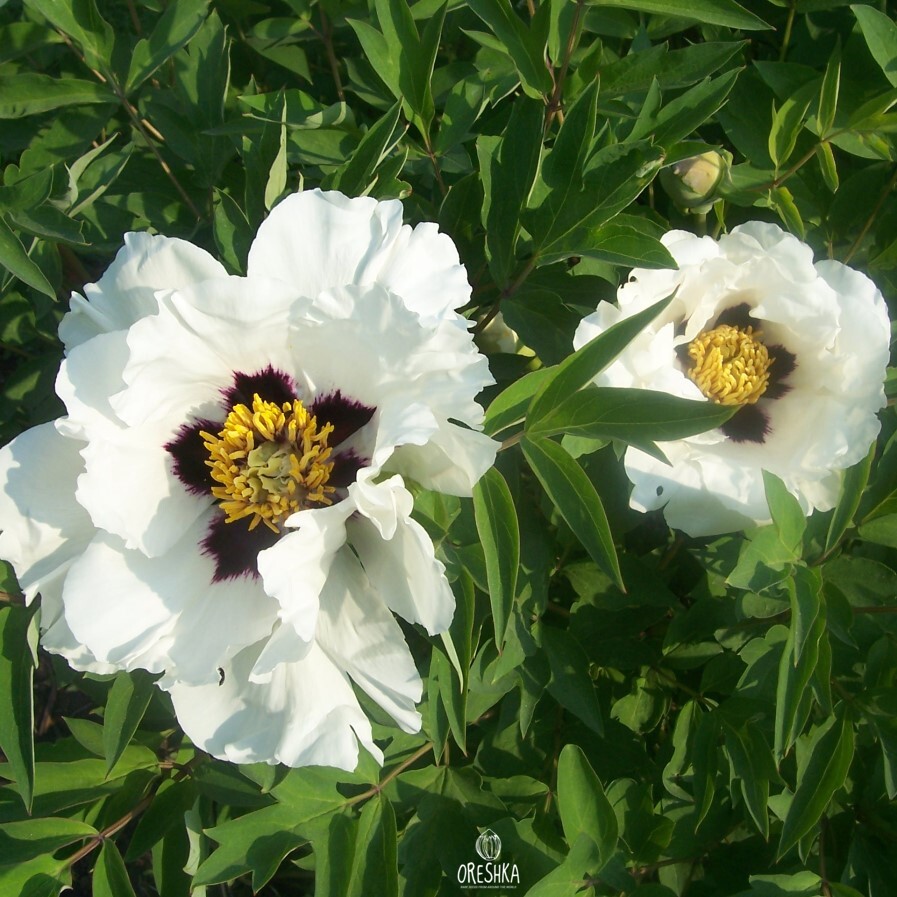
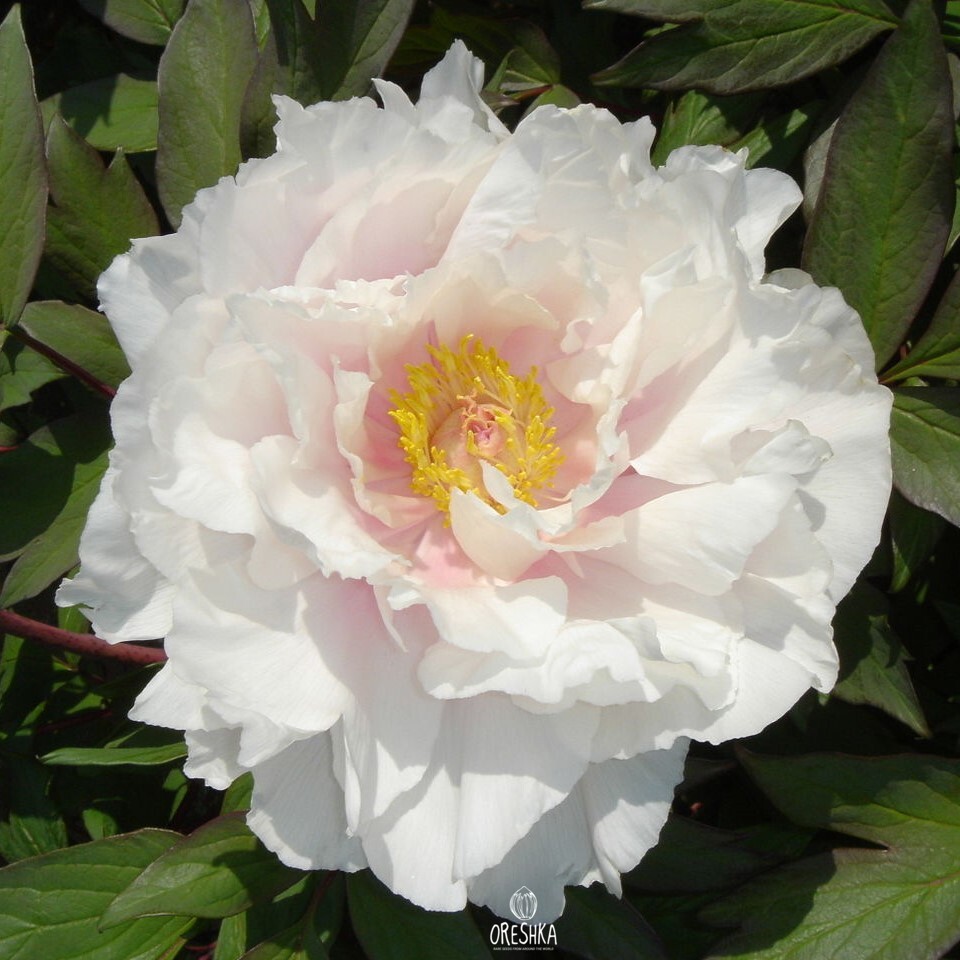
Cultivated in China for over 1,500 years. Flowers up to 30 cm across. Plants documented flowering for 400+ years in Chinese monastery gardens. One of the longest-lived flowering shrubs on Earth.
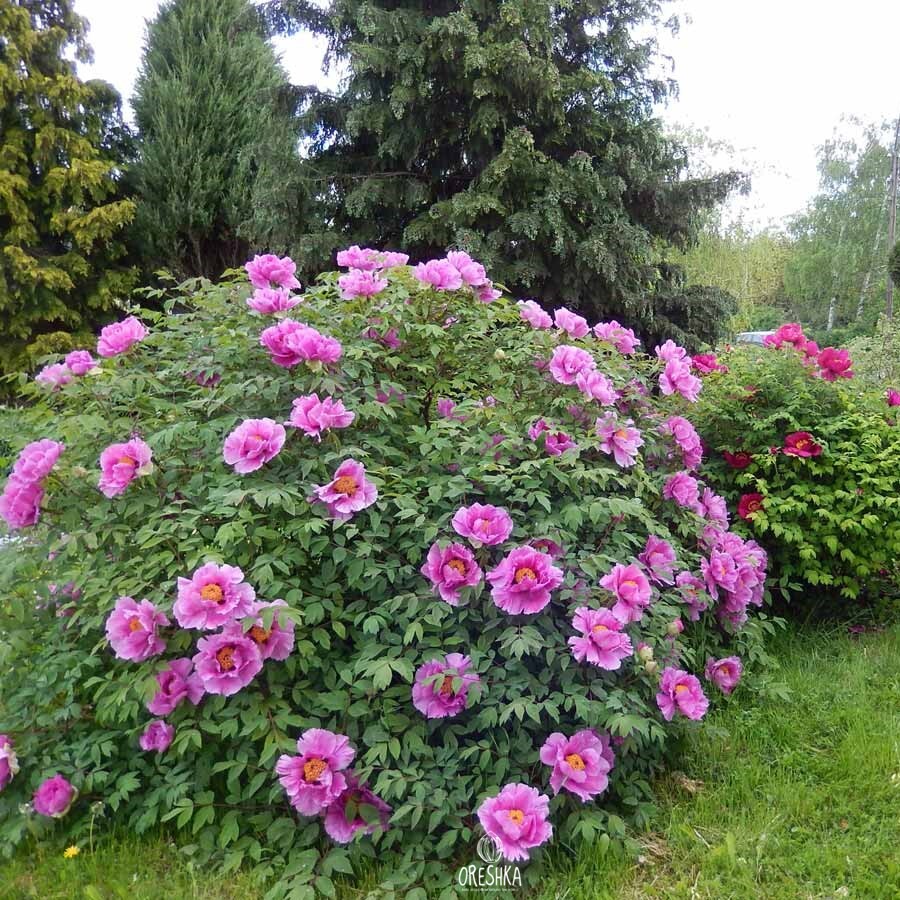
The plant
What is Tree Peony — the King of Flowers?
Paeonia suffruticosa is not a herbaceous perennial that dies back every winter — it is a true woody shrub, building a permanent framework of branches that persists above ground for centuries. In China, where it has been cultivated for over 1,500 years, it is called Mu Dan (牡丹) — the King of Flowers — and has been associated with imperial power, prosperity, and feminine beauty since the Tang Dynasty (618–907 AD).
During the Tang Dynasty's Tree Peony fever, rare varieties of Paeonia suffruticosa commanded prices equivalent to a full year's wages for a skilled craftsman. The city of Luoyang in Henan province became the centre of Tree Peony cultivation and still hosts an annual festival drawing millions of visitors each April. Some monastery specimens in Luoyang are documented at over 400 years old — and still flowering annually.
Despite its reputation for slowness from seed — it takes 4–6 years to first flower — Tree Peony is genuinely one of the best long-term investments in the garden. Once established in its permanent position, it requires almost no care, never needs dividing, and blooms reliably every May for the rest of your life and beyond.
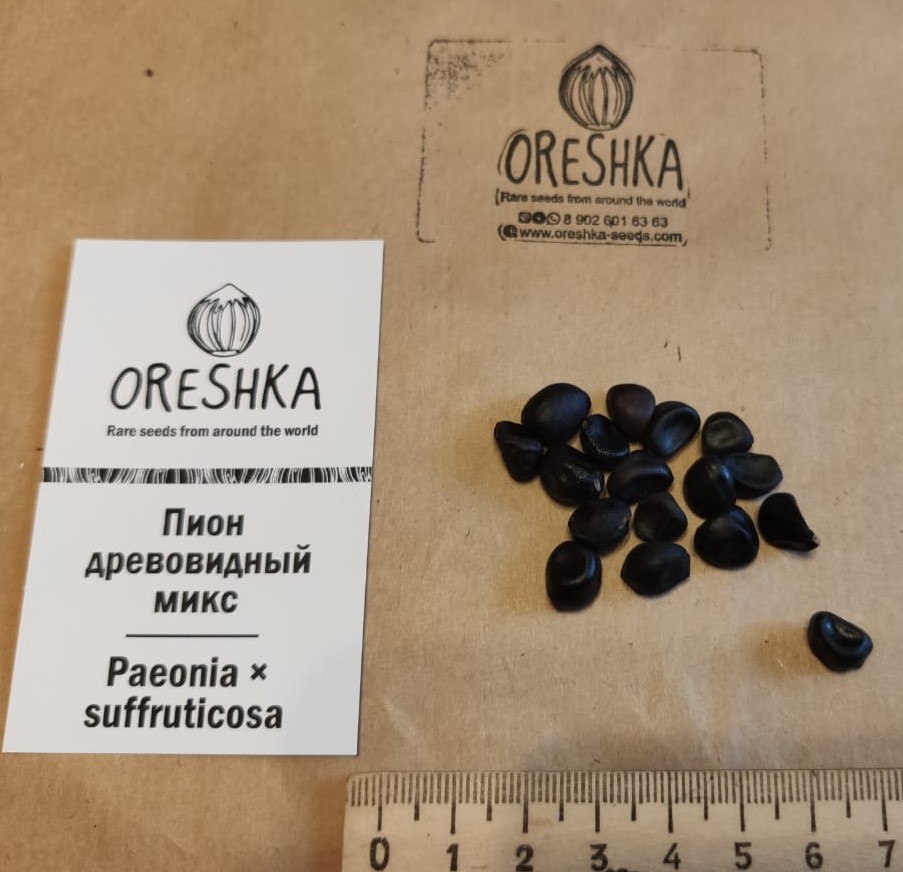
Fresh seeds are critical — Tree Peony seeds lose viability rapidly after harvest. Begin double-dormancy stratification immediately on receipt. Do not store at room temperature. About our collection →
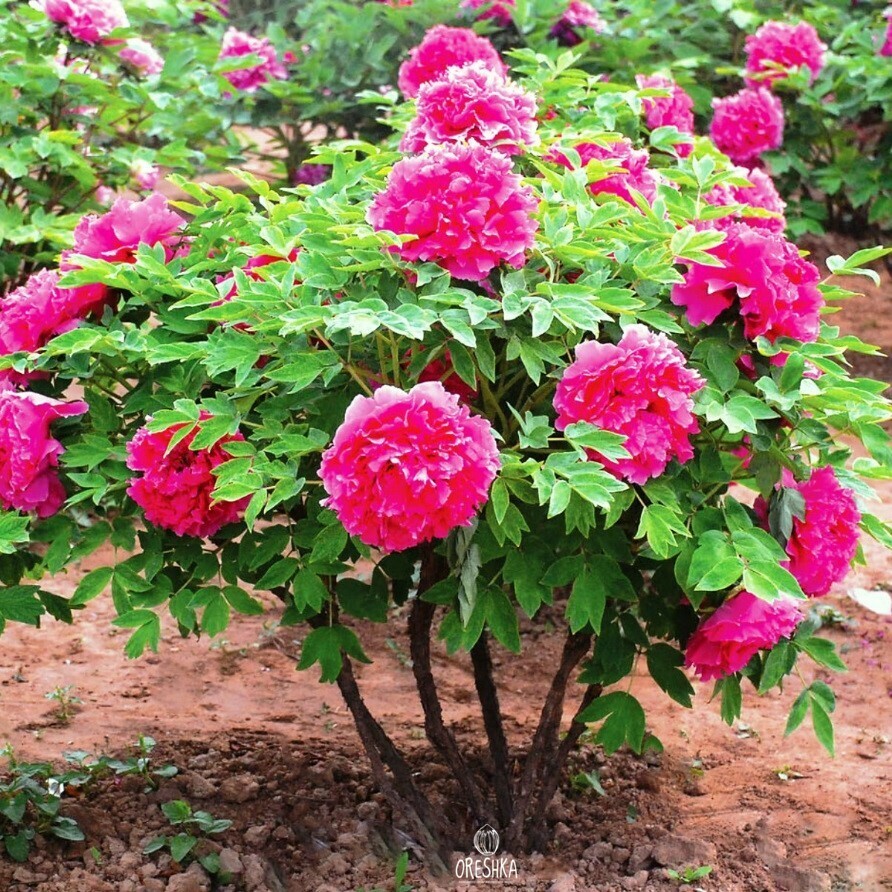
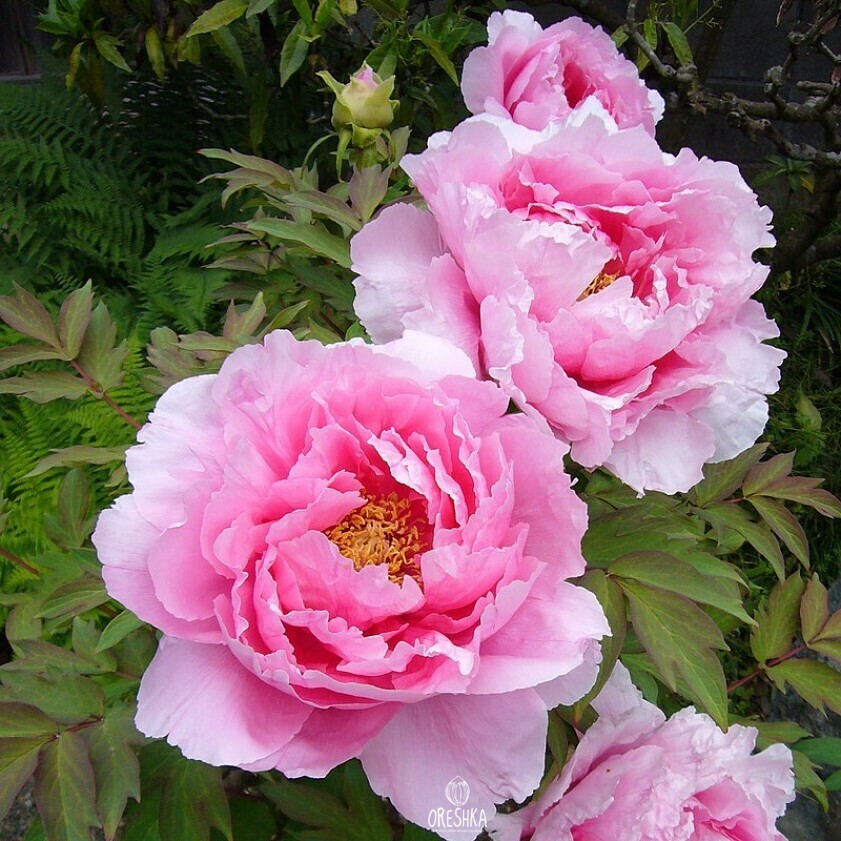
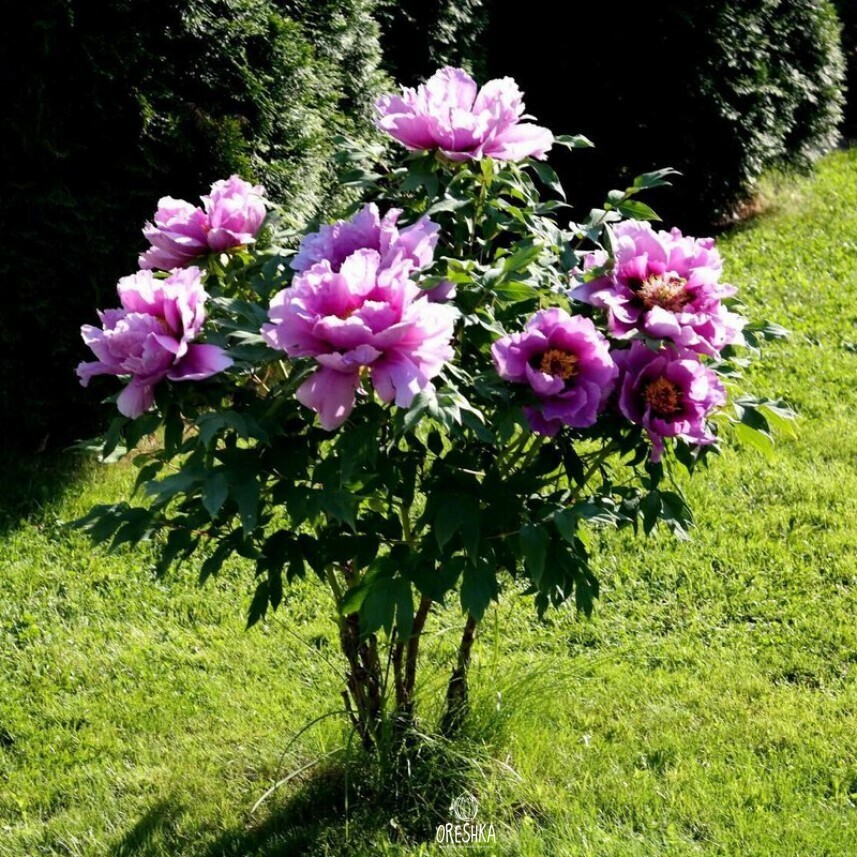
Quick facts
Paeonia suffruticosa at a Glance
What to expect
Year by Year — The Tree Peony Calendar
The double dormancy stratification begins before sowing — plan for 5–6 months of preparation before the seed even goes in the ground.
Growing guide
How to Grow Tree Peony from Seed — Step by Step
Total pre-sowing time: 5–6 months. Two mandatory stratification stages — warm then cold. Do not skip either.
- 01 Warm Stratification — First Stage (10–12 Weeks)Mix seeds with lightly moist peat or vermiculite in a sealed zip bag. Keep at 20–25°C for 10–12 weeks — room temperature is fine. The root (radicle) develops during this stage. No shoot will emerge yet. Check every 2–3 weeks: medium stays barely moist. Seeds that turn soft or smell off — discard. This stage cannot be shortened.
- 02 Cold Stratification — Second Stage (10–12 Weeks)After the warm stage, transfer the bag to the refrigerator at 2–5°C for 10–12 weeks. The shoot (epicotyl) develops during this stage. After 8–10 weeks, check weekly — tiny pale shoot tips emerging from seeds signal they are ready to sow. Sow immediately at that point; do not let them dry out.
- 03 Sowing — 3 to 4 cm DeepUse deep individual pots (minimum 15 cm depth) — the taproot needs space from day one. Soil mix: loam, peat, coarse grit (1:1:1), pH 6.5–7.5. Tree Peonies prefer neutral to mildly alkaline conditions. Plant seeds 3–4 cm deep. Water in and keep at 15–18°C. Shoots emerge in 3–6 weeks. Avoid overwatering — crown rot at this stage is fatal.
- 04 Years One and Two — Building the RootYear one: 1–2 compound leaves. Year two: small rosette, woody stem forming at base. Both years: keep in pots in a sheltered, partly shaded position outdoors in summer. Water when the top 2 cm of soil dries. Feed monthly with a low-nitrogen, high-potassium fertiliser (such as tomato feed). Never let roots sit in waterlogged soil.
- 05 Planting Out — Third Year, Permanent PositionChoose the final position with care — moving an established Tree Peony sets it back by years. Full sun (6+ hours daily), neutral to slightly alkaline soil (pH 6.5–7.5), excellent drainage, deep soil. Plant in autumn. The graft union or crown must sit 10–15 cm below soil level — this is the single most important planting instruction, critical for cold hardiness and longevity. Space 1.5–2 m from neighbouring plants.
- 06 First Flowering and BeyondFirst flowers appear in year 4–6. Early blooms may be smaller than mature plant flowers — this is normal. By year 8–10, a well-established plant produces 20–50+ flowers per season, each up to 30 cm across. Colours in this mix: white, soft pink, deep pink, red, red-purple — each seedling is genetically unique and a surprise. Once established, leave the plant completely undisturbed. Do not divide — Tree Peonies resent root disturbance.
The planting depth of the crown is the single most critical factor that most Western growers get wrong. Tree Peony guides written for mild climates often say "plant at the same depth as the pot." This is wrong for Zone 4–6 climates. Plant the crown or graft union 10–15 cm below soil level. This depth protects the crown from winter freeze-thaw cycles and also stimulates the plant to produce its own roots below the graft, making it stronger and longer-lived. Shallow planting is the leading cause of early Tree Peony failure in cold climates — and the reason plants that seem fine for 2–3 years suddenly die after a hard winter.
Compare
Tree Peony vs. Herbaceous Peony vs. Intersectional (Itoh) Peony
| Feature | Paeonia suffruticosa Tree Peony · C2 | Paeonia lactiflora Herbaceous Peony | Itoh Hybrid Intersectional Peony |
|---|---|---|---|
| Above-ground structure | Permanent woody shrub | Dies back to ground each winter | Dies back to ground each winter |
| Lifespan | 100–400+ years documented | 20–50 years | 20–40 years |
| Flower size | Up to 30 cm | 10–18 cm | 15–25 cm |
| USDA Zone | Zone 4 · deep planting required | Zone 3 · easier | Zone 4–5 |
| Time to first flower | 4–6 years from seed | 2–3 years from seed | Division only · 1–2 years |
| Needs dividing? | Never — resents disturbance | Every 10–15 years | Every 10–15 years |
Avoid these
Common Mistakes When Growing Tree Peony from Seed
Skipping or shortening the warm stratification stage
Going directly to cold stratification means the seed's root dormancy is never broken — the seed simply sits dormant. Both stages are mandatory. The warm stage cannot be replaced by soaking in warm water or any other shortcut.
Planting the crown at soil level
In cold climates (Zone 4–6), shallow planting exposes the crown to freeze-thaw cycles that gradually kill the plant. Crown must be 10–15 cm below soil level. This is also the key to the plant producing its own roots below the graft, increasing longevity dramatically.
Moving the plant once established
Tree Peony deeply resents root disturbance. Transplanting a flowering-size plant (3+ years) sets back flowering by 2–4 years and sometimes kills the plant. Choose the permanent position before planting and commit to it.
Planting in acidic soil
Unlike most garden plants, Tree Peony prefers neutral to slightly alkaline soil (pH 6.5–7.5). Acidic soil (pH below 6.0) inhibits nutrient uptake and weakens flowering. Add lime if your soil is acidic before planting.
Expecting flowers in year one or two
Year one from seed produces a single leaf. Year two a small rosette. This is completely normal and does not indicate a problem. Impatient growers who discard "non-performing" plants at 2 years are throwing away what would have become 100-year flowering shrubs.
FAQ
Frequently Asked Questions
How long does it take to grow Tree Peony from seed to first flower?
Can I grow Tree Peony from seed in cold climates — Zone 4 or 5?
Why does Tree Peony need double dormancy stratification?
What colours will I get from the mix seeds?
What is the difference between Tree Peony and Herbaceous Peony?
Why is Tree Peony called the King of Flowers in China?
Grow a Plant That Outlives You
5 fresh seeds · Mix of white, pink, red, red-purple · Zone 4 · Ships worldwide · 400-year lifespan documented
Buy Seeds — €6.38 → Sale −40% · SKU C2 · 5 PCS per pack · Paeonia suffruticosa Mix · Oreshka Seeds