

How to Grow Blackberry from Seed
Rubus fruticosus — Common Blackberry
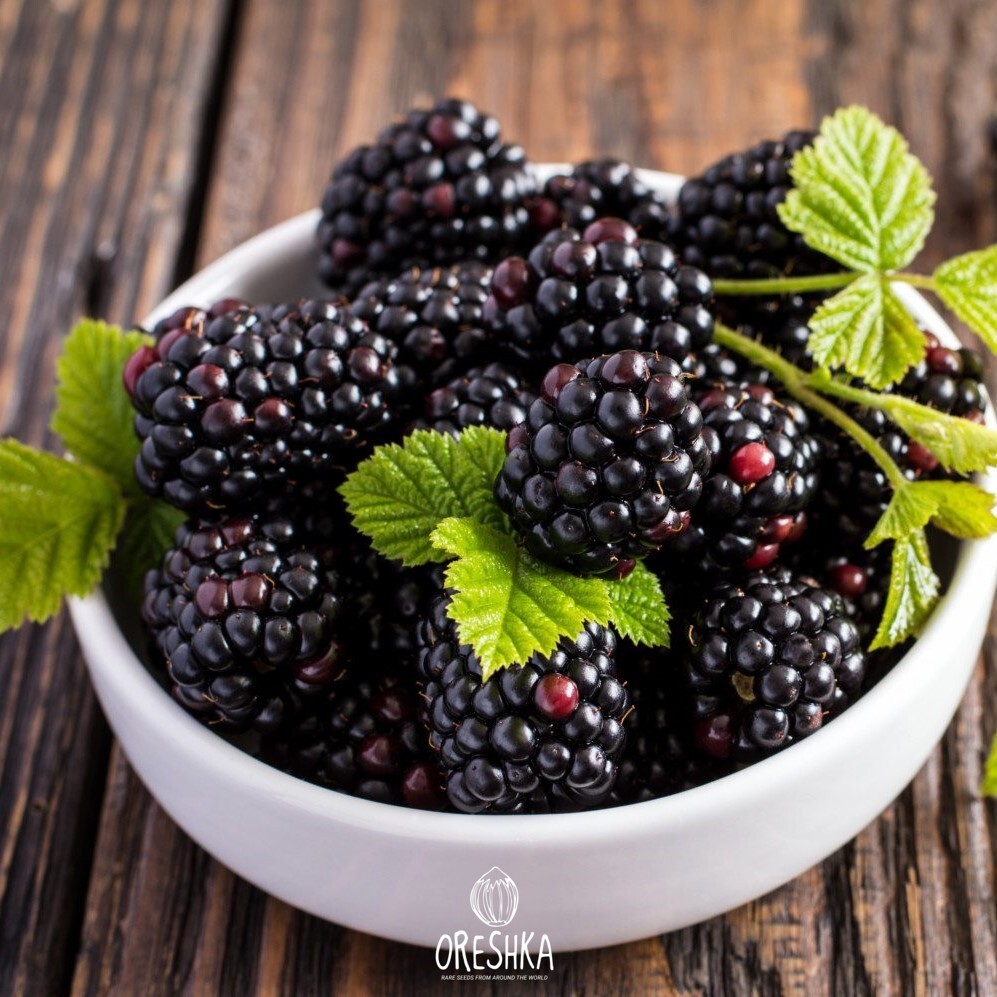
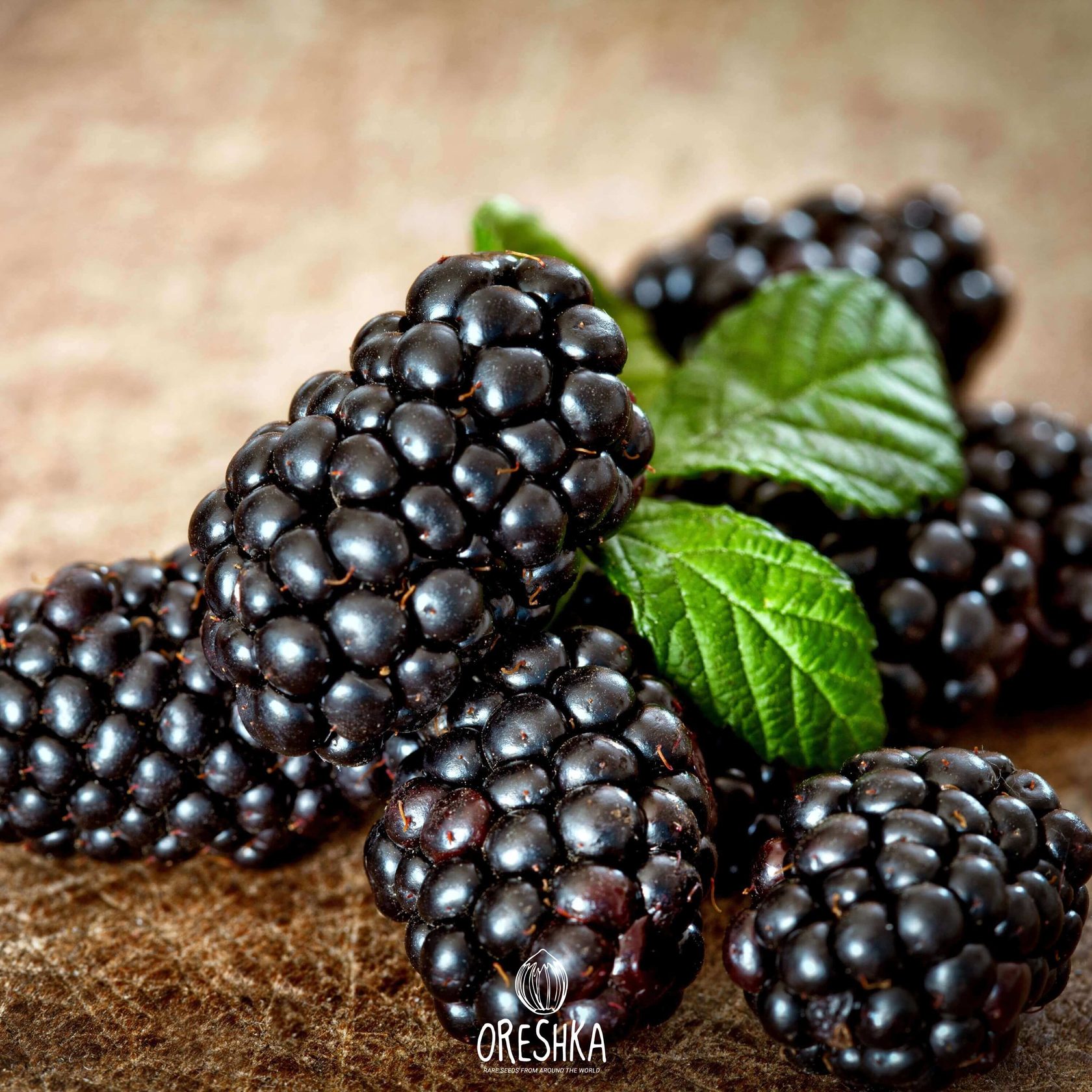
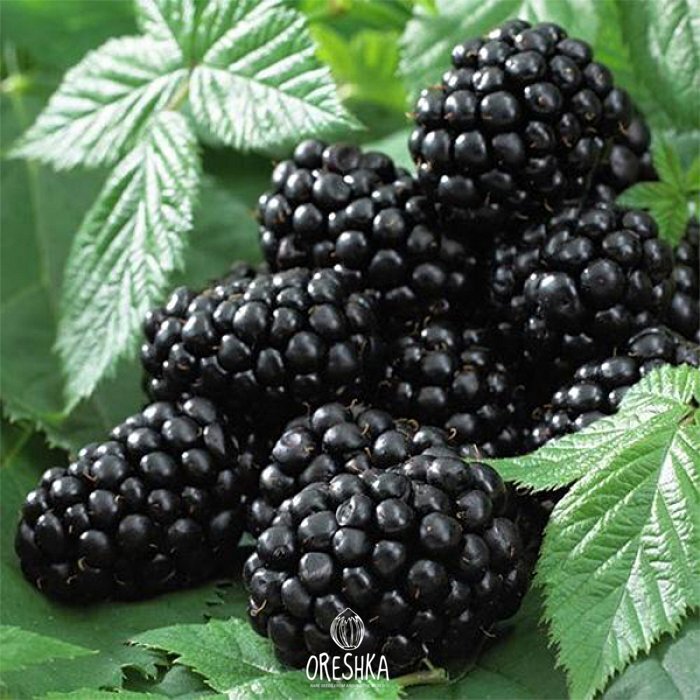
The most productive wild berry for temperate gardens — 3–8 kg per plant per year from year two. Biennial cane system means year one builds roots, year two delivers fruit. Zone 4 hardy, tolerates almost any soil, self-sufficient once established.
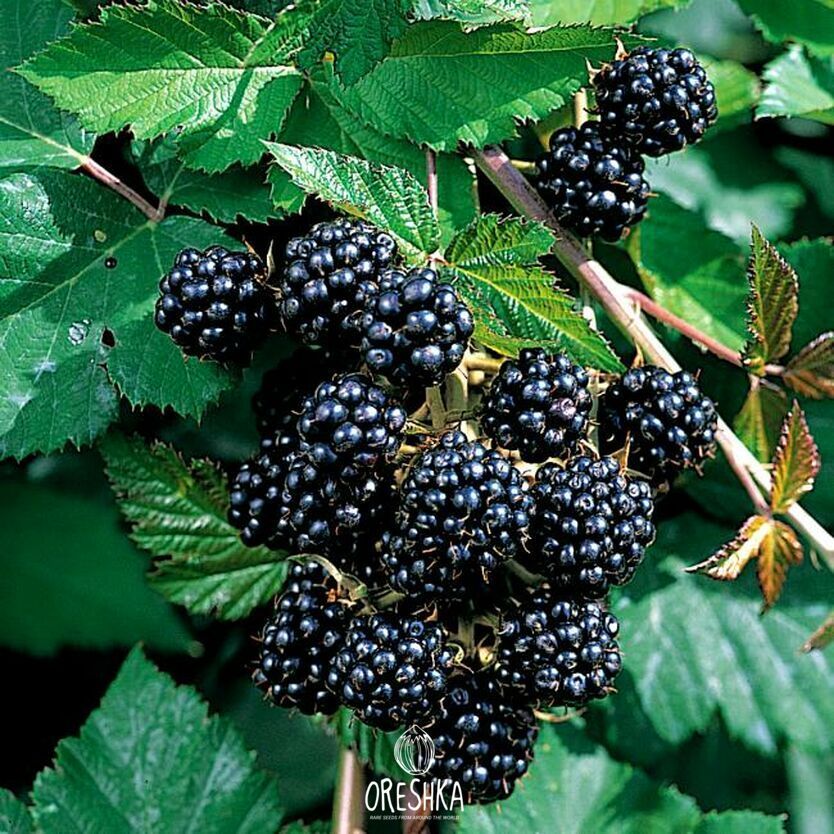
The plant
What is Blackberry — and Why is the Biennial Cane Cycle the Key to Growing It?
Rubus fruticosus is a vigorous, thorny, arching shrub native across Europe, western Asia, and naturalised worldwide. Its above-ground structure is biennial — the root system is perennial and permanent, but each individual cane lives for exactly two years. Understanding this cycle transforms blackberry growing from a frustrating tangle into a highly productive system.
Year-one canes (primocanes) are thick, fast-growing, and produce no fruit. They are the investment. Year-two canes (floricanes) produce laterals, flowers, and fruit from July to September, then die. Cut them to the base after fruiting and the new primocanes replace them for next year's crop. A well-managed blackberry produces 3–8 kg of fruit per plant per year — more than any other temperate berry per unit area.
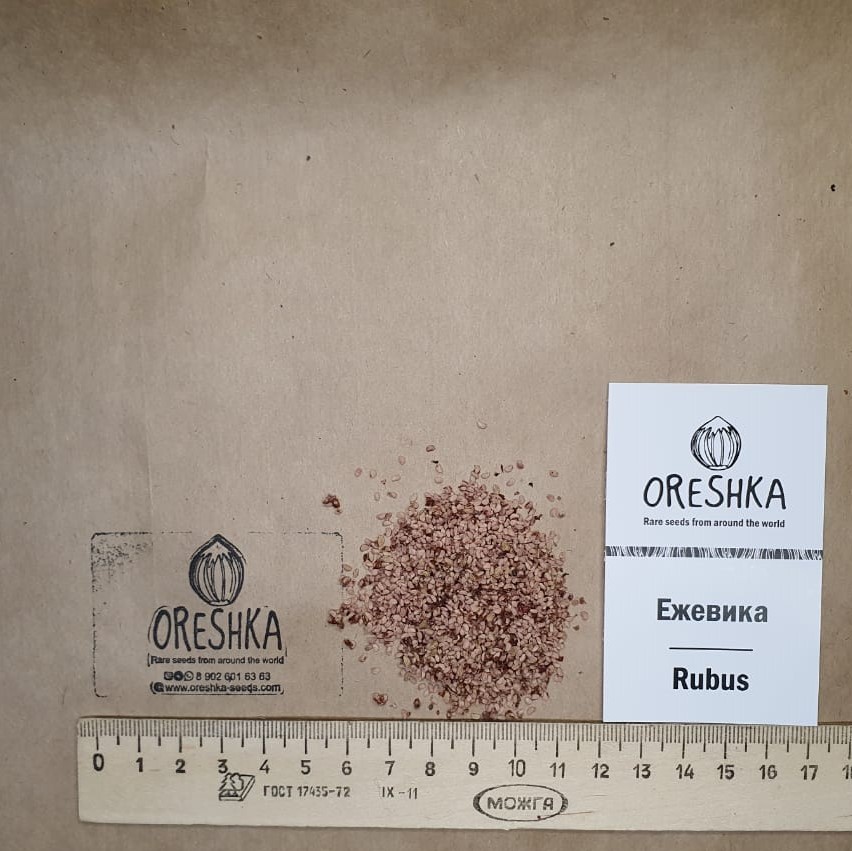
Cold stratification 4–6 weeks at 2–4°C before sowing — do not skip. Seed-grown blackberries show healthy variation in vigour and fruit size. About our collection →
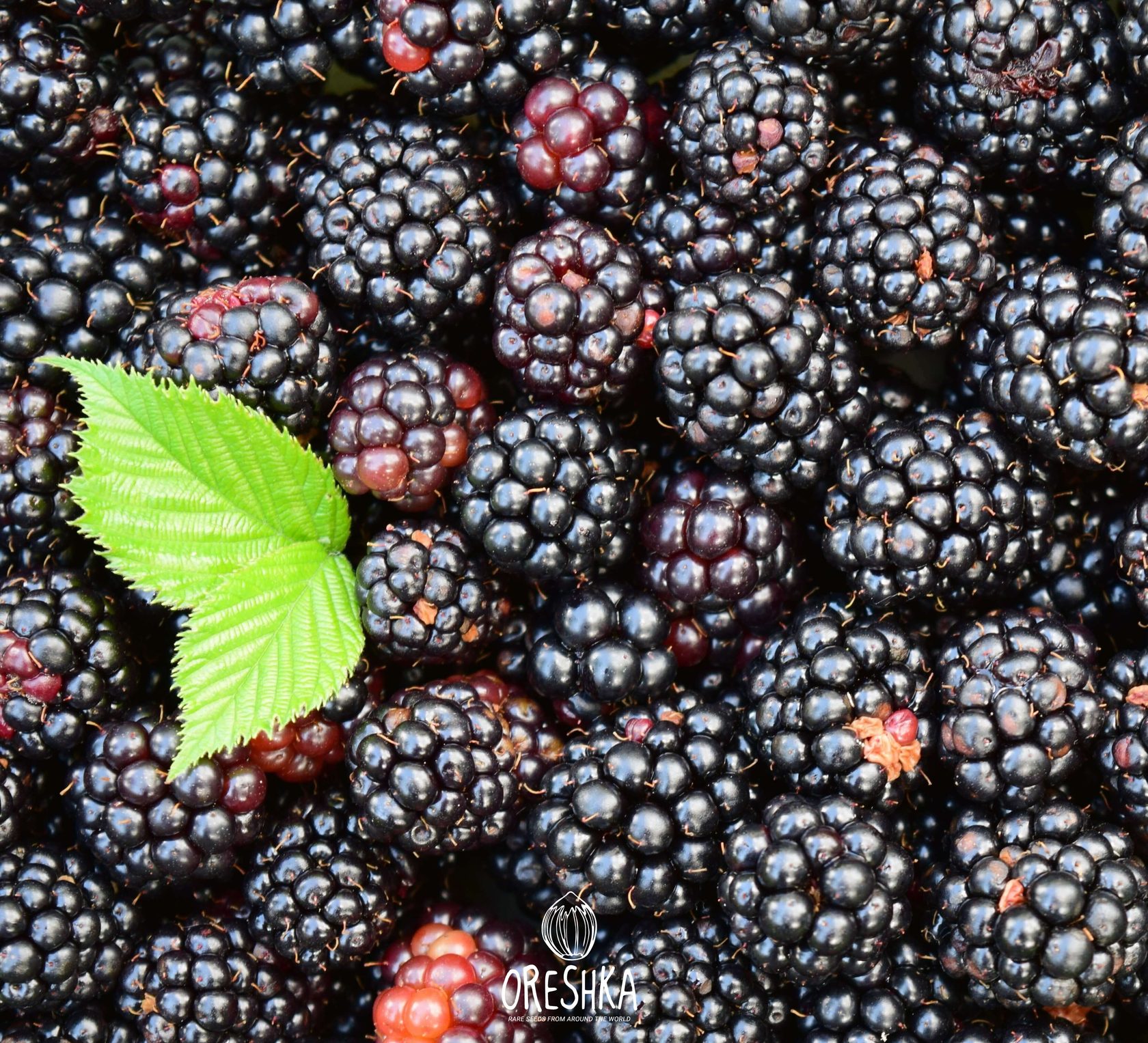
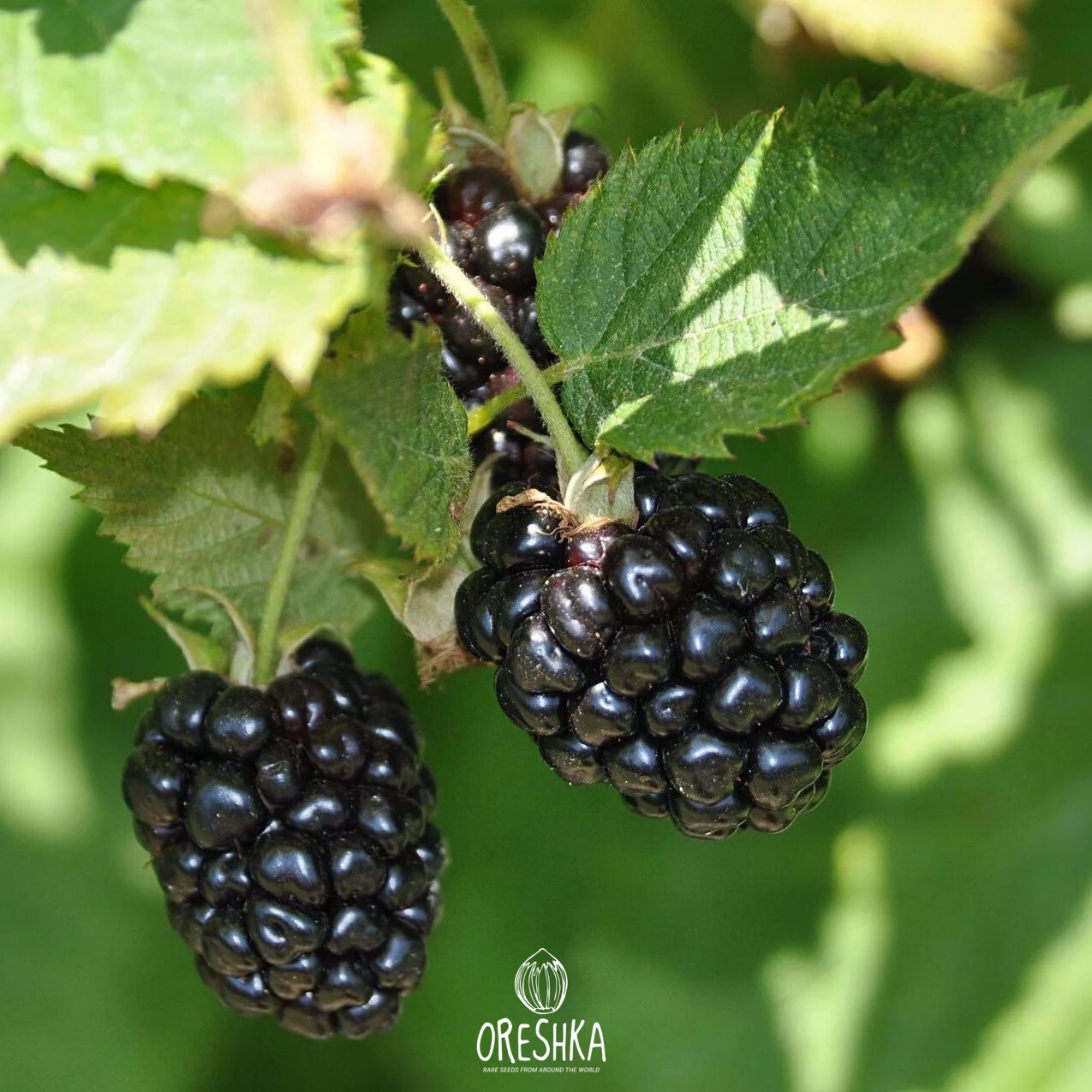
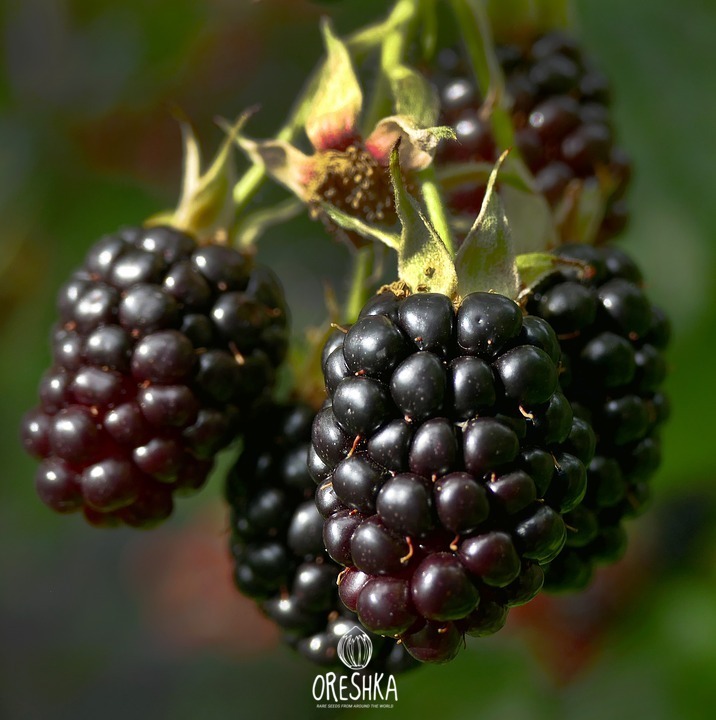
Quick facts
Rubus fruticosus at a Glance
Growing guide
How to Grow Blackberry from Seed — Step by Step
- 01Cold Stratification — 4 to 6 WeeksMix seeds with moist sand or vermiculite in a sealed bag. Refrigerate at 2–4°C for 4–6 weeks. The hard seed coat requires cold to break dormancy — without this step, germination is sparse and unreliable. Any seeds showing root tips during stratification should be sown immediately. Time the end of stratification to late February–March for sowing into a full growing season.
- 02Sow 0.5 cm Deep — Slight Warmth After ColdFill pots or trays with free-draining, slightly acidic compost (pH 5.8–6.1). Sow seeds 0.5 cm deep and cover with a thin layer of vermiculite. Keep at 18–22°C — the contrast between the cold stratification period and warm germination temperature triggers sprouting. Maintain consistent moisture. Do not allow the compost to dry out completely between waterings.
- 03Germination — 3 to 5 WeeksSeeds germinate in 21–35 days at 18–22°C. Germination is staggered — leave trays in place for 5 full weeks before concluding the batch is done. Seedlings emerge with characteristic heart-shaped seed leaves, followed by the first compound leaf. Prick out into individual 9 cm pots when the first true compound leaf is fully open. Handle seedlings by a seed leaf, never by the stem.
- 04First Season — Vigorous Primocane GrowthBlackberry grows rapidly from late spring — first-year canes (primocanes) can reach 60–120 cm. Grow in full sun outdoors. Water regularly, especially on free-draining soils. Feed monthly with balanced fertiliser. Tie canes to temporary supports — they are tall and will fall over without guidance. Do not expect fruit in year one. All energy goes into root and cane development.
- 05Plant Out and Support SystemPlant in permanent position in autumn of year one or early spring of year two. Install posts and three horizontal wires at 60, 90, and 120 cm before planting. Space plants 1.5–2 m apart. Any well-drained soil at pH 5.8–6.1 is suitable — blackberry is one of the least demanding fruiting shrubs in cultivation. Avoid waterlogged areas (groundwater above 1.5 m causes root problems). Mulch with organic matter to suppress weeds and retain moisture.
- 06Year Two — First Fruit and Pruning CycleIn year two, last year's primocanes become floricanes — they produce lateral shoots, white flowers, and dark fruit from July to September. Pick berries when fully dark, soft, and separating easily from the plug. After all fruit is harvested, cut all fruited canes to the base. Tie in the current season's new primocanes to the wires. These will be next year's floricanes. Repeat every year — the system runs indefinitely with minimal maintenance.
The most common mistake with blackberry is confusing primocanes and floricanes and cutting the wrong ones. Here is the definitive rule: in autumn, after fruiting is complete, cut every cane that produced fruit down to the base — these are brown, woody, and have dried fruit clusters. Leave every green, vigorous, non-fruited cane intact — these are the primocanes that will fruit next year. Tie the remaining canes along the wires in a fan pattern. If you accidentally cut the wrong canes, the plant will simply produce new primocanes from the base — blackberry is almost impossible to kill by over-pruning.
Compare
Blackberry vs. Raspberry vs. Loganberry
| Feature | Rubus fruticosus Blackberry · P26 | Rubus idaeus Raspberry | Rubus × loganobaccus Loganberry (hybrid) |
|---|---|---|---|
| USDA Zone | Zone 4 · −34°C | Zone 3 · −40°C | Zone 6 · −23°C |
| Berry colour | Dark blue-black | Red · golden varieties | Dark red to maroon |
| Plug separation | Plug stays with berry | Clean separation — hollow berry | Plug stays with berry |
| Yield / plant | 3–8 kg · highest | 1–3 kg | 2–4 kg |
| Cane system | Biennial · primocane + floricane | Biennial (summer) or primocane (autumn) | Biennial |
| From seed | Available (our stock) | Available as seeds | Hybrid — propagated vegetatively |
Avoid these
Common Mistakes When Growing Blackberry from Seed
Skipping cold stratification
Without 4–6 weeks at 2–4°C, blackberry seeds germinate poorly or not at all. This is the most common cause of failure with Rubus from seed. The cold period is essential to break the physiological dormancy of the hard seed coat.
Cutting year-one canes in autumn
First-year primocanes must not be cut — they are next year's fruit-bearing canes. Only cut the canes that have finished fruiting (brown, woody, with remnant fruit clusters). Cutting primocanes loses the entire following year's crop.
Not installing support before planting
Blackberry canes reach 60–150 cm and arch heavily under their own weight. Without a post-and-wire support system installed before planting, canes collapse, tip-root everywhere, and become unmanageable. Install the support structure first, then plant.
Picking underripe berries
Blackberries do not ripen after picking — unlike tomatoes or pears. A berry with any red on the underside is still underripe and astringent. Ripe blackberries are uniformly dark, soft, and separate from the plug with minimal pressure. Check every 2–3 days at peak season.
FAQ
Frequently Asked Questions
How long does blackberry take to fruit from seed?
What soil does blackberry need?
Why does blackberry have a biennial cane cycle?
Can blackberry be grown without support structures?
What is the difference between blackberry and raspberry?
When is the right time to pick blackberries?
The Most Productive Temperate Berry — 3–8 kg Per Plant Per Year
15 fresh seeds · Zone 4 · Biennial cane system · Wild genetics · Ships worldwide
Buy Seeds — €5.00 → Sale −40% · SKU P26 · 15 PCS · Rubus fruticosus · Oreshka Seeds