How to Grow Coast Redwood from Seed
Sequoia sempervirens
The tallest living tree on Earth — 115.92 m tall, over 2,000 years old. Native to a narrow coastal strip in California, 750 km long. Now you can grow it from a single seed.
The plant
What is Coast Redwood — the Tallest Living Tree on Earth?
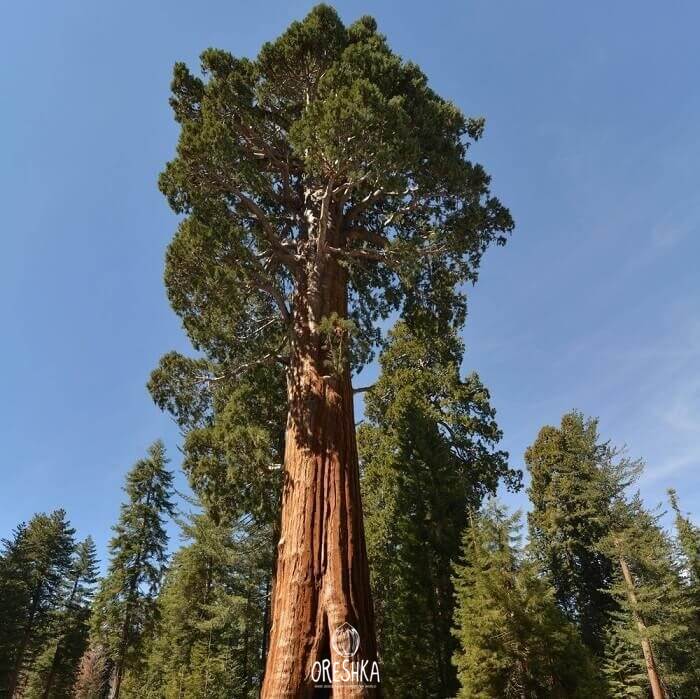
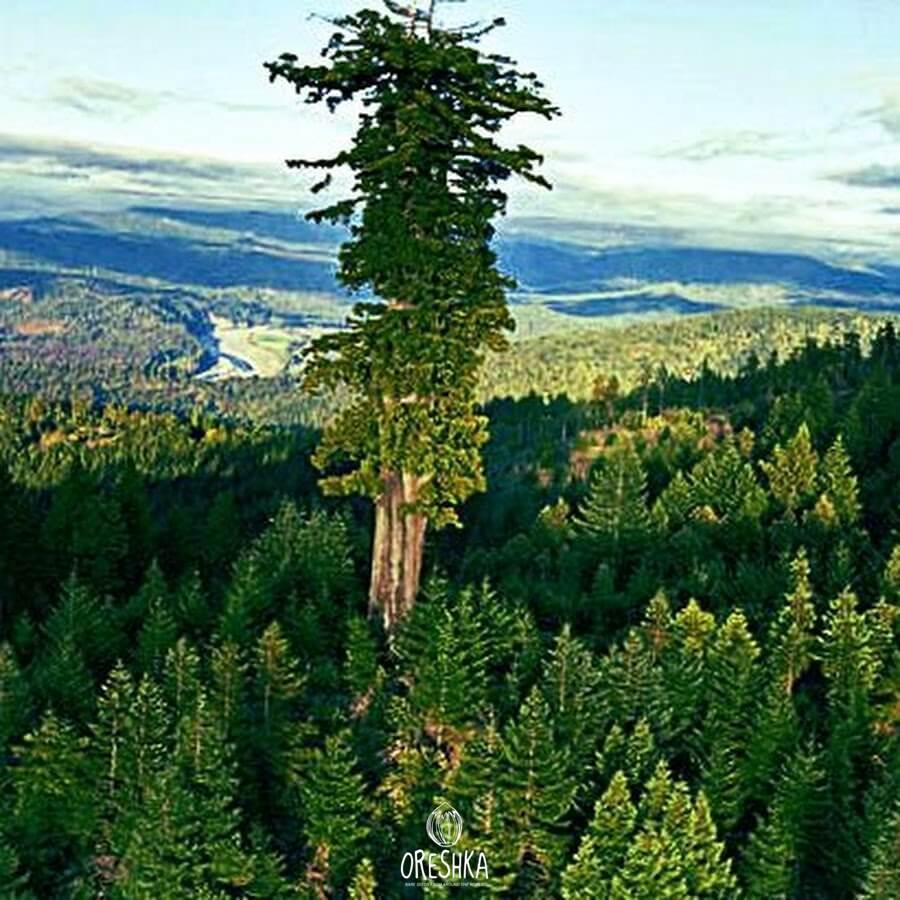
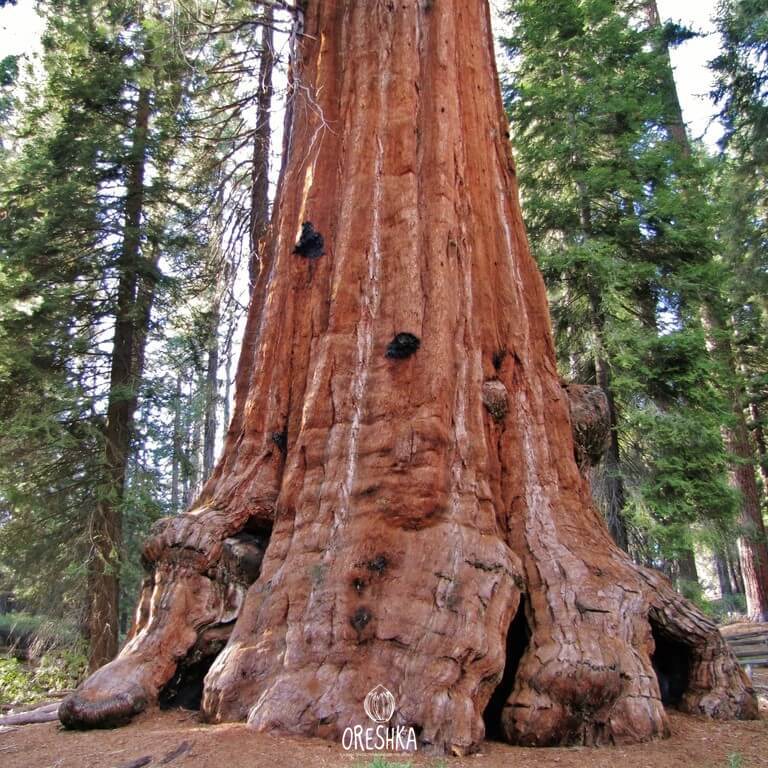
Sequoia sempervirens is not just a large tree — it is the largest living thing by height that has ever existed on this planet. The tallest measured individual, named Hyperion and discovered in 2006 in Redwood National Park, California, stands at 115.92 metres. Its exact location is kept secret to protect it from tourism damage.
Coast Redwood is native to an extraordinarily narrow strip of land: a 750-kilometre coastal band running through northern California and a small part of southern Oregon, rarely extending more than 50 kilometres inland. This range is defined by a specific microclimate — the coastal fog belt, where summer fog rolls in from the Pacific and provides moisture during California's dry summers.
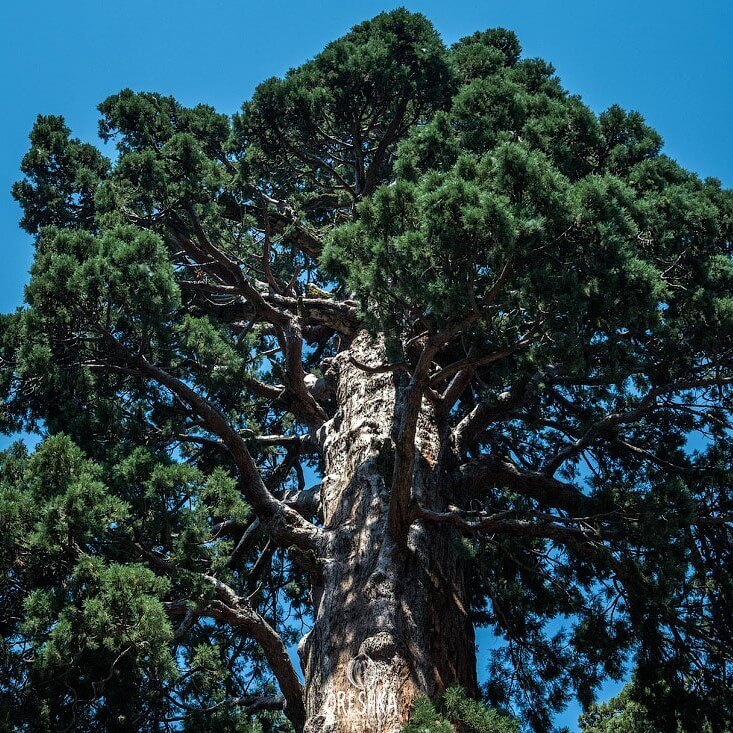
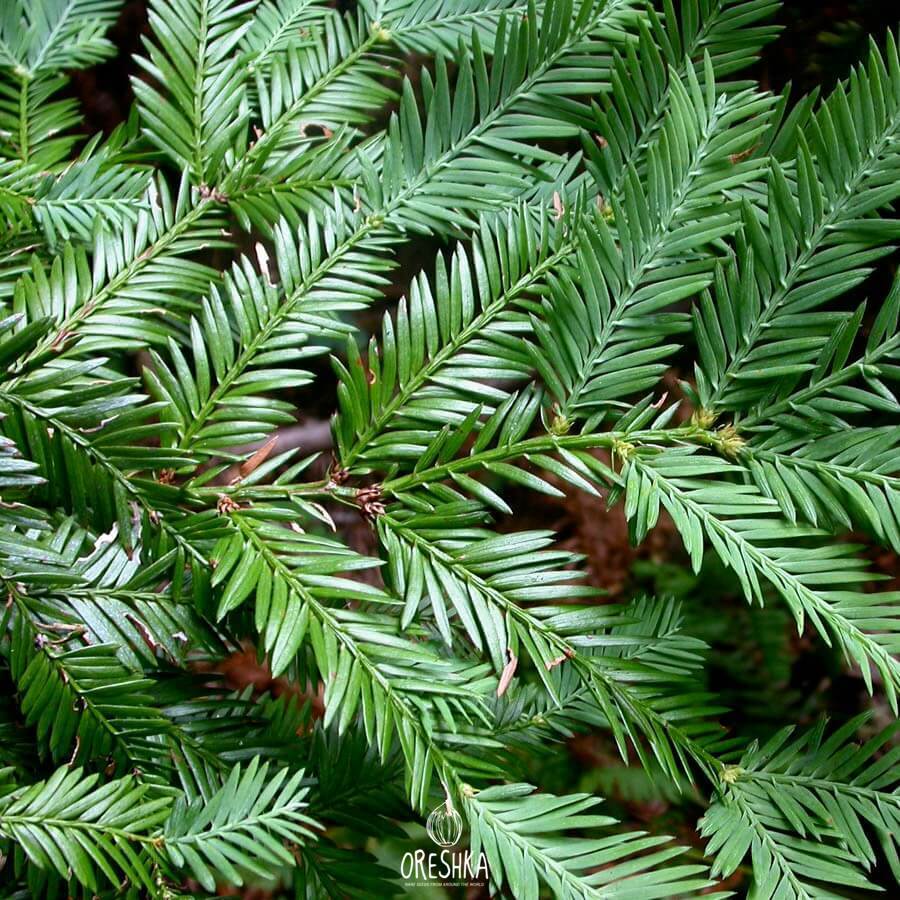
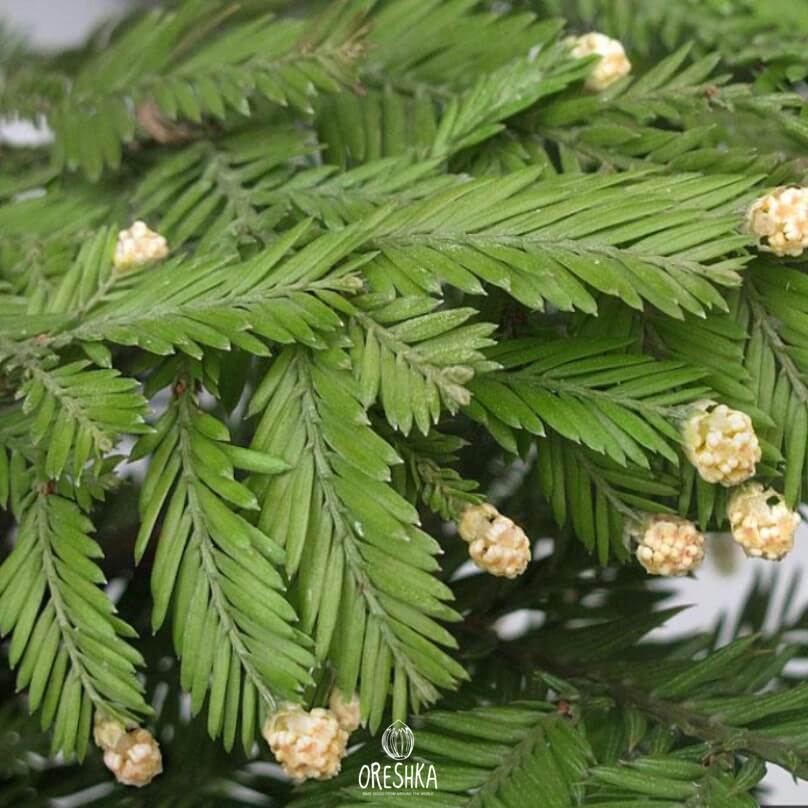
The tree is an evergreen conifer — unlike its close relative Metasequoia (Dawn Redwood), it keeps its dark-green, flat needles year-round. It grows rapidly in the right conditions: 0.6–1 m per year once established, reaching 20–30 m in a garden over several decades. In cultivation outside California, trees of 40–50 m have been recorded in the British Isles and parts of western Europe.
Seeds harvested fresh from verified parent plants. Sequoia sempervirens seeds are tiny and short-lived — sow within 6 months of harvest for best germination. Our seeds are dispatched fresh each season. About our collection →

Quick facts
Sequoia sempervirens at a Glance
Growing guide
How to Grow Coast Redwood from Seed — Step by Step
Seeds are tiny — about 3–4 mm. Handle carefully. Fresh seeds germinate at 40–60%; older seeds drop below 20%.
- 01 Cold Stratification — 4 to 6 WeeksMix seeds with lightly moist peat or vermiculite in a sealed zip bag. Refrigerate at 2–4°C for 4–6 weeks. Sequoia seeds are naturally shed in autumn and require cold to break dormancy. Check every 10 days — medium should be barely moist, never wet. Seeds that begin to sprout in the bag are ready to sow immediately.
- 02 Surface Sowing — Never CoverFill shallow trays with fine seed compost mixed with perlite (2:1). Moisten thoroughly. Press stratified seeds onto the surface with a finger — do not cover with compost. Coast Redwood seeds require light for germination. Cover tray with clear plastic lid to maintain humidity. Keep at 18–22°C in a bright position.
- 03 Germination — 14 to 35 DaysSeeds typically emerge in 14–35 days at 18–22°C. The seedlings are tiny at first — be patient. Maintain consistent moisture and 14–16 hours of light. Remove the plastic cover gradually over 3–5 days once seedlings reach 2–3 cm. Damping off (fungal collapse at stem base) is the primary risk — ensure good air circulation and avoid overwatering.
- 04 First Year — Humidity Above AllTransplant to individual 9 cm pots when seedlings reach 5–8 cm. Sequoia sempervirens evolved in coastal fog — it needs high atmospheric humidity, not just wet soil. Mist foliage daily in dry indoor conditions, or group pots together to create a humid microclimate. Use slightly acidic, well-drained soil (pH 5.5–6.5). Expect 15–30 cm by end of first season in good conditions.
- 05 Outdoor Planting — Zone 7+ and Oceanic Climate OnlyPlant out in second or third year, after last frost. Sequoia sempervirens tolerates short frosts to −15°C but is not suitable for continental winters (Germany, Poland, inland France). It thrives in oceanic climates: southern England, coastal France, Ireland, Pacific Northwest USA. Choose a sheltered, humid position away from drying winds. Water regularly through the first two summers.
- 06 Long-Term Growth — 0.6 to 1 m Per YearOnce established in open ground, Coast Redwood grows 0.6–1 m per year, reaching 15–25 m in a garden over 20–30 years. In favourable European locations (southwest England, Brittany, Basque Country) trees of 40–50 m have been recorded. The tree is evergreen — dark-green needles year-round — with distinctive reddish-brown bark developing with age. Trunk diameter can reach 6–9 m at full maturity over centuries.
The most overlooked requirement for Coast Redwood is atmospheric humidity — not just soil moisture. In its native range, trees absorb significant water directly through their foliage from coastal fog, especially in summer when California's dry season would otherwise stress them. Growing indoors or in a heated room with low humidity causes needle browning and stalled growth even when the soil is adequately moist. If you're growing Coast Redwood in a continental climate or indoors, daily misting is not optional — it's the difference between a thriving tree and a struggling one. A humidity tray or grouping with other plants helps significantly.
Compare
Coast Redwood vs. Dawn Redwood vs. Giant Sequoia
| Feature | Sequoia sempervirens Coast Redwood · H18 | Metasequoia Dawn Redwood · H9 | Sequoiadendron Giant Sequoia |
|---|---|---|---|
| Max height | 115.92 m — tallest on Earth | Up to 35 m | Up to 94 m |
| USDA Zone | Zone 7–8 · −15°C | Zone 4 · −34°C | Zone 6 · −23°C |
| Evergreen? | Yes — year-round needles | Deciduous (unique) | Yes — evergreen |
| Growth speed | 0.6–1 m/yr | 1–1.5 m/yr (fastest) | 0.3–0.6 m/yr |
| Lifespan | 2,000+ years | Several centuries | 3,000+ years |
| Cold climate | Oceanic only · no hard winters | Excellent — Zone 4+ | Mountain climates |
Avoid these
Common Mistakes When Growing Coast Redwood from Seed
Ignoring humidity — watering soil but not air
Coast Redwood absorbs moisture through its foliage in the wild. Adequate soil moisture alone is not enough — atmospheric humidity must be high. Dry indoor air causes needle browning and poor growth even in moist soil. Mist daily, or use a humidity tray.
Covering seeds with compost
Like Metasequoia, Coast Redwood seeds require light to germinate. Even a thin covering of compost significantly reduces germination. Press seeds onto the moist surface — do not bury them.
Planting in a continental climate without protection
Sequoia sempervirens is not suitable for climates where temperatures regularly drop below −15°C. Gardeners in Germany, Poland, or inland France will find it struggles or dies in winter. For cold climates, choose Metasequoia glyptostroboides (Zone 4) instead.
Planting in dry or exposed positions
Coast Redwood naturally grows in a fog belt — it does not tolerate prolonged drought or drying winds. In garden planting, choose a sheltered position with regular access to moisture. Mulch heavily around the base to retain soil moisture.
Using old or stored seeds
Sequoia sempervirens seeds have a short viability — germination rates drop sharply after 6–12 months in dry storage. Sow as soon as possible after receiving seeds. This is one of the most important factors for success with this species.
FAQ
Frequently Asked Questions
Can I grow Coast Redwood from seed in the UK or Europe?
How tall does Coast Redwood grow from seed in a garden?
What is the difference between Coast Redwood and Dawn Redwood?
Why does Coast Redwood bark grow so thick?
How long does Coast Redwood live?
Can Coast Redwood grow in a container or indoors?
Grow the World's Tallest Tree from Seed
20+ fresh seeds · In stock · Ships worldwide in 2–3 days · Zone 7 · Coastal oceanic climates
Buy Seeds — €6.25 → Sale −40% · SKU H18 · 20+ PCS per pack · Oreshka Seeds