

How to Grow Dwarf Purple Heart Tomato from Seed
Mid-season determinate · 120 cm bush · Film greenhouse & outdoor · 1–2 stems
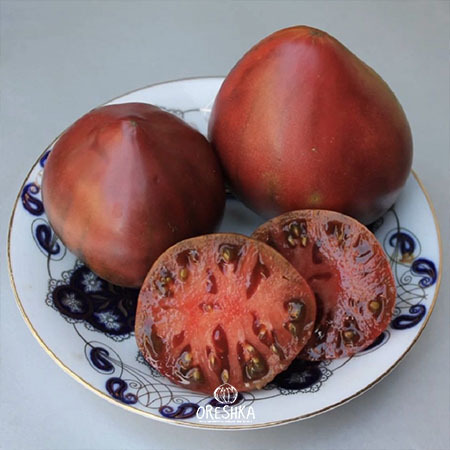
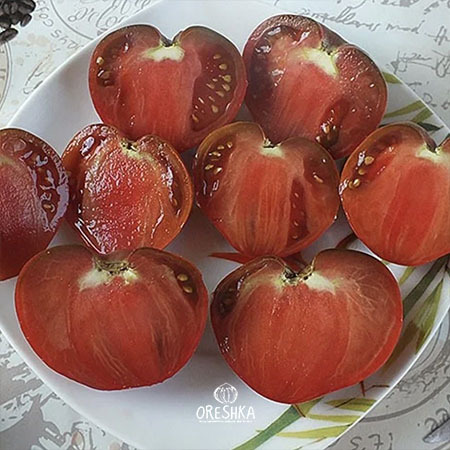
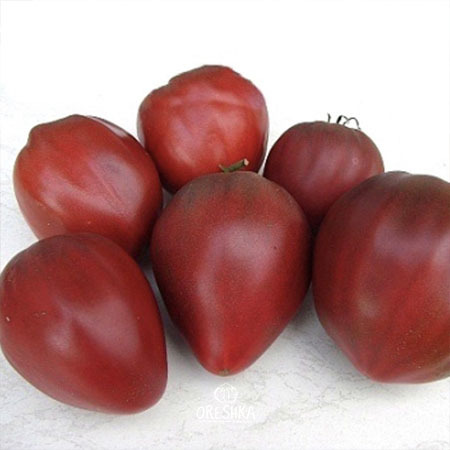
A compact, disease-resistant, mid-season determinate tomato producing distinctive large heart-shaped fruits in a deep purple-red colour. Sweet with a slight sourness — excellent for fresh salads, canning, and juice. Grows to 120 cm maximum, suits film greenhouses and outdoor cultivation. Mandatory garter recommended.

The variety
What is Dwarf Purple Heart Tomato — Compact, Resistant, and Strikingly Coloured
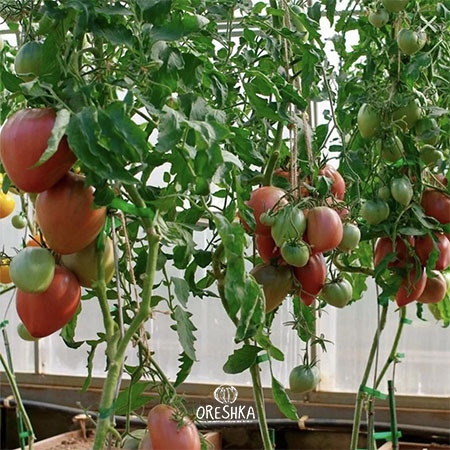
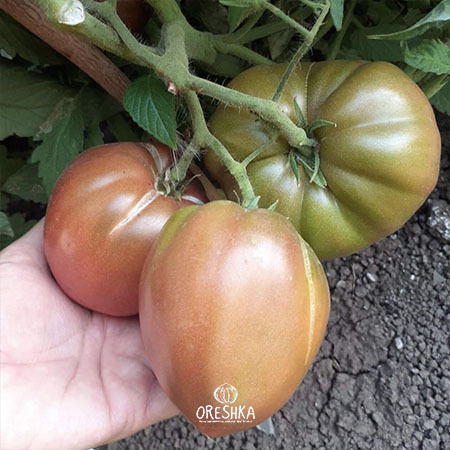
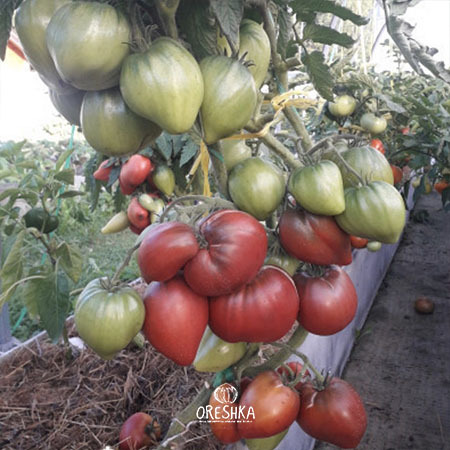
Tomato Dwarf Purple Heart (To183) is a mid-season determinate variety growing to 120 cm — a compact, manageable bush suited to film greenhouses, polytunnels, closed ground, and outdoor cultivation. The fruits are large, heart-shaped, and turn a distinctive purple-red at maturity — visually different from standard red tomatoes and striking in the garden and on the plate. Fruit weight is 150–250 g. The flesh is fleshy, medium density, with a sweet taste carrying a pleasant slight sourness.
Disease resistance is a key practical attribute of this variety — it performs reliably in variable-weather outdoor conditions where susceptible varieties would succumb to late blight and fungal diseases. The determinate habit concentrates the harvest into a shorter window compared to indeterminate varieties, making it excellent for batch preserving and canning as well as fresh eating.
Mid-season determinate. Film greenhouse and outdoor suitable. 1–2 stems, mandatory garter. Disease-resistant — ideal for variable northern European summers. About our collection →
Quick facts
Dwarf Purple Heart at a Glance
Growing guide
How to Grow Dwarf Purple Heart Tomato from Seed — Step by Step
- 01Start Indoors — 6 to 8 Weeks Before Last FrostSow 0.5–1 cm deep in moist seed compost at 22–26°C. Use propagator mat for consistent warmth. Germination: 7–10 days. Thin to one plant per pot when seedlings reach 5 cm. Grow on in maximum light — compact stocky seedlings establish better. Feed weekly with dilute balanced fertiliser once first true leaves appear.
- 02Harden Off and Plant OutWhen night temperatures consistently exceed 10°C, harden off for 7–10 days. Plant after last frost with soil at 15°C+. Space 50–60 cm. Plant deeply — bury stem to lowest leaves for extra root development. Install 120 cm stake at planting. Film greenhouse or polytunnel gives reliable results every year; outdoor growing is possible with disease-resistant varieties like this one.
- 03Train to 1–2 Stems — Garter MandatoryDespite the determinate habit, 1–2 stem training improves fruit size. Keep the main stem and optionally one first side shoot — remove all others when finger-length. The thin upright stems load with fruit and require tying to a stake as the plant grows — tie at 20–25 cm intervals. The compact 120 cm height means the plant manages itself within a stake rather than requiring a long cage, making management easier than tall indeterminate varieties.
- 04Feed High Potassium at Fruit SetSwitch from balanced feed to high-potassium tomato fertiliser every 10–14 days once first fruits set. Water consistently — the fleshy medium-density flesh is susceptible to blossom end rot and splitting from irregular watering. Mulch to maintain even moisture. Consistent potassium feeding through fruit development is responsible for the sweet-sour balance this variety is known for — skip feeds and the acidity dominates.
- 05Disease Resistance — Less Intervention NeededDwarf Purple Heart's resistance to major diseases allows later-season outdoor growing that susceptible varieties cannot sustain. No preventive fungicide spray schedule is needed. In a wet summer when neighbouring plants show blight symptoms, this variety continues cropping. Maintain good air circulation around plants (the 1–2 stem training helps significantly) and remove any symptomatic leaves promptly as a precaution.
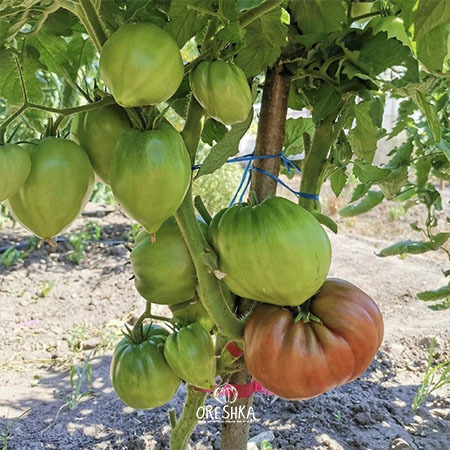
- 06Harvest — Purple-Red Heart-Shaped FruitsRipe Dwarf Purple Heart transitions from green through an intermediate stage to full purple-red — the distinctive colour develops fully at maturity. Fruit weight 150–250 g. Harvest at full colour for best sweet-sour flavour. For storage, harvest slightly early — fruits continue ripening off the vine at room temperature. The determinate habit concentrates harvest into 2–4 weeks — ideal for batch canning, juice-making, and sauce production. Outstanding for all uses: fresh, canned, juiced, and sauce.
The concentrated determinate harvest of Dwarf Purple Heart is ideal for making tomato passata in a single session. When the main flush of fruits ripens simultaneously (typically over 2–3 weeks in August), process the entire harvest at once: halve fruits, roast cut-side down at 180°C for 35–40 minutes until caramelised and slightly reduced, then pass through a food mill. The sweet-sour balance of Dwarf Purple Heart makes a passata with more complexity than pure sweet varieties — the acidity brightens the flavour and eliminates the need for added lemon juice or citric acid that high-pH tomato varieties require for safe canning. Freeze in 400 ml portions for a winter supply of home-grown sauce.
Compare
Dwarf Purple Heart vs. Japanese Tomato vs. Standard Determinate
| Feature | Dwarf Purple Heart To183 · Oreshka Seeds | Japanese Tomato To150 · Oreshka Seeds | Standard determinate e.g. Moneymaker type |
|---|---|---|---|
| Growth habit | Determinate · 120 cm max | Indeterminate · 150–180 cm | Determinate · 90–120 cm |
| Fruit colour | Purple-red · distinctive | Crimson-red | Standard red |
| Taste profile | Sweet with slight sourness | Pure sweet · sugary | Balanced · mild |
| Disease resistance | High — major diseases | Standard | Variable by variety |
| Harvest type | Concentrated — ideal for preserving | Continuous through season | Concentrated flush |
| Outdoor suitability | Excellent · resistant variety | Better under cover | Good in warm summers |
Avoid these
Common Mistakes When Growing Dwarf Purple Heart
Skipping the garter because it's "compact"
Despite the 120 cm maximum height, Dwarf Purple Heart stems load with heavy fruit and will snap or keel over without support. Tie to a 120 cm stake at 20–25 cm intervals from the time the plant reaches 40–50 cm. A single unsupported plant with a heavy fruit load is commonly lost to wind snap or stem collapse — a garter is a 5-minute task that protects the entire harvest.
Expecting continuous harvest like an indeterminate variety
Dwarf Purple Heart is determinate — most fruit ripens in a 2–4 week window rather than continuously. Plan accordingly: this is a variety to process in one batch rather than eat fresh daily throughout summer. If continuous fresh supply is the goal, also grow an indeterminate variety alongside it.
Irregular watering during fruit development
The medium-density fleshy flesh is susceptible to blossom end rot (calcium deficiency caused by irregular watering) and skin cracking when a large water intake follows a dry period. Mulch generously and water consistently — daily in hot weather. Blossom end rot on an otherwise excellent variety is preventable with consistent moisture maintenance.
Not using disease resistance to its advantage
The disease resistance of this variety is only fully exploited outdoors. Growing it only under cover (where disease pressure is lower) is underusing what makes this variety special. Plant at least some plants outdoors in a sheltered sunny position to experience the variety's full practical advantage over susceptible types in a normal northern European summer.
FAQ
Frequently Asked Questions
What is Dwarf Purple Heart — determinate or indeterminate?
Why is it called Purple Heart — what colour are the fruits?
What does Dwarf Purple Heart taste like?
What diseases is it resistant to?
Can it be grown outdoors in the UK or northern Europe?
How is it different from Japanese Tomato (To150)?
Purple-Red Heart-Shaped Fruits — Compact, Resistant, Outstanding for Preserving
10 fresh seeds · Mid-season determinate · Disease resistant · Film greenhouse & outdoor · Ships worldwide
Buy Seeds — €4.25 → Sale −40% · SKU To183 · 10 PCS · Dwarf Purple Heart Tomato · Oreshka Seeds