

How to Grow Japanese Tomato from Seed
Large-fruited heart-shaped cordon variety · Crimson-red · 6–8 trusses · 5–7 fruits per truss
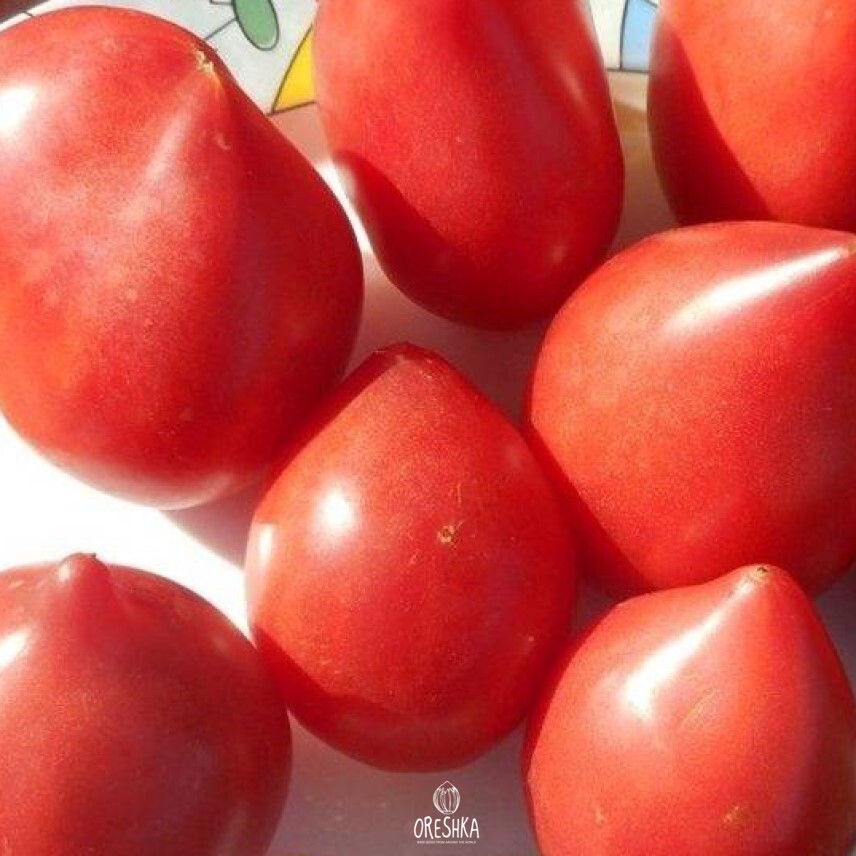
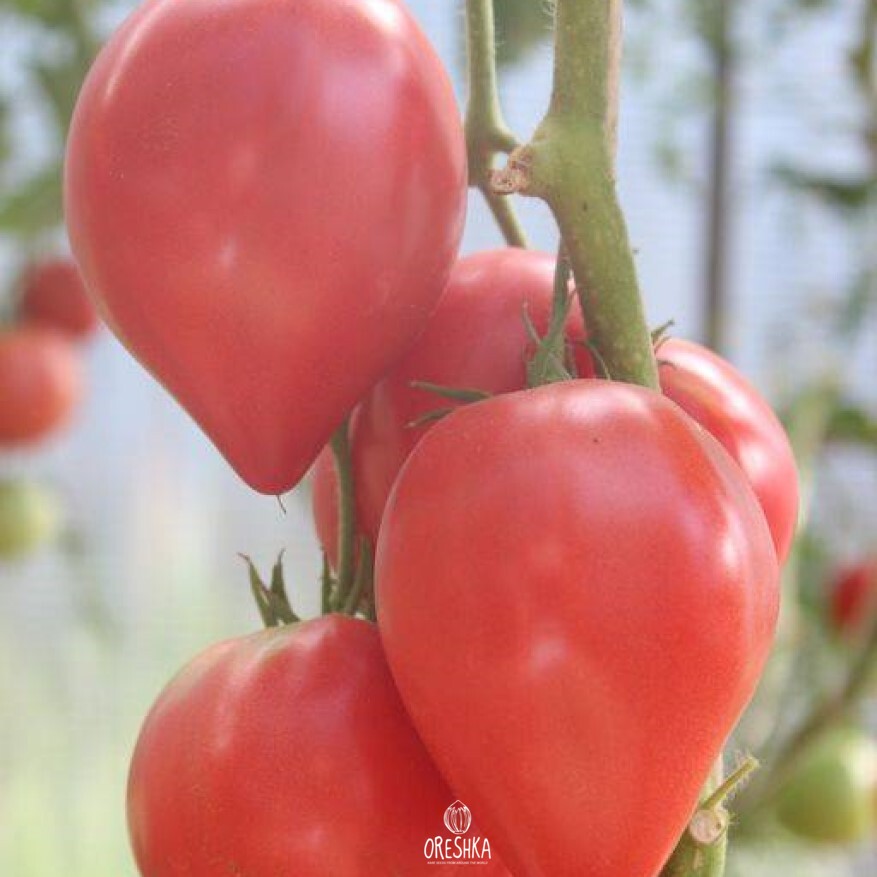
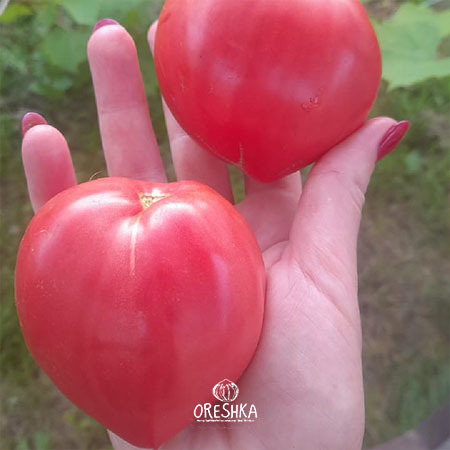
A spectacular large-fruited indeterminate tomato with a distinctive heart shape and pointed tip. Fruits average 300 g, reaching 500 g. Thin-skinned, sweet, sugary, fleshy interior with very few seeds. Outstanding for fresh salads, paste, and juice. Train as 2 stems with regular suckering for maximum yield.
The variety
What is Japanese Tomato — The Heart-Shaped Crimson Giant
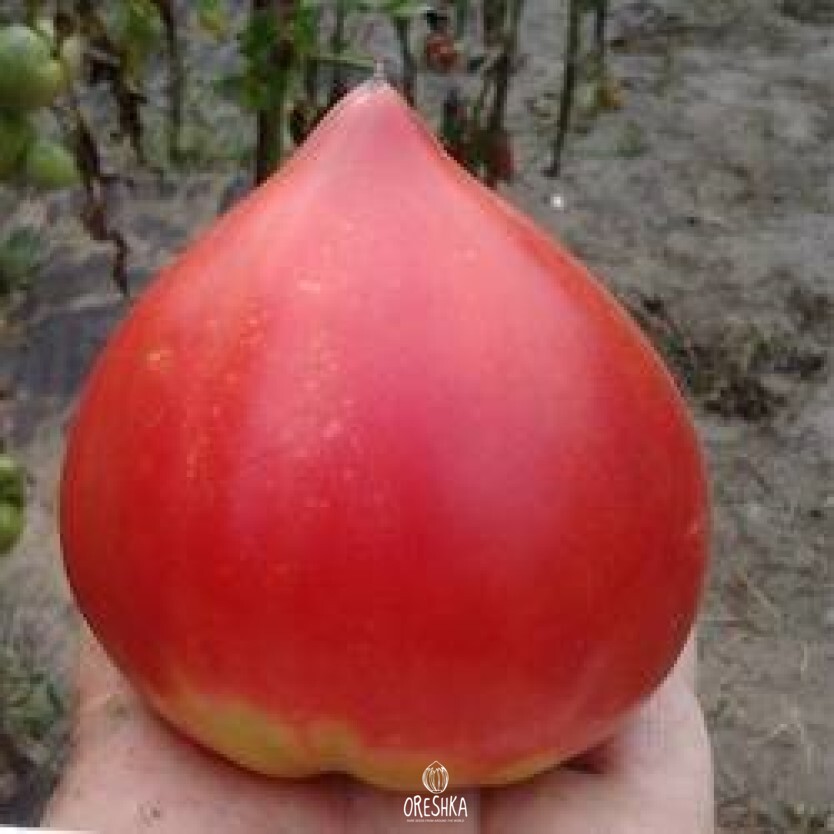
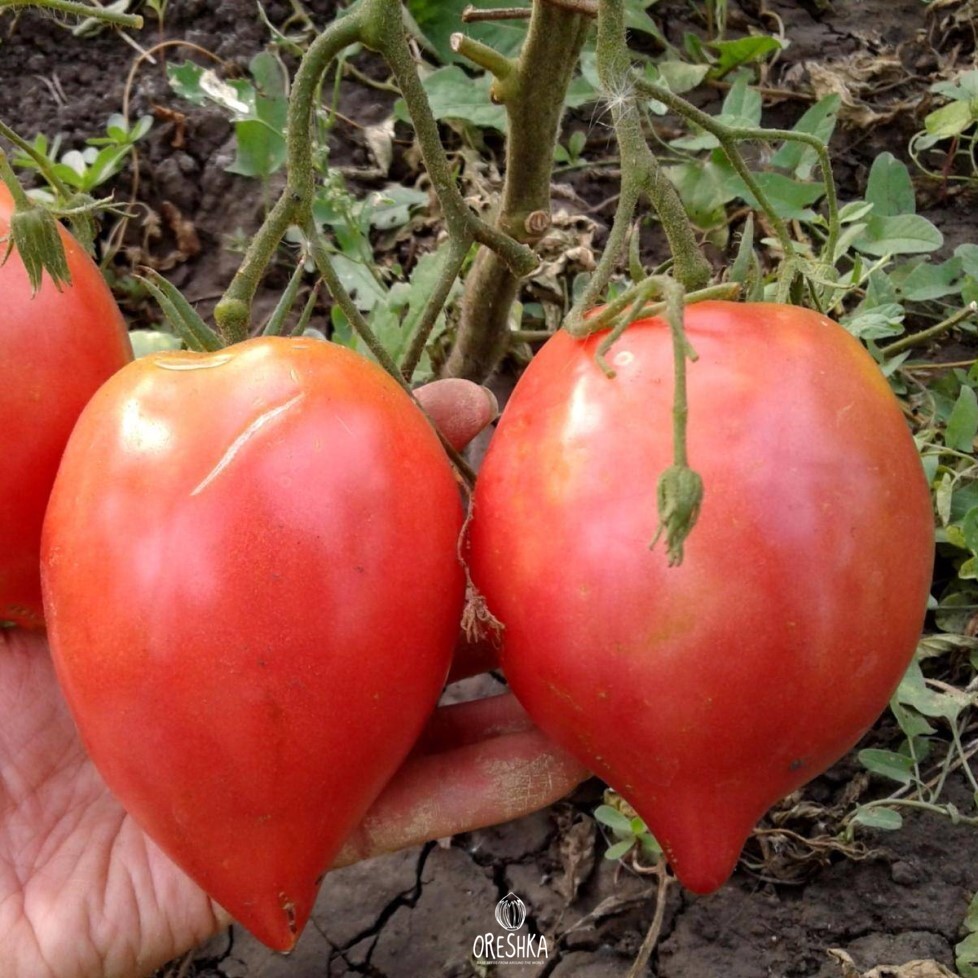
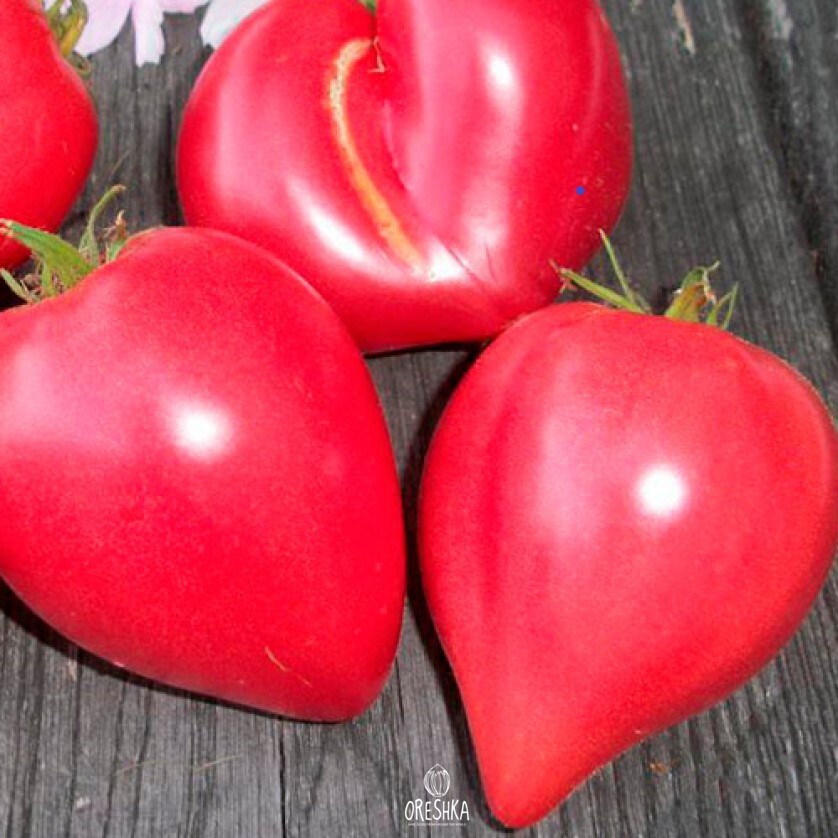
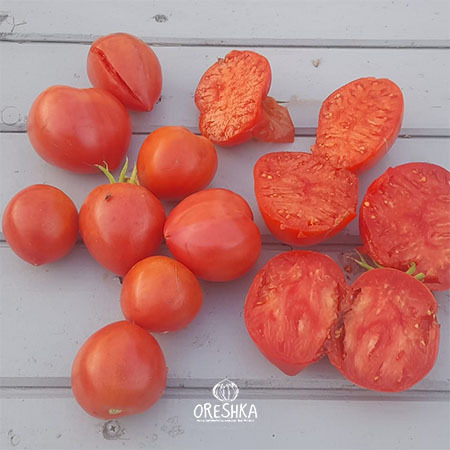
Japanese Tomato is a medium-ripening, large-fruited, indeterminate tomato variety producing distinctive heart-shaped fruits with a characteristic sharp pointed tip. The fruits are visually unmistakeable — crimson-red, 300–500 g, with a thin skin, dense fleshy interior, and very low seed content. The stem is straight and thin, the crown compact and medium-leaved, with small, elongated, sharply-pointed dark green leaves. These are varietal characteristics, not signs of poor growth.
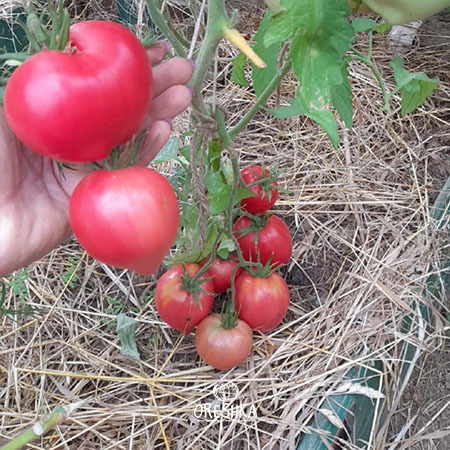
Each plant develops 6–8 flower trusses, each carrying 5–7 fruits — a total potential of 30–55 fruits per plant in optimal conditions. The combination of large individual fruit size and high truss count makes Japanese Tomato among the most productive large-fruited varieties for home cultivation. Despite the thin skin, fruits store well for 2 weeks in a cool place, and transport without bruising if harvested slightly under-ripe.
Medium-ripening large-fruited indeterminate. 2-stem training with regular suckering essential. Polytunnel recommended in northern climates for reliable large-fruit set. About our collection →
Quick facts
Japanese Tomato at a Glance
Growing guide
How to Grow Japanese Tomato from Seed — Step by Step
- 01Start Indoors — 6 to 8 Weeks Before Last FrostSow 0.5–1 cm deep in moist seed compost at 22–26°C. Use a propagator mat for consistent bottom heat. Seeds germinate in 7–10 days. Once seedlings reach 5–7 cm with first true leaves, thin to one per pot. Grow on in maximum light — compact, stocky seedlings establish far better than tall, leggy ones. Feed weekly with dilute balanced fertiliser once first true leaves appear.
- 02Harden Off and Plant OutWhen outdoor temperatures consistently exceed 10°C at night, harden off over 7–10 days. Plant out after last frost with soil temperature at least 15°C (ideally 18°C). Plant deeply — bury the stem up to the lowest leaves; roots form from the buried stem, improving anchorage and water uptake. Space 60–70 cm apart in full sun. Install sturdy 180 cm stakes or cages at planting.
- 03Train as 2 Stems — Remove All Other Side ShootsKeep the main stem and one side shoot (typically the first shoot below the first flower truss). Remove all other side shoots as they appear, weekly, when finger-length — they snap out cleanly when small. This is mandatory cultural practice for this variety. Tie the 2 stems to stakes as they grow. Plants reach 150 cm outdoors (180 cm under glass) — regular tying prevents wind damage to the thin stems.
- 04Feeding — Switch to High Potassium at First Fruit SetWater consistently — irregular watering causes blossom end rot and fruit cracking, especially with the thin-skinned Japanese Tomato. Once the first truss has set visible fruits, switch to a high-potassium tomato fertiliser (same as standard tomato feeding) every 10–14 days. Mulch to maintain soil moisture. The combination of consistent watering and correct feeding at fruit set is responsible for the characteristic sweet, sugary flavour this variety is known for.
- 05Pinch Growing Tips in Late SummerIn late summer (August in temperate climates), pinch the growing tip of both stems 2 leaves above the highest flower truss. This redirects all plant energy into ripening existing fruit rather than producing new growth that will not ripen before autumn. A plant with 6–8 trusses each carrying 5–7 fruits at this point will fully ripen its load if the growing tips are pinched in time.
- 06Harvest — 300–500 g Heart-Shaped Crimson FruitsRipe Japanese Tomato is unmistakeable: fully crimson-red, distinctively heart-shaped with sharp pointed tip, fragrant. For storage, harvest slightly under-ripe — they ripen off the vine in 3–5 days at room temperature and store 2 weeks in a cool place. Fully ripe on the vine gives the best flavour — sweet, sugary, dense. The fleshy, low-seed flesh is outstanding for fresh eating, paste, ketchup, and juice without extensive straining.
The thin skin of Japanese Tomato is a double advantage for home gardeners: the flavour is more intense (the skin contributes bitterness that dilutes sweetness in thick-skinned varieties), and the fruit processes into paste and juice effortlessly. For tomato paste: halve ripe fruits, roast cut-side down at 180°C for 40 minutes until caramelised, then pass through a food mill. The low seed count means the mill produces pure dense paste with minimal waste — one large Japanese Tomato (400–500 g) yields approximately 150–200 g of concentrated paste. Freeze in ice cube trays for portion-controlled paste through winter.
Compare
Japanese Tomato vs. Ox Heart vs. Brandywine
| Feature | Japanese Tomato To150 · Oreshka Seeds | Ox Heart Vollovye serdtse type | Brandywine American heirloom |
|---|---|---|---|
| Fruit shape | Heart + sharp pointed tip · distinctive | Heart · broad tip | Irregular · beefsteak type |
| Fruit weight | 300–500 g · consistent size | 300–800 g · variable | 300–700 g · variable |
| Seed content | Very low · fleshy interior | Low to medium | Medium |
| Skin thickness | Thin · prone to crack if overwatered | Thin to medium | Thin · crack-prone |
| Trusses per plant | 6–8 trusses · 5–7 per truss | 4–6 trusses · 3–5 per truss | 4–6 trusses · 3–5 per truss |
| Best for | Fresh + paste + juice + ketchup | Primarily fresh slicing | Primarily fresh eating |
Avoid these
Common Mistakes When Growing Japanese Tomato
Not suckering — letting the plant become a bush
Japanese Tomato is a cordon variety requiring 2-stem training with all other side shoots removed. An unsuckered plant produces many small-fruited stems with reduced quality. Check for side shoots weekly and remove at finger-length. This is the single most important task for this variety.
Irregular watering causing fruit cracking
The thin skin of Japanese Tomato is particularly susceptible to cracking when plants receive a sudden large water intake after a dry period. Consistent soil moisture throughout fruit development is essential. Mulch to reduce evaporation. In hot weather, water daily rather than every few days.
Insufficient staking for thin stems
The characteristically thin stem of Japanese Tomato is more susceptible to wind snap than thick-stemmed varieties. Use solid 180 cm stakes and tie in both stems regularly as they grow. In exposed positions, a second stake crossed between the two stems provides additional support.
Not pinching growing tips in late summer
Without tip-pinching in August, the plant continues producing new growth and new trusses that cannot ripen before autumn cold. Pinch 2 leaves above the highest truss in late summer — all fruits below that point will then ripen fully before season end.
FAQ
Frequently Asked Questions
What is Japanese Tomato — why is it called that?
What does Japanese Tomato taste like?
How big do Japanese Tomato fruits get?
What does indeterminate (cordon) mean?
How long does Japanese Tomato take to ripen?
What is pasynkovanie?
The Heart-Shaped Crimson Giant — 300–500 g, Sweet, Fleshy, Low-Seed
10 fresh seeds · Medium-ripening indeterminate · Outstanding for fresh, paste & juice · Ships worldwide
Buy Seeds — €4.25 → Sale −40% · SKU To150 · 10 PCS · Japanese Tomato · Oreshka Seeds