How to Grow Lingonberry from Seed
Vaccinium vitis-idaea — Wild Forest Berry
The most cold-hardy cultivated berry on Earth — survives −46°C above the Arctic Circle. Evergreen ground cover of Scandinavian and Siberian boreal forests. Classic partner to Swedish meatballs. Two harvests per year in optimal conditions.
The plant
What is Lingonberry — the Arctic Berry of Boreal Forests?
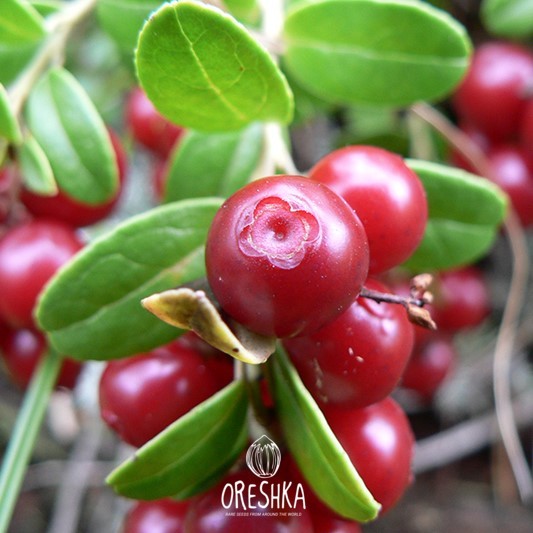
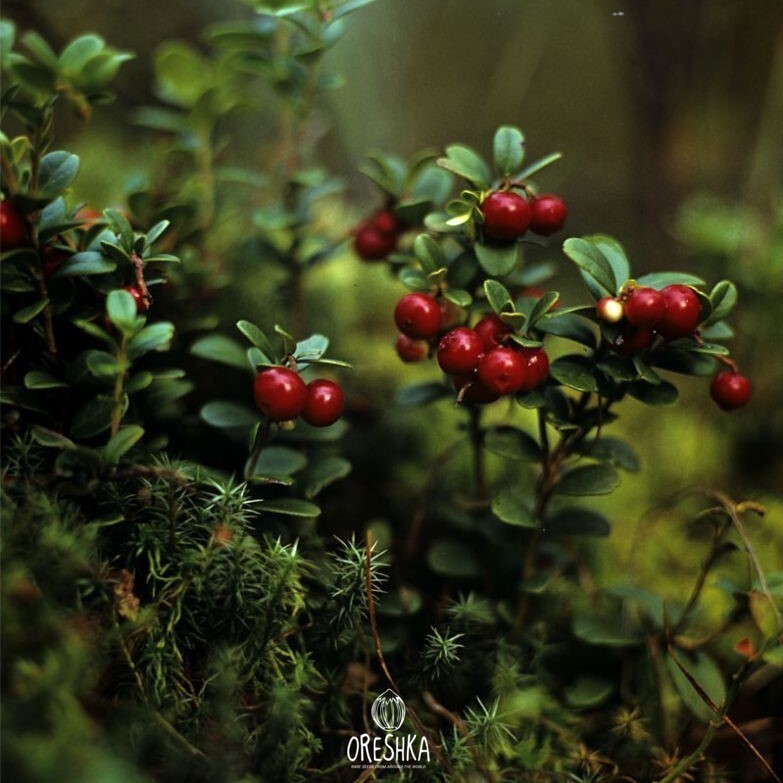
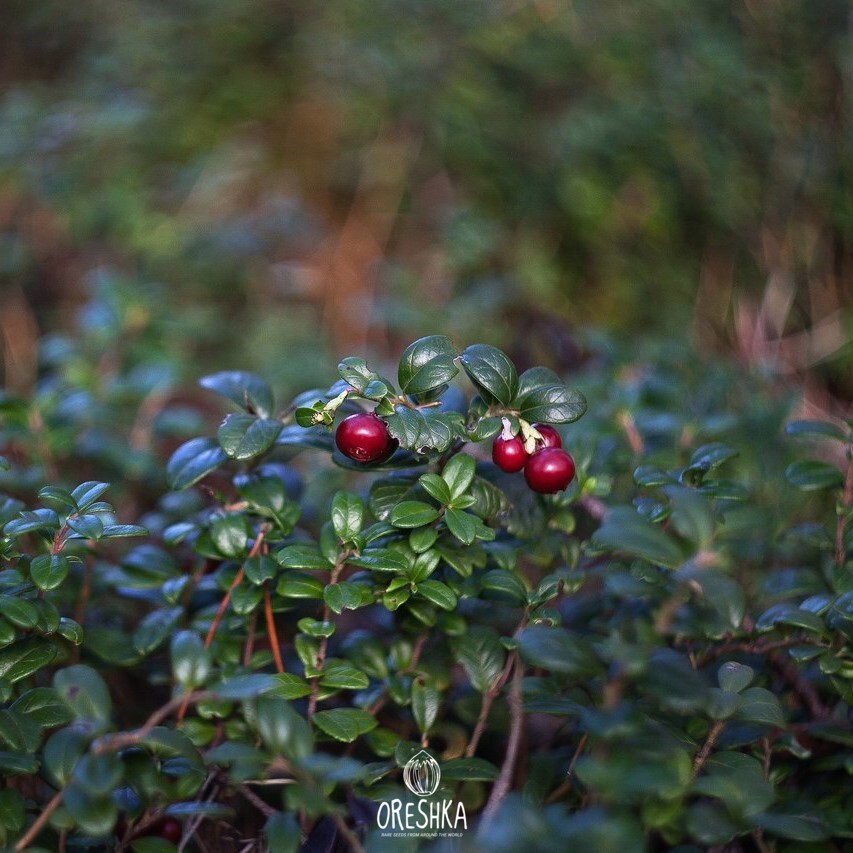
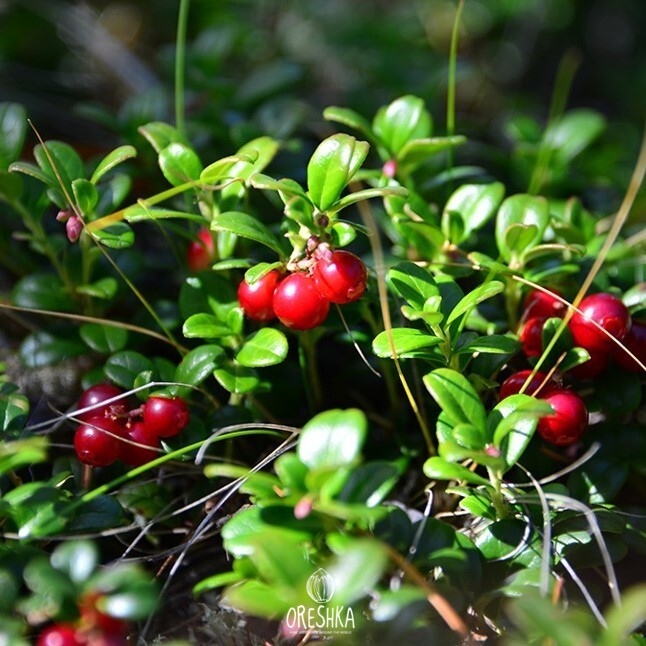
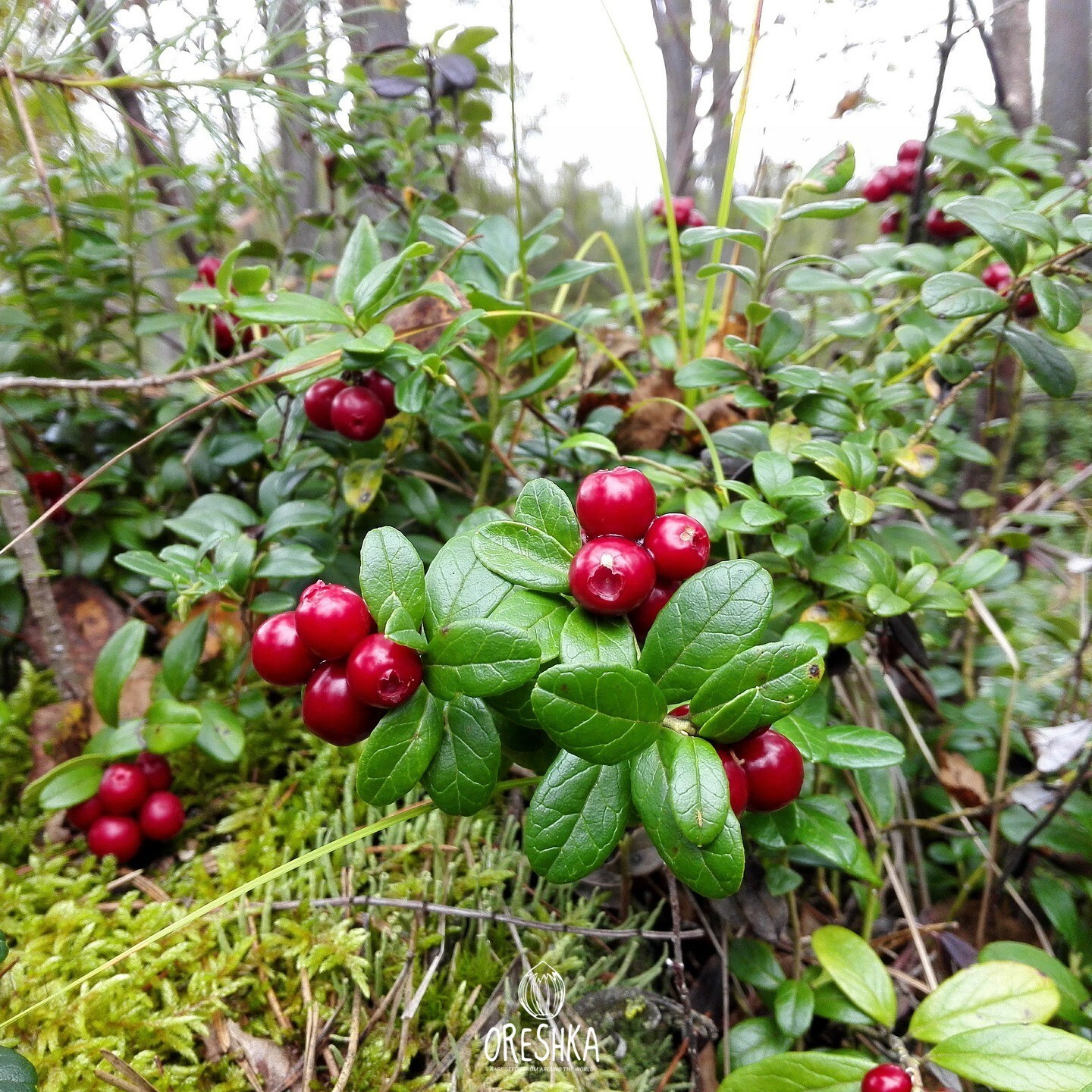
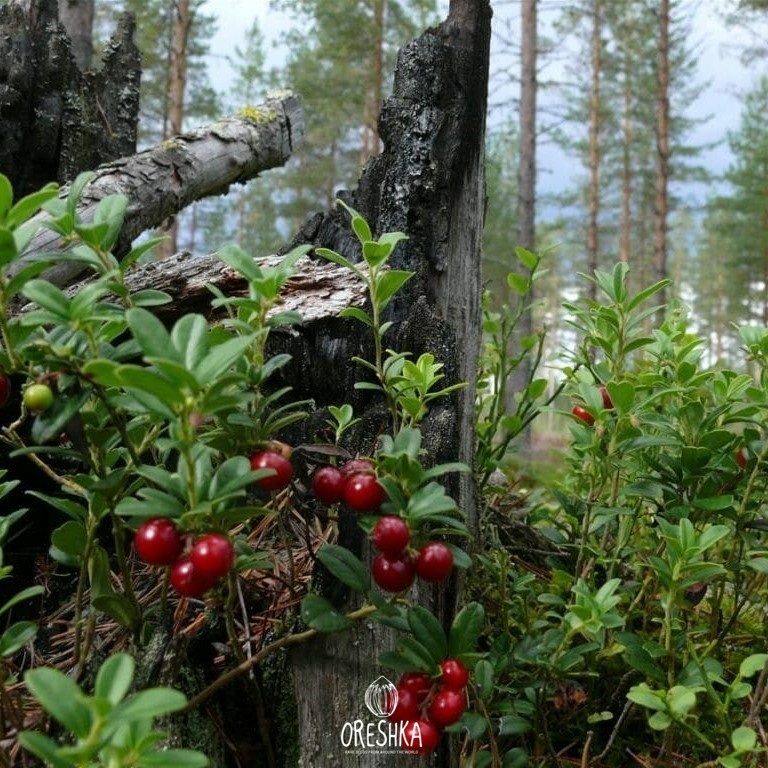
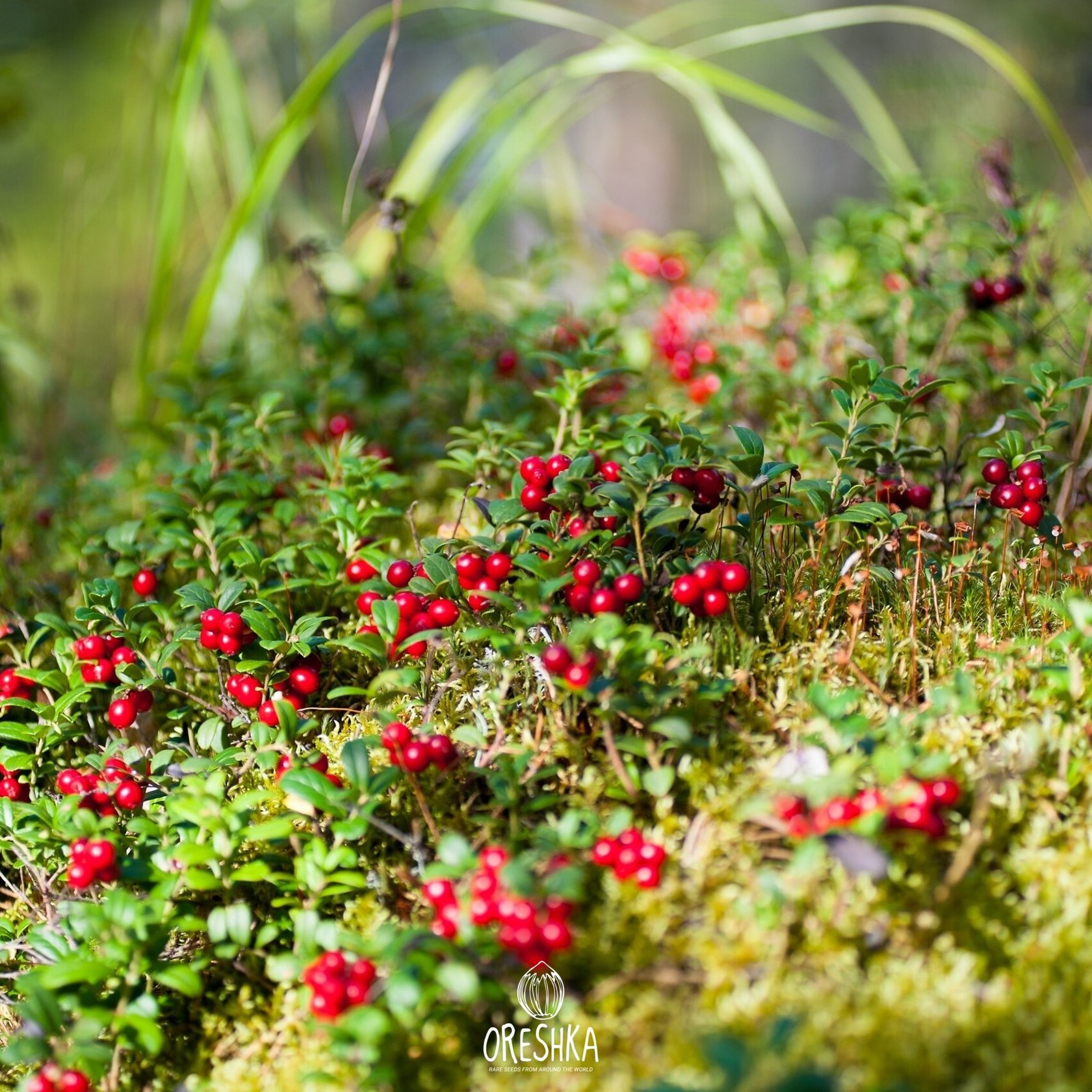
Vaccinium vitis-idaea is a low, evergreen, creeping shrub of the boreal forests and Arctic tundra — native across Scandinavia, Russia, Canada, Alaska, and mountainous central Europe. It grows 8–20 cm tall, spreads indefinitely by creeping rhizome, and produces small (up to 8 mm) bright red berries with a distinctive sweet-sour flavour that is deeply embedded in the food cultures of Sweden, Finland, Norway, Russia, and the Baltic states.
It is arguably the most cold-hardy cultivated berry plant on Earth — rated USDA Zone 2, tolerating −46°C, growing above the Arctic Circle at 70°N latitude. It thrives in the same conditions that make gardening difficult: poor, acidic soil, cold winters, and short growing seasons. Its one inflexible requirement is an acid growing medium (pH 4.5–5.5) — a condition it shares with blueberry, cranberry, and heather.
Seeds require no stratification — surface sow onto acidic compost. Germination is reliable but seedlings are tiny for the first 2–3 months. Patience is essential. Acid soil (pH 4.5–5.5) is non-negotiable. About our collection →
Quick facts
Vaccinium vitis-idaea at a Glance
Growing guide
How to Grow Lingonberry from Seed — Step by Step
No cold stratification needed. Surface sow only. Acid compost (pH 4.5–5.5) is essential throughout.
- 01Acidic Medium — The First and Most Critical StepBefore anything else, prepare the correct growing medium. Use ericaceous (acidic) compost mixed with perlite (2:1), or sphagnum peat with perlite. Never use standard compost — its pH of 6–7 prevents nutrient uptake in all Vaccinium species. This is the single most common reason lingonberry cultivation fails in temperate gardens. Test the pH with an inexpensive soil meter if unsure.
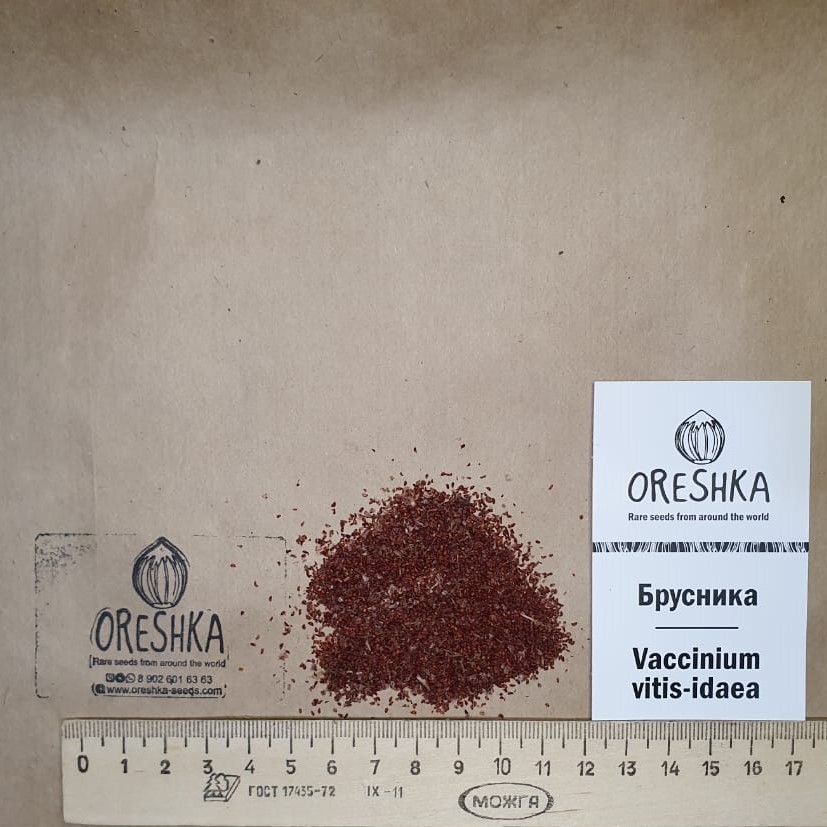
- 02Surface Sow — Do Not Cover the SeedsLingonberry seeds are tiny (0.5–1 mm) and require light to germinate. Moisten the acidic compost surface, then scatter seeds evenly across the surface. Press gently with a flat surface to ensure seed-to-compost contact. Do not cover with compost — burial prevents germination. Cover the container with clear glass or plastic film to maintain humidity.
- 03Germination — 4 to 8 WeeksKeep at 15–20°C in bright indirect light. Seeds germinate in 28–56 days. The first seedlings are extremely small — barely visible threads of green. Do not disturb the tray. Water only by base watering (stand in a shallow tray of water for 10 minutes) or the finest possible mist, to avoid washing away seedlings. Gradually increase ventilation as seedlings develop.
- 04Seedling Care — Slow but SteadyGrowth is slow — 2–5 cm in the first 6 months is normal for Vaccinium seedlings. Maintain consistent moisture with rainwater or filtered water — tap water in hard water areas raises pH over time. Feed fortnightly with half-strength ericaceous fertiliser. Prick out individual seedlings into 5–7 cm pots of acidic compost when they reach 3–4 cm, handling with a dibber under the root.
- 05Plant Out in Acid Soil — Second or Third YearPlant out when roots fill the pot, in second or third year. Prepare the bed with ericaceous compost dug in to 30 cm depth and a pine bark or sphagnum peat mulch. Plant 30–40 cm apart. Vaccinium vitis-idaea spreads by rhizome to form dense ground cover — allow space. Water with rainwater. An annual top-dressing of pine bark maintains soil acidity and moisture. In alkaline areas, grow in raised beds or containers of pure acidic compost.
- 06Two Harvests Per Year from Year 3–4First berries appear in year 3–4 from seed. The primary harvest in August–September produces bright red, multi-seeded berries up to 8 mm diameter. In favourable conditions a second smaller crop follows in October–November after first frosts — frost improves sweetness and reduces astringency. Collect by hand or use a berry comb (lingonberry rake). Use raw within 1 week, preserve as jam, or store raw with minimal sugar — the natural benzoic acid content keeps them without heating.
The traditional Scandinavian raw lingonberry preserve — rårörda lingon — is the simplest and most useful application of the home-grown crop. Wash freshly picked berries, stir with 100 g of sugar per 500 g of berries (not cooked, not heated), and seal in sterilised jars. The combination of benzoic acid (natural preservative), malic acid, and citric acid in the berries keeps the preserve refrigerated for 3–6 months without any heating. The flavour is far superior to cooked jam — fresh, vivid, and bright. Once you have grown your own lingonberries, the supermarket jar will taste flat by comparison.
Compare
Lingonberry vs. Blueberry vs. Cranberry
| Feature | Vaccinium vitis-idaea Lingonberry · P31 | Vaccinium corymbosum Highbush Blueberry | Vaccinium macrocarpon Cranberry |
|---|---|---|---|
| USDA Zone | Zone 2 · −46°C | Zone 4–5 · −29°C | Zone 3–4 · −34°C |
| Height | 8–20 cm · ground cover | 1.2–2 m shrub | 5–20 cm · trailing |
| Soil requirement | pH 4.5–5.5 acid | pH 4.5–5.5 acid | pH 4.5–5.0 · boggy |
| Berry size | Up to 8 mm · small | Up to 20 mm · large | Up to 20 mm · large |
| Raw preserve | Yes — natural benzoic acid | Not traditional | Too tart raw |
| Harvests/year | 2 × per year (Aug + Oct) | 1 × per year | 1 × per year |
Avoid these
Common Mistakes When Growing Lingonberry from Seed
Using standard (non-acidic) compost
The single most common reason lingonberry cultivation fails. Standard compost at pH 6–7 causes iron and manganese deficiency — yellow leaves and stunted growth — within weeks. Always use ericaceous compost. Test soil pH before planting.
Covering the seeds when sowing
Lingonberry seeds need light to germinate. Surface sowing is not optional — covering the seeds with even 1–2 mm of compost significantly reduces germination. Press seeds onto the surface; do not bury.
Watering with hard tap water
Hard water (high calcium carbonate) gradually raises soil pH, reversing the acidification of ericaceous compost over months. Use rainwater, filtered water, or tap water acidified with a small amount of citric acid. In hard water areas this is the most important maintenance task for all Vaccinium.
Expecting fast growth
Lingonberry grows slowly from seed — 2–5 cm in the first 6 months. This is normal, not a sign of failure. Once established in acid soil it spreads reliably by rhizome. The investment in patience is repaid by a long-lived, self-sustaining ground cover that produces fruit for decades — rhizome systems in nature are estimated at over 100 years old.
FAQ
Frequently Asked Questions
How cold-hardy is Lingonberry?
Does Lingonberry need acidic soil?
What does Lingonberry taste like?
Can Lingonberry be grown in containers?
What is the difference between Lingonberry and Cranberry?
How long does Lingonberry take to fruit from seed?
The World's Hardiest Berry — Zone 2, Two Harvests Per Year
15 fresh seeds · −46°C hardy · Evergreen ground cover · Classic Scandinavian berry · Ships worldwide
Buy Seeds — €5.00 → Sale −40% · SKU P31 · 15 PCS · Vaccinium vitis-idaea · Oreshka Seeds