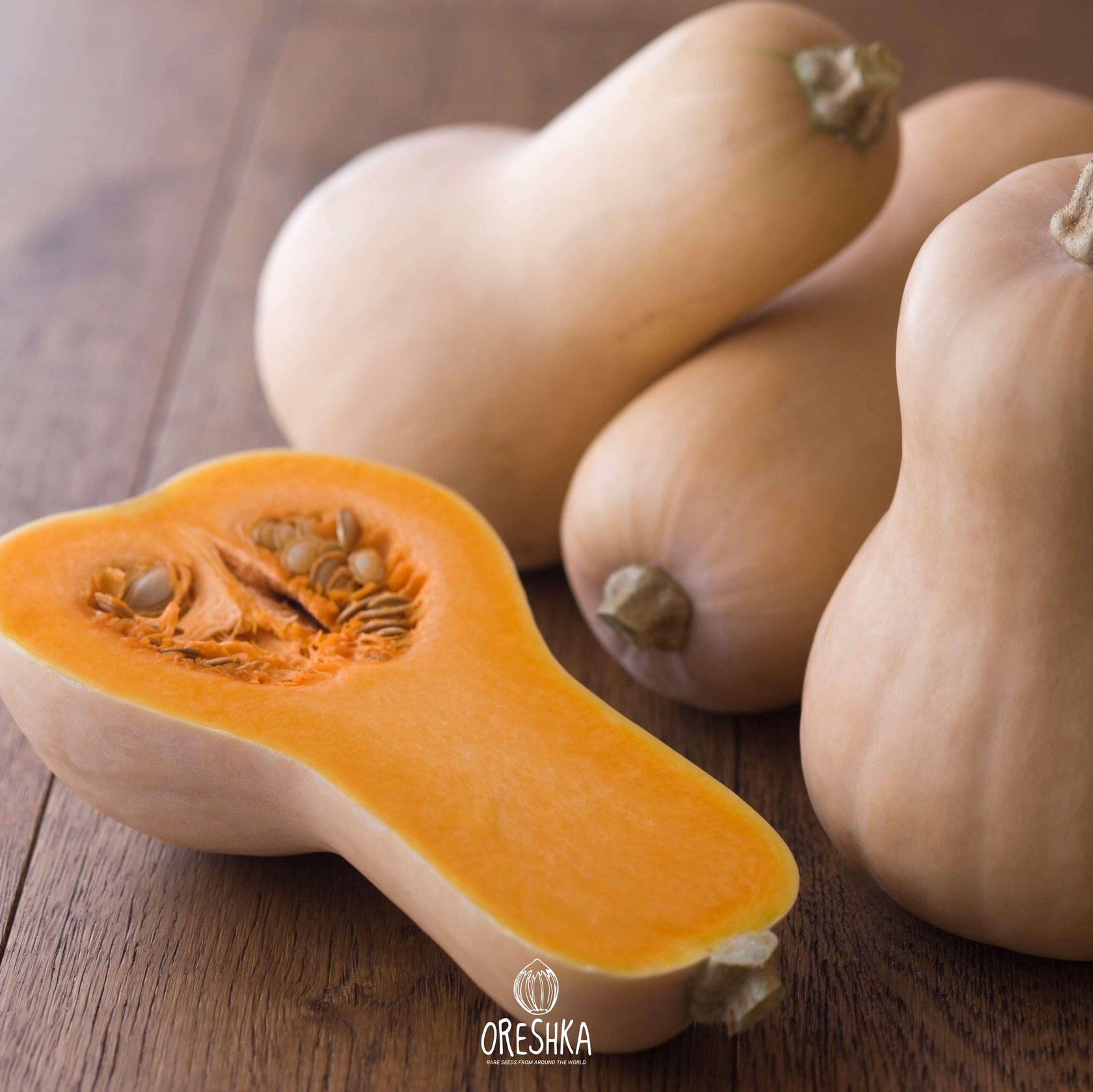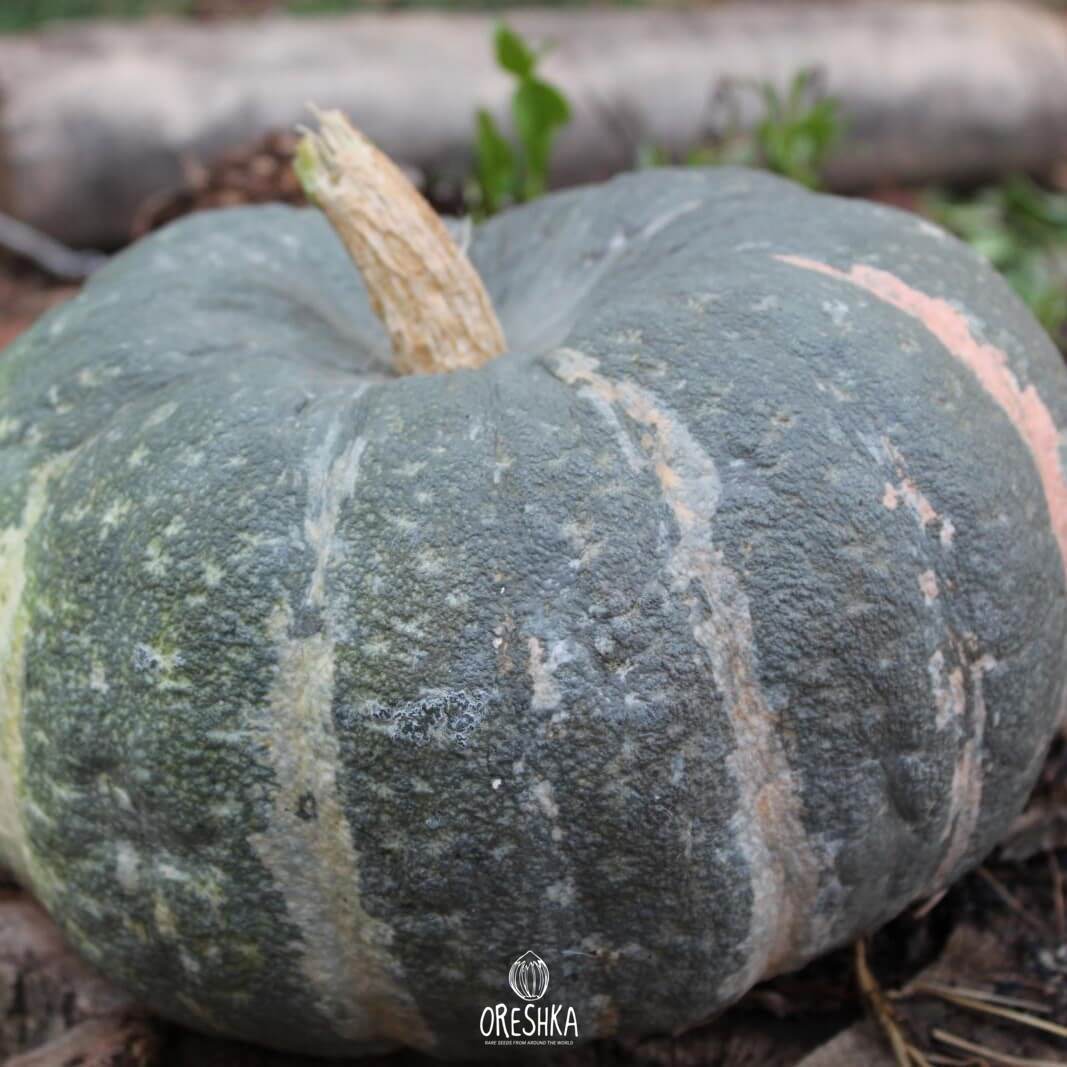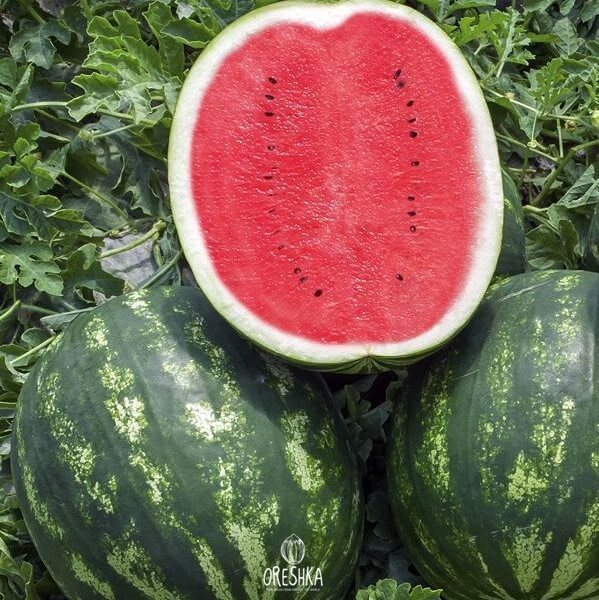

How to Grow Pumpkins and Melons from Seed
Warm soil, minimal root disturbance and correct timing for pumpkins, squash, muskmelons and watermelons.
Growing pumpkins and melons (Cucurbitaceae) from seed is reliable when each biological stage receives the right conditions. This guide separates preparation, germination and seedling care so that you can diagnose problems instead of guessing.
Successful seed raising is mostly a matter of controlling the seed zone rather than following the calendar blindly. Temperature refers to the growing medium, not merely the room, and moisture means an aerated mix that holds water without excluding oxygen. Record the sowing date, treatment and first emergence. Those notes make it possible to distinguish a slow biological process from a setup that truly needs correction.
Work cleanly: wash reusable containers, use fresh propagation mix and isolate any collapsed or mouldy seedling. A clear cover can stabilize humidity before emergence, but it must be ventilated and removed progressively after shoots appear. Labels should include the plant, batch and date; memory becomes unreliable once several trays are moving at different speeds.
What you need before sowing
Core equipment
- Fresh, correctly labelled seed
- Clean containers with drainage
- Airy seed-starting medium
- A thermometer at medium level
- Bright grow light or suitable daylight
- Labels and a dated growing record
Crop-specific checkpoint
Pumpkins, muskmelons and watermelons share broad warm-season needs but differ in spacing and days to maturity; use the variety label for the final field plan.
Prepare the whole setup before wetting the seed. This prevents an improvised change of container, depth or temperature halfway through the most sensitive stage.
How to grow pumpkins and melons (Cucurbitaceae) in 8 steps
1Prepare seed and equipment
Choose between direct sowing after the soil warms or starting in individual pots only 3–4 weeks before transplanting. Cucurbit roots dislike disturbance.
Apply this condition consistently across the tray. Large differences between cells usually come from uneven depth, contact with the mix, heat or watering—not from the calendar alone.
2Set the temperature
Aim for about 25–30°C (77–86°F) for germination. Melon physiology research places the common optimum at 25–30°C.
Apply this condition consistently across the tray. Large differences between cells usually come from uneven depth, contact with the mix, heat or watering—not from the calendar alone.
3Sow at the correct depth
Sow most melon and squash seed about 1.25–2.5 cm (1/2–1 inch) deep, following the packet when seed size differs.
Apply this condition consistently across the tray. Large differences between cells usually come from uneven depth, contact with the mix, heat or watering—not from the calendar alone.
4Manage the waiting period
Melons often emerge in 3–10 days and pumpkins or squash in about 5–10 days under warm conditions.
Observe the plants before intervening. Healthy progress is more useful than forcing a fixed date, and small adjustments are safer than sudden changes in heat, light or moisture.
5Introduce light
Give indoor seedlings strong light immediately. Outdoors, select full sun and enough space for the mature vine.
Observe the plants before intervening. Healthy progress is more useful than forcing a fixed date, and small adjustments are safer than sudden changes in heat, light or moisture.
6Control moisture and airflow
Keep the seed zone evenly moist but not saturated. Once established, water deeply at soil level rather than repeatedly wetting foliage.
Observe the plants before intervening. Healthy progress is more useful than forcing a fixed date, and small adjustments are safer than sudden changes in heat, light or moisture.
7Transplant without a setback
Harden plants for 7–10 days and move them without breaking the root ball after frost danger and once the soil is warm.
Observe the plants before intervening. Healthy progress is more useful than forcing a fixed date, and small adjustments are safer than sudden changes in heat, light or moisture.
8Build the mature plant
Mulch after soil warming, guide vines before they become brittle and preserve pollinator access once male and female flowers open.
Observe the plants before intervening. Healthy progress is more useful than forcing a fixed date, and small adjustments are safer than sudden changes in heat, light or moisture.
How to read the seedling instead of the calendar
A seedling communicates through proportion and colour. A long, pale stem leaning toward one side usually asks for stronger or more evenly distributed light. A compact seedling that has stopped expanding may be cold, root-bound or waiting for the next normal growth stage. Soft tissue at the soil line points toward excess moisture, poor airflow or contaminated mix and should be isolated quickly. Dry, crisp margins call for a check of heat, root moisture and the speed at which conditions changed.
Judge several plants, not one outlier. In a batch of pumpkins and melons (Cucurbitaceae), natural variation is expected, especially when seed is open-pollinated or collected from genetically diverse plants. A single late seed does not prove that the whole tray is cold, and one unusually fast seedling is not a reason to feed every cell. Use the average response of the batch and change one variable at a time.
Fertilizer is not a germination treatment. Seedlings initially draw on reserves stored in the seed; once true leaves are functioning, a dilute balanced feed may be useful if the medium contains little nutrition. Apply it to already moist mix and watch the next several days before repeating. Pale growth can also come from cold roots, saturated mix or insufficient light, so adding more fertilizer without diagnosis may increase salt stress.
Before transplanting, inspect the root ball rather than pulling on the stem. White or light-coloured active roots and a cohesive but not tightly circling root system indicate a workable moment. Water in advance so the mix holds together, move the plant at the appropriate stage described below and protect it from abrupt sun, wind and temperature changes while it re-establishes.
Common problems and how to correct them
1. Sowing into cold wet soil
Check this variable first, then correct it gradually. Do not combine extra heat, extra water and fertilizer as a single rescue treatment; that makes the cause harder to identify and can add stress.
2. Starting indoors too early
Check this variable first, then correct it gradually. Do not combine extra heat, extra water and fertilizer as a single rescue treatment; that makes the cause harder to identify and can add stress.
3. Teasing apart cucurbit roots
Check this variable first, then correct it gradually. Do not combine extra heat, extra water and fertilizer as a single rescue treatment; that makes the cause harder to identify and can add stress.
4. Crowding long vines
Check this variable first, then correct it gradually. Do not combine extra heat, extra water and fertilizer as a single rescue treatment; that makes the cause harder to identify and can add stress.
5. Worrying when early flowers are male and set no fruit
Check this variable first, then correct it gradually. Do not combine extra heat, extra water and fertilizer as a single rescue treatment; that makes the cause harder to identify and can add stress.
Never judge a woody or slow-germinating batch by the timetable of tomatoes or squash. Conversely, do not leave a warm-season vegetable tray wet for weeks merely because a dormant tree seed requires patience. The plant-specific schedule above is the decision point.