

How to Grow Tiger Nut from Seed
Cyperus esculentus — Chufa · Earth Almond · Atadwe
Tiger nut is not a nut — it is the edible tuber of a sedge plant. Sweet, nutty, and creamy, with a fat profile similar to olive oil. The base of Valencia's traditional horchata de chufa. Naturally gluten-free and tree-nut-allergen-free. Used in paleo baking, plant-based milk, and as a prebiotic snack.

The plant
What is Tiger Nut — and Why is it Not a Nut?
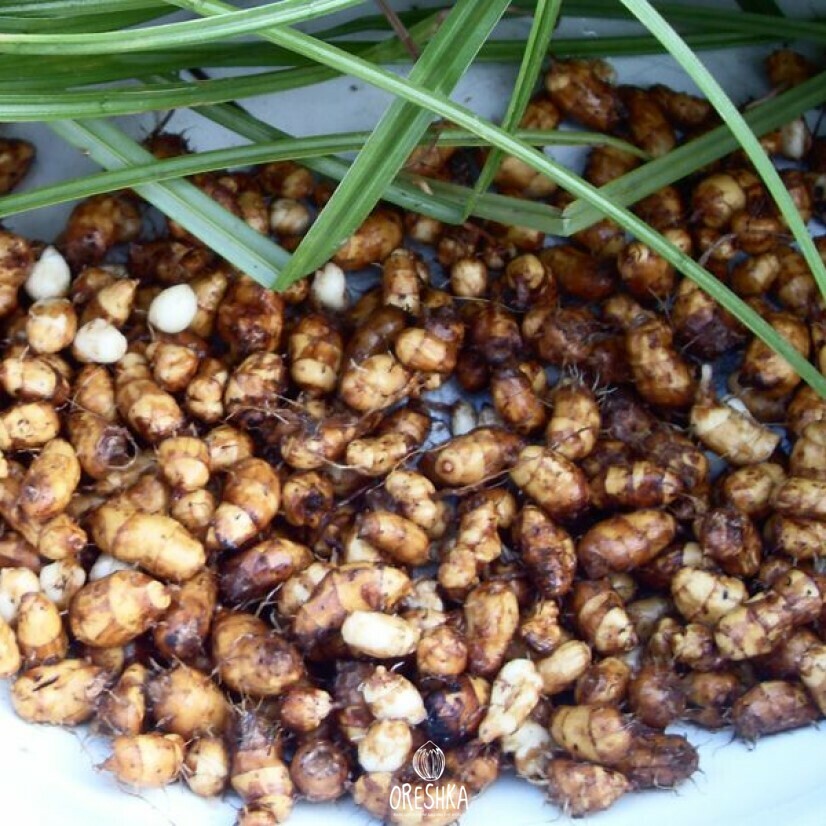
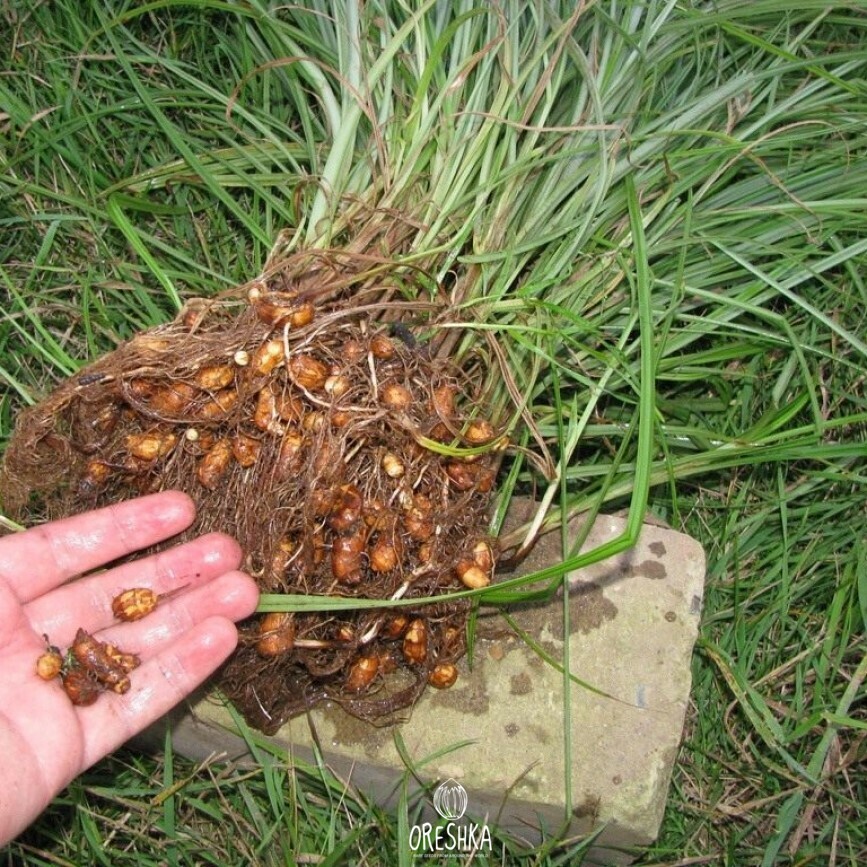
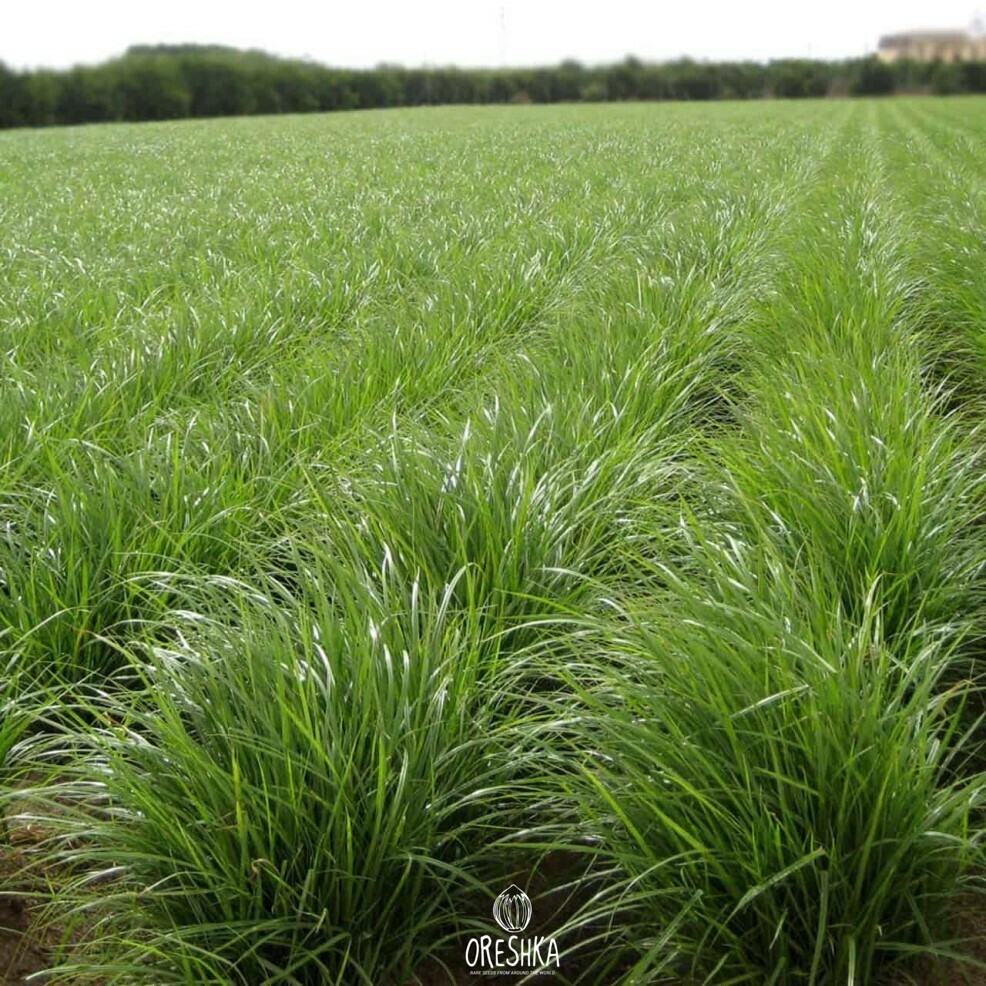
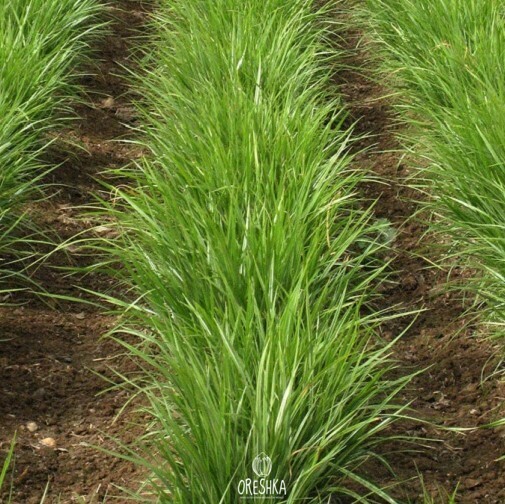
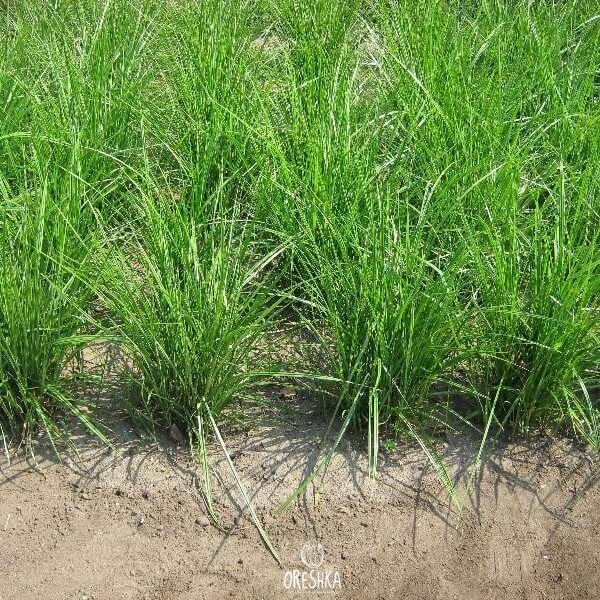
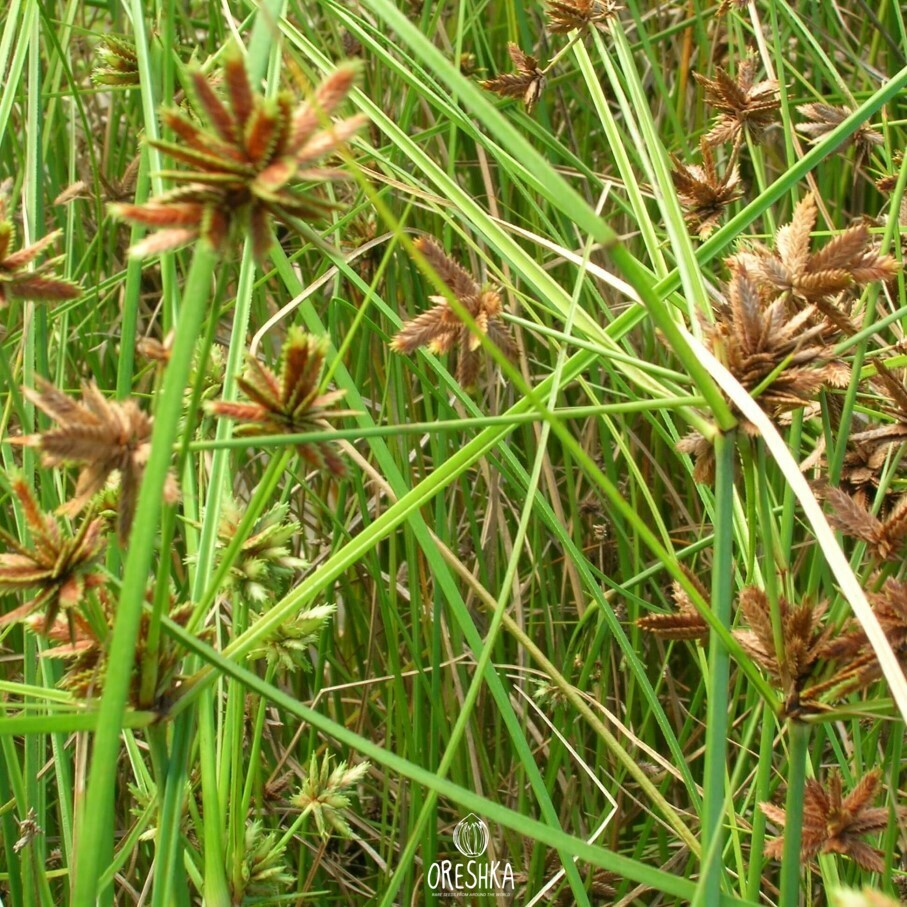
Cyperus esculentus is a perennial sedge in the Cyperaceae family — the same family as papyrus — that produces edible underground tubers on its root system. In cultivation it is grown as an annual: the plant grows above ground as a grass-like sedge (30–90 cm), spreading underground via stolons, and producing the sweet brown tubers (1–2 cm) that are the commercial product. Despite the name 'tiger nut', there is no botanical relationship to tree nuts. The tubers are safe for all nut-allergic individuals.
Tiger nut cultivation has two major centres: Spain (Valencia, where horchata de chufa has PDO status) and West Africa (Ghana, Côte d'Ivoire, where tubers are eaten as atadwe and used to make a local milk drink). Archaeological evidence from ancient Egypt shows tiger nut cultivation at least 4,000 years ago. Recent interest in paleo diets, prebiotic nutrition, and allergen-free baking has driven a new wave of cultivation in Europe and North America.
Organic, Non-GMO seeds. Grow in loose fertile soil in full sun. Harvest after first frost — tubers improve in sweetness after curing. About our collection →
Quick facts
Cyperus esculentus at a Glance
Growing guide
How to Grow Tiger Nut from Seed — Step by Step
- 01Start Indoors — 4 to 6 Weeks Before Last FrostSow seeds 1–2 cm deep in moist compost at 20–25°C, 4–6 weeks before outdoor planting time. Use a propagator mat for consistent bottom heat — it significantly improves germination speed. Germination is slow: 14–21 days at optimal temperature. Seedlings emerge as narrow grass-like shoots. Grow on in full light to prevent stretching. In warm climates (Mediterranean, continental summer), direct outdoor sowing after last frost is equally reliable.
- 02Plant Out — Warm Soil, Full SunPlant out after last frost when soil reaches 18°C. Space 15–20 cm apart in prepared loose, fertile soil. Full sun is non-negotiable — shaded plants produce poor tuber yields. Cyperus esculentus prefers loose, sandy or loamy soil where stolons and tubers can develop freely. Heavy clay significantly reduces yields; improve clay soil with sand and organic matter before planting.
- 03Summer Growing — Water ConsistentlyThe plant grows vigorously through summer as an attractive grass-like sedge 30–90 cm tall. Water regularly — consistent moisture gives the best tuber yield. Tolerates moderate drought but yields suffer. No feeding needed in fertile soil; in poor soil apply a low-nitrogen fertiliser every 4 weeks. The plant spreads underground via stolons producing tubers — allow space for expansion.
- 04Tuber Development — Underground from MidsummerTubers form on stolons 5–20 cm below the soil surface from July onwards. Tuber number and size increase as days shorten in late summer and autumn. Tubers are small (1–2 cm), oval, brown-skinned when dry. The above-ground growth gives no indication of tuber size — only at harvest will the full yield be apparent. In northern climates, starting indoors and using a warm, sheltered position maximises the growing season and tuber yield.
- 05Harvest — After First Frost, October to NovemberHarvest after foliage dies back following the first frost (October–November). Dig 20–30 cm deep across the entire root zone and sift the loosened soil to recover all tubers. Fresh tubers must be soaked 24–48 hours before eating — they are very hard when first harvested. For storage, spread tubers in a single layer in a warm, airy place and cure for 2–4 weeks until they shrink slightly and harden. Cured tubers develop their characteristic sweet flavour and keep 6–12 months.
- 06Use — Snack, Horchata, Flour, Plant-Based MilkSoaked and eaten raw: sweet, chewy, nutty. Roasted dry: crunchy snack. Ground from dried tubers: tiger nut flour for paleo baking. Horchata: soak overnight, blend at high speed with water (1:3 ratio), strain through muslin, sweeten to taste, serve ice-cold. Plant-based milk: same process as horchata but less sweet. Tiger nut flour substitutes wheat flour in biscuits, pancakes, and cakes with a naturally sweet coconut-almond flavour — no additional sweetening needed in most recipes.
The simplest homemade horchata: soak 200 g of cured tiger nuts in 600 ml cold water overnight (minimum 8 hours, ideally 24). Blend at maximum speed for 2–3 minutes. Strain through a fine muslin cloth, pressing to extract maximum liquid. Add 2–3 tablespoons of sugar and a pinch of cinnamon. Chill for at least 2 hours. Serve poured over ice. The flavour is unmistakeable — sweet, creamy, with almond and coconut notes — and entirely different from commercial horchata. The residue from straining (tiger nut pulp) can be dried and used as flour in baking — nothing is wasted.
Compare
Tiger Nut vs. Almond vs. Chestnut — Allergen-Free Alternatives
| Feature | Cyperus esculentus Tiger Nut · Z2b | Prunus dulcis Almond | Castanea sativa Sweet Chestnut |
|---|---|---|---|
| Botanical type | Sedge tuber — NOT a nut | Tree nut — seed of drupe | Tree nut — seed |
| Tree nut allergen | None — allergen-free | Major tree nut allergen | Low allergenicity |
| Fat profile | Oleic acid dominant — olive-oil like | Oleic acid dominant | Low fat · mostly starch |
| Key carbohydrate | Resistant starch — prebiotic | Low carb | Digestible starch |
| Gluten-free flour? | Yes — paleo baking base | Yes — almond flour | Yes — chestnut flour |
| Grow at home | Yes — annual, from seed | Tree — 3–5 yr to fruit | Tree — 5–10 yr to fruit |
Avoid these
Common Mistakes When Growing Tiger Nut
Growing in shade or part-shade
Full sun is essential for productive tuber yields. In partial or full shade, the plant grows but produces few tubers. Choose the sunniest position available — south-facing, unshaded, all day if possible.
Planting in heavy clay soil without improvement
Tiger nut tubers form on stolons in the soil — heavy clay restricts stolon spread and tuber development. Improve heavy clay by incorporating sharp sand and organic matter before planting, or grow in raised beds with free-draining compost.
Eating freshly harvested tubers without soaking
Fresh tiger nuts are very hard — almost woody — and must be soaked in water for 24–48 hours before eating to achieve the soft, chewy texture. Attempting to eat them unsoftened is unpleasant and potentially risks dental damage. Cured, dried tubers also require soaking before use.
Leaving tubers in the ground (in warm climates)
Any tubers left in the ground after harvest will regrow next season and potentially spread aggressively. In temperate climates, winter cold prevents this. In warm climates (Zone 8+), harvest all tubers thoroughly. Grow in a contained raised bed to prevent uncontrolled spread.
FAQ
Frequently Asked Questions
What is a Tiger Nut — is it a nut?
What is horchata de chufa?
Are Tiger Nuts gluten-free and allergen-free?
What is the nutritional value of Tiger Nuts?
How do you eat Tiger Nuts?
Can Tiger Nut be invasive?
The Tuber That Became Horchata — Allergen-Free, Prebiotic, Ancient
10 organic seeds · Non-GMO · Gluten-free harvest · Olive-oil fat profile · Ships worldwide
Buy Seeds — €3.75 → Sale −40% · SKU Z2b · Organic · Cyperus esculentus · Oreshka Seeds