How to Grow Violgo Sweet Pepper from Seed
Violoncello Pepper · German Breeding · Bright Lilac at Harvest · No Staking Required
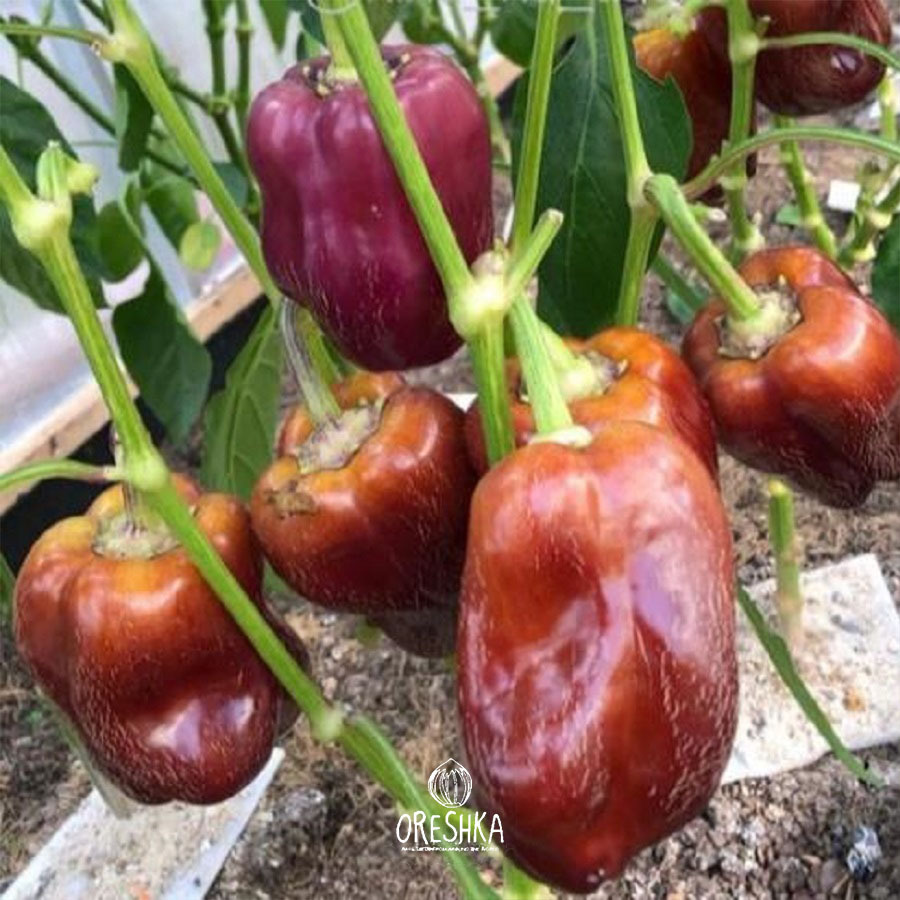
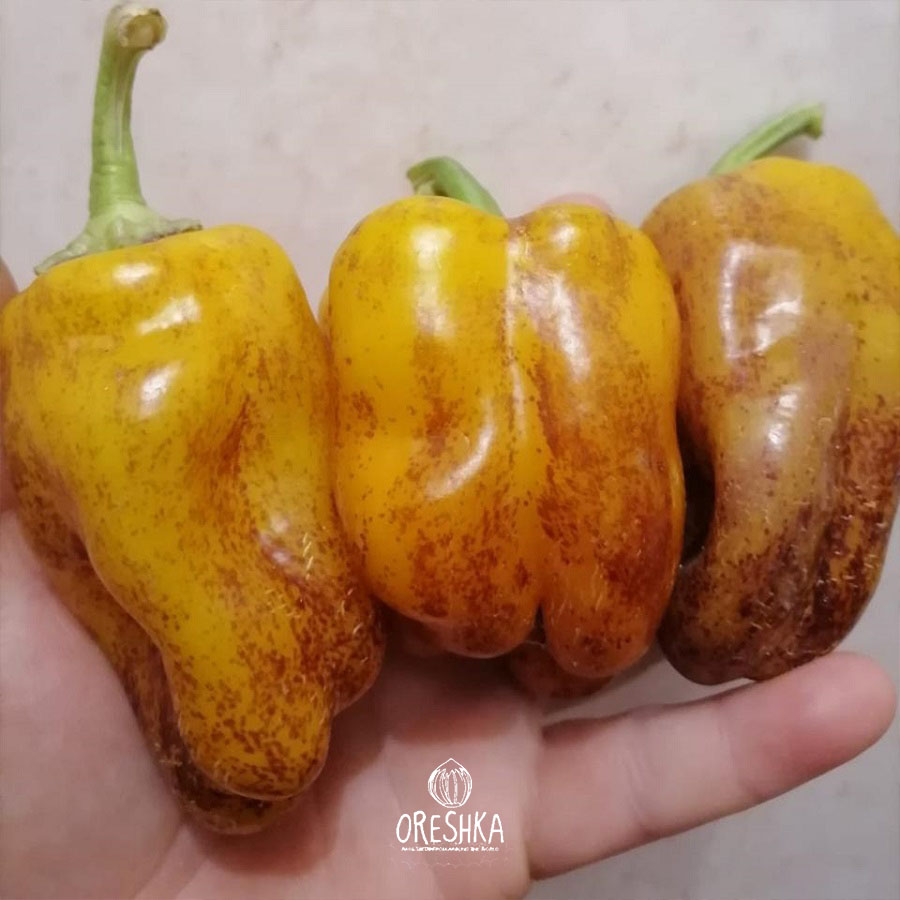
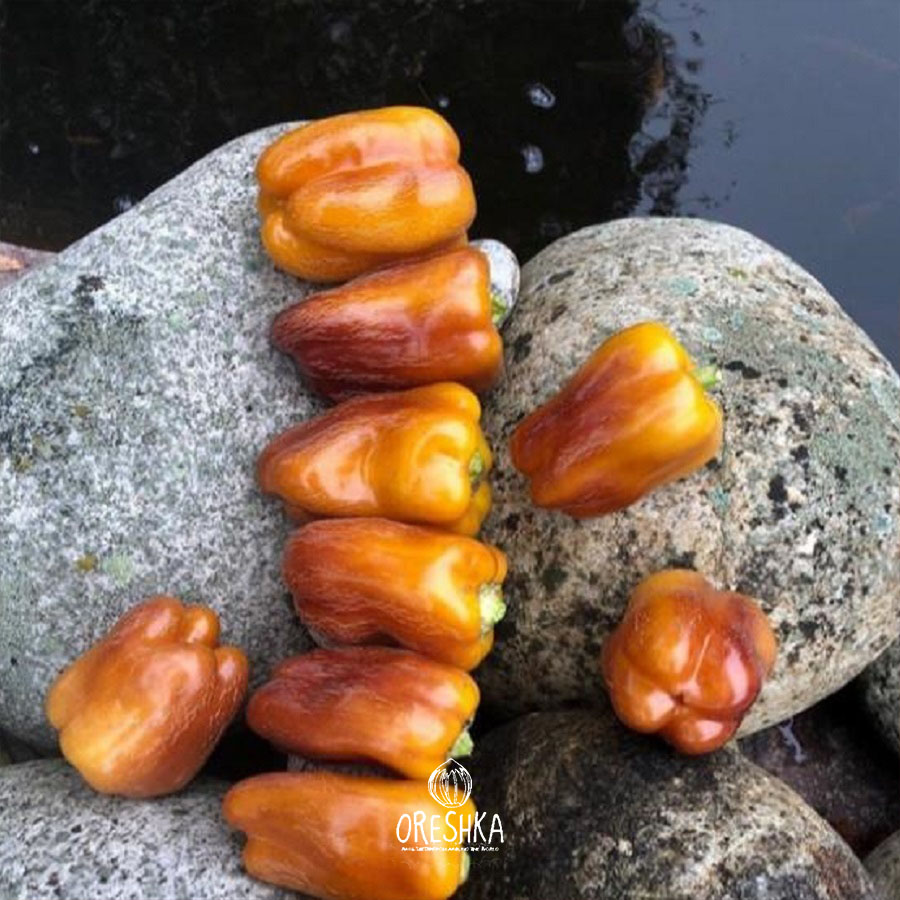
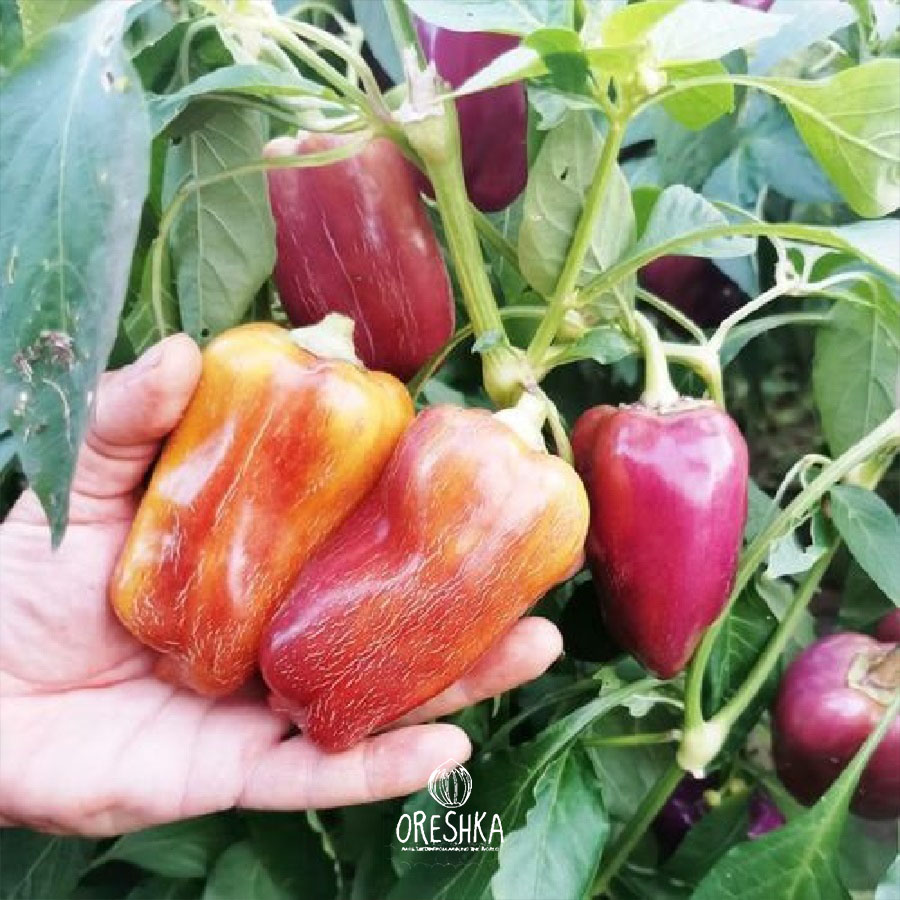
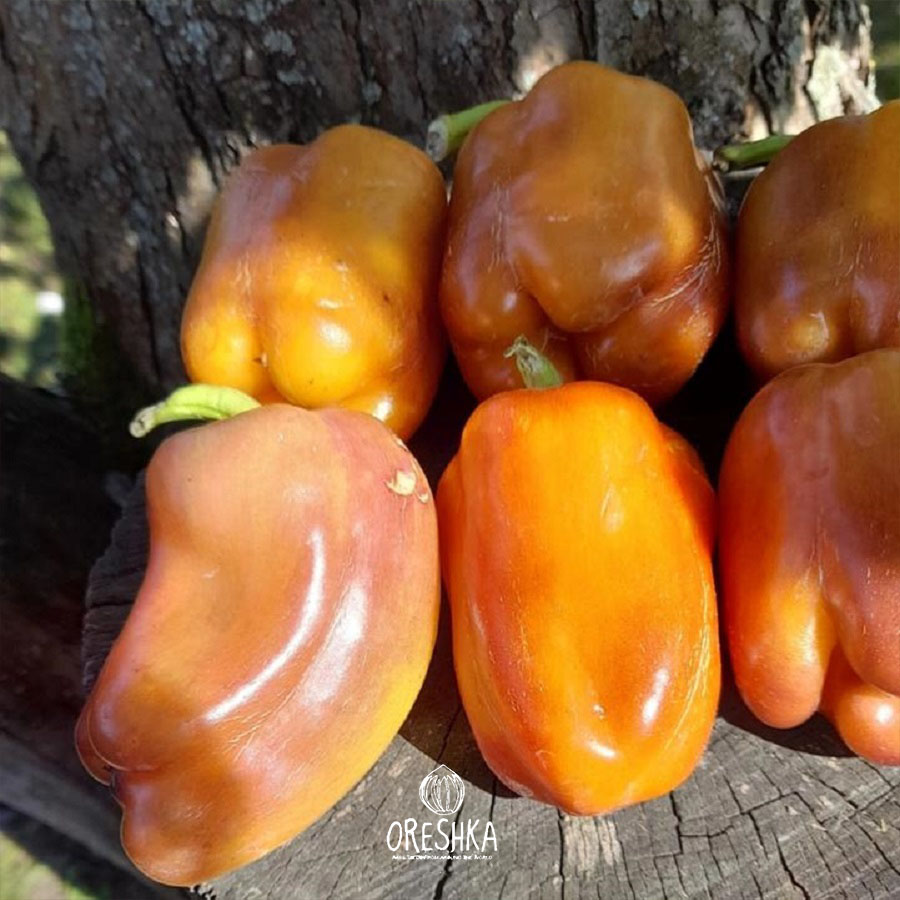
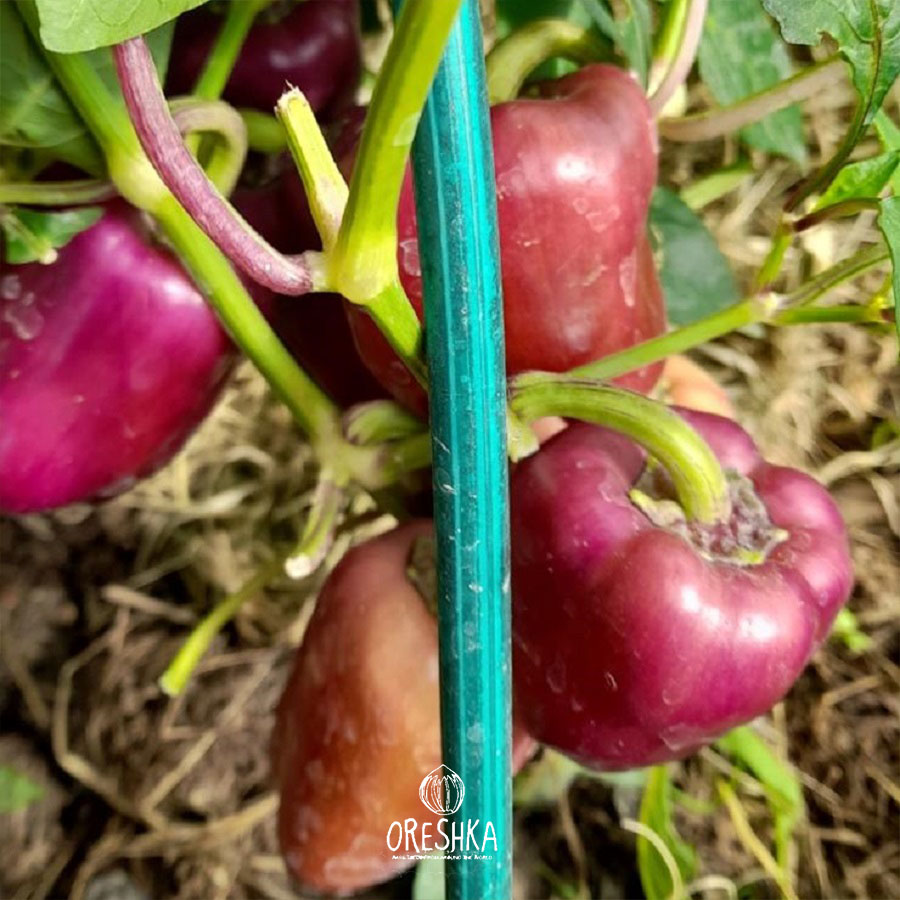
A German specialty sweet pepper unlike any other — fruits ripen through bright lilac to yellow-brown-purple with streaks. No standard red or yellow pepper looks like this on the plant or on the plate. Juicy and very sweet, 12 cm cuboid, 7–8 mm walls. Compact 50 cm bush, no staking required. Ideal for stuffing, fresh salads, and canning.
The variety
What is Violgo Pepper — and Why Does it Turn Lilac?
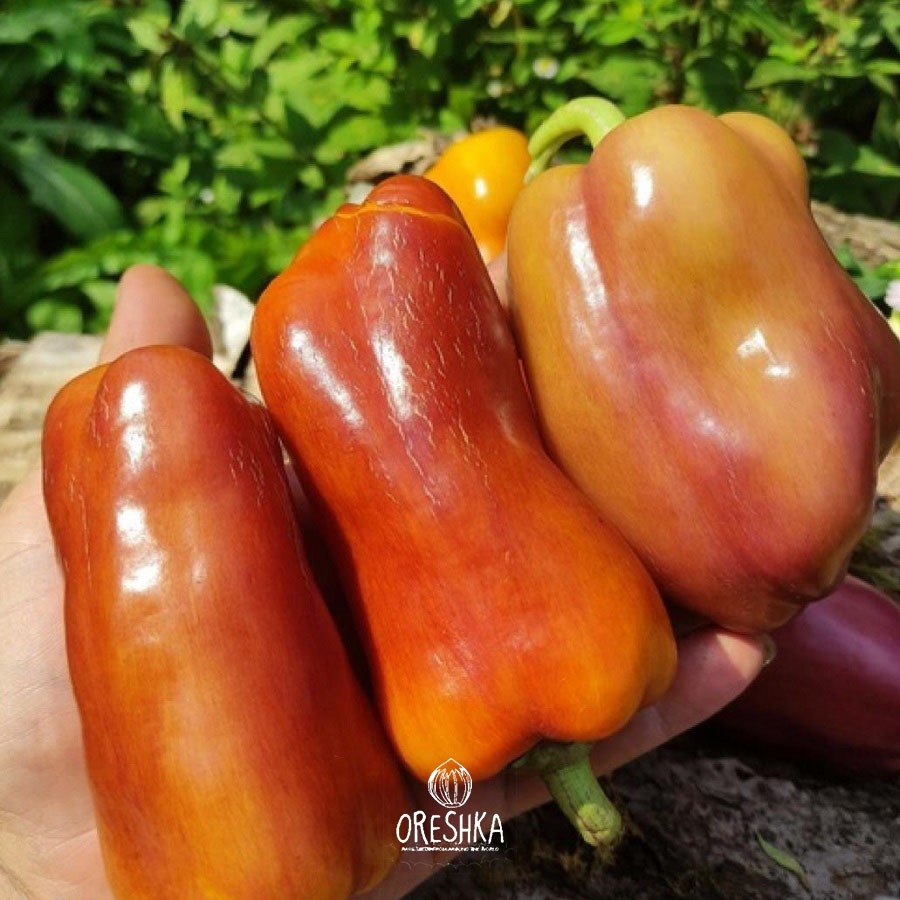
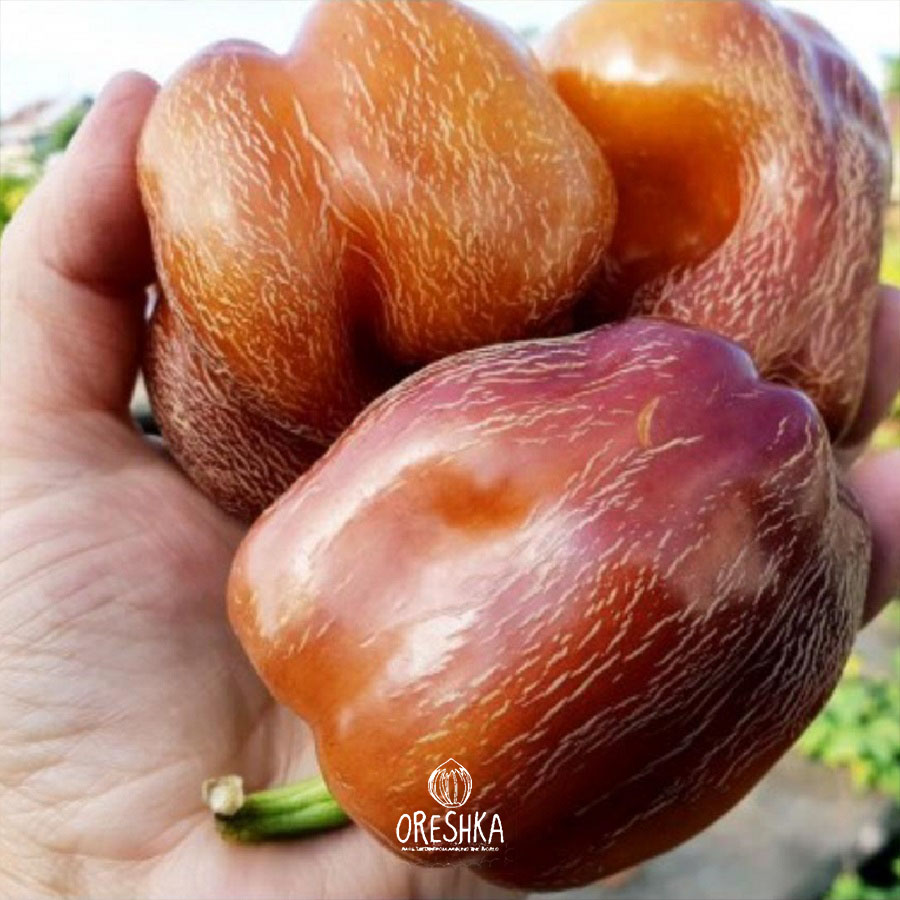
Violgo (full name: Violoncello) is a mid-early, high-yielding sweet pepper variety from Germany, producing cuboid fruits 12 cm long and 6 cm in diameter with a distinctive two-stage colour development found in no standard red or yellow pepper variety. At technical maturity — when the fruit has reached full size and is ready to eat — the colour is bright lilac-violet. As it continues to full biological ripeness, it transitions through yellow-brown-purple with characteristic streaks and surface cracks that develop in the skin.
The plant is compact, reaching 50 cm, with no staking required — a practical advantage for allotment and home garden growing. The 7–8 mm wall thickness gives Violgo the body needed for stuffing (the cuboid shape is ideal for stuffed pepper dishes) and the juicy, very sweet flesh makes it outstanding for fresh eating and canning. Suitable for both greenhouse and open-ground cultivation.
Organic specialty German variety. 5 seeds. Pre-germinate in damp cloth at 20°C before sowing. Day/night temperature differential essential for strong seedlings. About our collection →
Quick facts
Violgo Pepper at a Glance
Growing guide
How to Grow Violgo Pepper from Seed — Step by Step
- 01Seed Treatment — 50°C Soak Then Pre-GerminateStep 1: soak seeds in water at exactly 50°C for 5–6 hours (use a thermos to maintain temperature). Step 2: wrap soaked seeds in a damp cloth at 20°C for 2–3 days until root tips appear. Only sow pre-germinated seeds showing a white root tip — this ensures uniformity and significantly improves the germination rate from 5 specialty seeds per pack.
- 02Sow 10–12 Weeks Before Last FrostPeppers need the longest indoor lead time of common vegetables. Sow pre-germinated seeds 1 cm deep in individual 7–9 cm pots at 22–26°C. Handle carefully — the emerging root tip is fragile. Once shoots appear, raise daytime temperature to 26–28°C. Night temperature must drop to 10–15°C — this diurnal range produces compact, strong seedlings and prevents damping-off.
- 0312+ Hours Light Daily — Feed TwiceMinimum 12 hours of light per day — grow lights are needed in northern winters and springs. When the first pair of true leaves appears: first dilute balanced fertiliser feed. When the second pair appears: second feed. Continue feeding every 2 weeks. Water with lukewarm settled water — cold water shocks pepper roots. Keep moisture moderate — never waterlogged.
- 04Harden Off and Plant Out at First Bud StageBegin hardening when seedlings form first buds (not flowers) and outdoor air temperature reaches 15–17°C. Never expose to below 13°C during hardening. Plant in final positions — 40–50 cm spacing, full sun. Violgo requires no staking. Suitable for greenhouse and open ground equally.
- 05Watch for Colour Change — Harvest at Lilac StageFruits develop green first, then transition to bright lilac at technical maturity — this is the primary harvest window. Lilac-stage fruits are firm, full-sized, juicy, and very sweet. For more concentrated sweetness and the distinctive yellow-brown-purple streaked appearance, leave on the plant to full ripeness. Regular harvesting encourages continued fruit set through the season.
- 06Use — Stuffing, Fresh, CanningThe cuboid shape and 7–8 mm thick walls make Violgo ideal for stuffed peppers — it holds its shape well during cooking. The colour is striking in raw salads. For canning, harvest at the lilac stage for best colour retention. The very sweet flavour (absent bitterness, zero heat) makes Violgo suitable for all uses including preserving in oil, pickling, and roasting where the colour deepens to a beautiful burnished violet.
The 50°C seed soak is critical but temperature-sensitive — too cold (below 45°C) and the pathogen-killing effect is lost; too hot (above 55°C) and seed viability is damaged. Use a kitchen thermometer and a small thermos flask: bring water to 52°C (it will drop to 50°C as you add seeds and close the thermos), seal, and leave for 5–6 hours without opening. The thermos maintains temperature far better than a bowl on a heat mat. After treatment, seeds are ready for the damp cloth pre-germination stage. With this two-stage preparation — thermal treatment plus pre-germination — you will sow only seeds that are confirmed viable and ready to grow, which matters significantly when the pack contains only 5 seeds.
Compare
Violgo vs. Californian Wonder vs. Kapia
| Feature | Violgo · Violoncello PE224 · Oreshka Seeds | Californian Wonder Standard blocky sweet pepper | Kapia Romanian thin-walled roasting |
|---|---|---|---|
| Colour | Lilac → purple-streaked · unique | Green → red standard | Green → red · thin |
| Wall thickness | 7–8 mm · thick · juicy | 5–6 mm · medium | 3–4 mm · thin · roasting |
| Shape | Cuboid · ideal for stuffing | Blocky · 4-lobed | Elongated · pointed |
| Bush height | 50 cm · no staking | 60–80 cm · staking helpful | 60–70 cm · staking needed |
| Sweetness | Very sweet · German bred | Sweet · standard | Very sweet · for roasting |
| Best use | Stuffing · fresh · salads | Stuffing · fresh · general | Roasting · ajvar · drying |
Avoid these
Common Mistakes When Growing Violgo Pepper
Skipping the 50°C seed soak
The warm soak is recommended for both pathogen elimination and seed coat softening. With only 5 seeds per pack, skipping it and losing 1–2 seeds to pathogens or slow germination is a disproportionate loss. Use a thermos for precise temperature maintenance — the 5-minute preparation is worthwhile for the pack value.
Uniform warmth day and night for seedlings
Keeping seedlings at 24°C around the clock produces leggy, poorly-developed plants. The 26–28°C day / 10–15°C night differential is not optional — it is the cultural practice that produces compact, stocky, vigorous Violgo seedlings. Use a heated propagator on a timer or move seedlings to an unheated room at night.
Planting out before 15°C air temperature
Peppers planted into cold soil or exposed to temperatures below 13°C suffer cold shock that sets growth back significantly — sometimes by 3–4 weeks. Wait until air temperature consistently reaches 15–17°C before outdoor planting. Hardening off must never include exposure to temperatures below 13°C.
Harvesting before the lilac colour develops
A common mistake is harvesting Violgo at the green stage (as one might with a standard pepper). The unique value of this variety is the lilac colour — allow full colour development before harvesting. Green Violgo fruits are edible but forfeit the visual drama and miss the sweetness peak that develops with the colour change.
FAQ
Frequently Asked Questions
Why does Violgo Pepper turn lilac — what causes this colour?
What does Violgo taste like?
Why does it need day/night temperature differential?
Why is it called Violoncello?
Does Violgo need staking?
Why only 5 seeds in the pack?
The Only Lilac Sweet Pepper — German Violoncello, No Staking, Very Sweet
5 organic seeds · Cuboid 12 cm fruits · 7–8 mm walls · Lilac → purple-streaked · Stuffing & fresh · Ships worldwide
Buy Seeds — €5.00 → Sale −40% · SKU PE224 · 5 PCS Organic · Violgo Violoncello Pepper · Oreshka Seeds