
How to Grow Matatabi (Actinidia polygama) from Seed
An evidence-led home method for cold-moist stratification, shallow sowing and the long germination wait of Matatabi, or silver vine.
What the evidence says before you sow
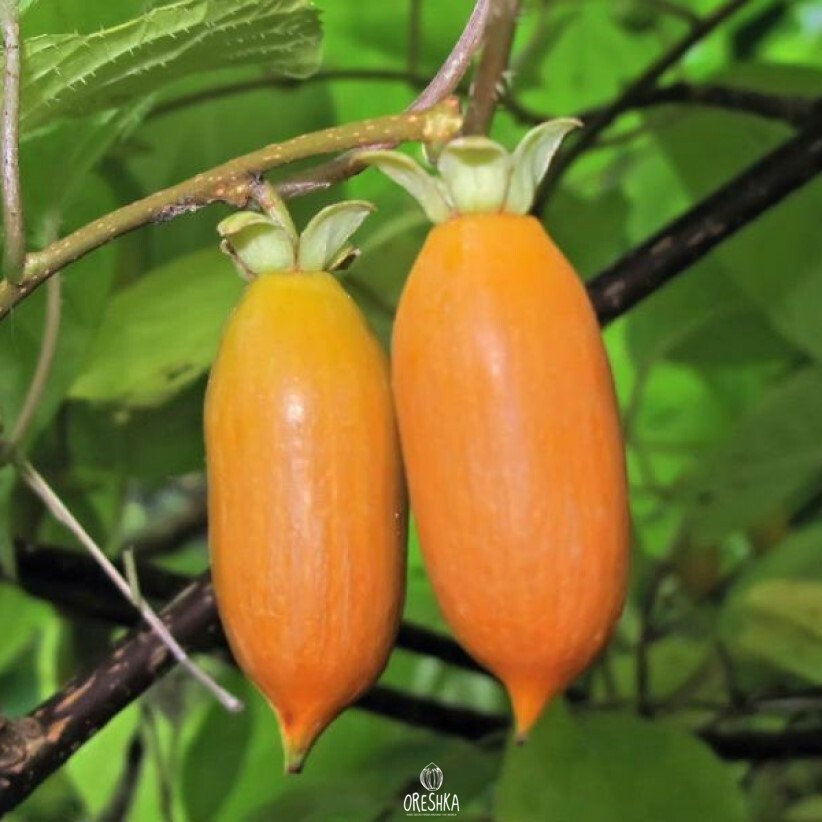
Matatabi, also called silver vine, is Actinidia polygama, a temperate woody climber native from the southern Russian Far East through China, Korea and Japan.[3] Correct identity matters: “silver vine” is also used informally for unrelated plants, so begin with a packet labelled with the botanical name.
A 2024 study reached a different result: 4 weeks at 5°C alone produced limited germination, and its strongest laboratory treatment for A. polygama combined cold stratification with manual clipping of part of the seed coat and endosperm in a controlled laboratory procedure.[2] These methods, seed sources and germination endpoints were not identical. The disagreement is a reason to use a conservative cold-moist treatment and a long observation period, not a reason to promise a percentage.
Seed-grown vines are genetically variable and may not match the parent in foliage, flowering or fruit traits.[8] Most Actinidia vines are male or female.[4] You normally cannot identify sex from juvenile leaves, so raising one seedling does not guarantee fruit. Grow from seed for the propagation experience and genetic diversity, not for a fixed harvest promise.
What you need
Prepare the cold stage and the sowing stage before opening the packet. Six labelled items make it easier to keep one measured process instead of changing several variables at once.
Authentic seed
A packet labelled Actinidia polygama; SKU Li34 contains 20 seeds in this draft.
Cold-stage container
One clean labelled bag or closed box plus barely moist, clean stratification medium.
Measured refrigerator
A stable area close to 5°C or 41°F; never use the freezer for the 8-week treatment.
Fine drained mix
Fresh seed-starting medium in a tray with at least 1 clear drainage route per cell.
Bright light
A timer capable of the 16-hour light period used in 1 published laboratory trial.
Gentle watering
A fine mister or bottom-watering tray that can moisten without leaving 1 pool of standing water.
Step-by-step: from cold treatment to seedling
Record the start date, refrigerator temperature, sowing date and first emergence. Eight numbered stages keep the long process observable and make later adjustments evidence-based.
Confirm identity and split the risk
Check for the name Actinidia polygama and record the packet date. If you have enough seed, reserve a small untouched reference portion and treat the main batch for 8 weeks; separating lots is more informative than mixing methods in one container.
Prepare a barely moist cold medium
Moisten clean fine vermiculite, milled sphagnum or another clean aerated medium, then squeeze out free water. The material should hold moisture without releasing drops; mix the seeds through it rather than placing them in a pool, and label the container with the 8-week finish date.
Cold-moist stratify near 5°C
Refrigerate the labelled container near 5°C or 41°F for 8 weeks.[1] Check it periodically for drying, condensation or premature germination, opening only as needed and returning it promptly to stable cold conditions.
Sow very shallowly after chilling
Fill a drained tray with fresh, fine seed-starting mix and moisten it before sowing. Place seeds on the surface, press them into contact and use no more than a dusting of mix; this shallow approach is a home adaptation because the published trials exposed seed on agar rather than comparing soil depths.
Use a warm-day, cool-night cycle when possible
After chilling, aim for roughly 24–25°C during the light period and 12–15°C during the dark period. Both species-specific studies used alternating temperatures.[1][2] A household with steady conditions should measure the actual seed-zone temperature before buying extra equipment.
Give bright light without claiming it is mandatory
The 2024 laboratory trial used a 16-hour light period.[2] At home, give bright light and keep the surface visible for inspection. Neither cited species-specific study directly tested light against darkness, so describe light as a defensible growing condition rather than a proven absolute requirement for germination.
Keep moist, aerated and patient
Maintain even moisture but never standing water, and ventilate a clear cover as soon as condensation remains heavy.[5] One study first recorded germination about 6 weeks after chilling and observed the batch for 20 weeks, so a clean dormant tray should not be discarded after a short wait.[1]
Pot up, harden off and add support
Once seedlings are established and easy to handle, move 1 seedling into each clean, drained pot while disturbing roots as little as possible. Harden plants gradually before outdoor exposure after local frost risk, then provide 1 sturdy support because a mature silver vine becomes a woody climber.[4][6]
First-season decisions that matter
Treat drainage as a growth condition
General Actinidia guidance warns that seedlings do not tolerate waterlogging.[4] Keep 1 seedling per clean pot, confirm that it drains freely, empty saucers after watering and wait until the surface begins to lose its wet sheen before repeating.
Separate propagation from fruit promises
Most Actinidia vines are dioecious, meaning male and female flowers occur on different plants.[4][7] Raise more than 1 seedling if fruit is a future aim, but do not claim a guaranteed sex ratio or a fixed year to bloom.
Adapt the site to local climate
Garden sources describe sun to partial shade, while broader kiwiberry guidance protects roots and vines from regional extremes.[6][7] Transition each seedling gradually to outdoor conditions and check local cold, heat and invasive-species guidance before planting outdoors.[10]
Keep cats and claims under control
Controlled research documents a strong behavioural response in many cats.[9] Use 1 continuous mesh barrier around the base while the vine is young, but do not claim that those studies establish unlimited chewing or ingestion as safe.
Looking for another slow, cold-treated fruit project? Read the Cloudberry growing guide.
Troubleshooting
Change one variable at a time and keep the dates. A long biological wait and a failing setup can look similar during the first several weeks.
No seedlings after several weeks
Cause: dormancy may be incomplete, the seed lot may respond differently, or the tray may still be within a normal long window.
Fix: if the tray remains clean and moist, retain it for up to 20 weeks after the 8-week cold stage and keep a dated photo record instead of digging.
White growth or a sour smell appears
Cause: excessive moisture, contaminated material and poor air exchange favour fungi and decay.
Fix: isolate the container, remove badly affected material with a clean tool, improve airflow and confirm that at least 1 drainage path per cell remains open.
Seedlings collapse at the soil line
Cause: damping-off organisms thrive in wet, crowded, poorly ventilated propagation conditions.
Fix: remove collapsed seedlings immediately, ventilate the cover, reduce saturation and move 1 healthy seedling into each clean, freely drained pot when it is sturdy enough.
Stems are long, pale and leaning
Cause: the light is too weak or one-sided after emergence, especially when temperatures remain warm.
Fix: use the published 16-hour light period as a cautious upper reference, reposition the tray if seedlings lean and reduce heat gradually rather than moving them into harsh midday sun.
Leaves wilt while the mix is wet
Cause: saturated medium can deprive roots of oxygen even when the plant appears thirsty.
Fix: empty standing water promptly, confirm at least 1 open drainage route and let the upper layer begin to aerate before the next measured watering.