How to Grow Wild Lily Martagon from Seed
Another slow, cold-loving European perennial for a patient seed project.
An evidence-led, safety-first method for the long cold stage, surface sowing and first years of monkshood, a hardy blue perennial in which every part of the plant is highly poisonous.
All parts of Aconitum napellus, including the seeds, contain aconitine and related alkaloids, with particularly high concentrations in the roots.[7][5] A toxicology monograph puts the lethal adult dose of aconitine at about 5 mg and notes that the alkaloid can be absorbed through the skin.[7] A clinical review of aconite poisoning reported an overall in-hospital mortality of 5.5%.[8]
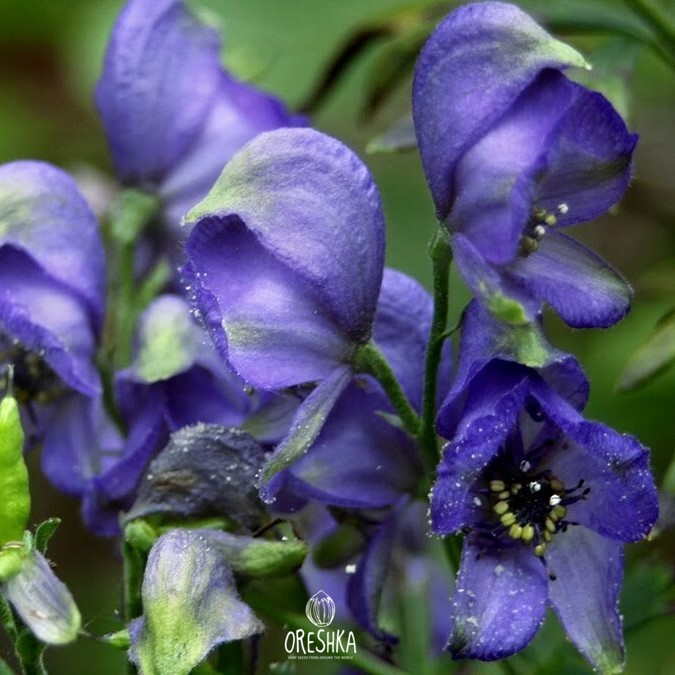
Monkshood, also sold as aconite, wolfsbane or blue rocket, is Aconitum napellus, a perennial in the buttercup family native to Western and Central Europe.[3] Gardeners grow it for tall, dense spires of hooded violet-blue flowers in mid and late summer on stems of 1–1.5 m.[4] It is very cold-hardy, rated H7 by the RHS and USDA zones 3–7 by NC State Extension.[4][5]
That dormancy type, called intermediate complex morphophysiological dormancy, means the embryo grows inside the seed during a long cold, moist period. A 2023 study of the related Aconitum barbatum found the same pattern: cold at 4°C was effective, a warm treatment was not, and seeds incubated in light germinated better than those kept dark.[2] In the 2010 study, seeds stored for 4 months germinated better than freshly harvested ones, and results changed between years and populations.[1]
Grow from seed for a patient propagation project and a group of genetically varied plants. The RHS lists 2–5 years for monkshood to reach maturity,[4] and no source we checked gives a reliable first-flowering year for seed-raised plants, so this guide does not promise one.
Most of the first 4 months happen inside the seed, with nothing visible on the surface. Plan the calendar before you sow.
Sow on moist, gritty seed mix, label the pot as toxic and record the date. Autumn sowing lets a natural winter supply the cold stage.
Keep the pot moist near 5°C, outdoors or in a refrigerator. In the 2010 study, 4 months of cold was the core of the strongest treatment.[1]
Move each seedling into its own pot once it has 1–2 true leaves and can be lifted by a leaf, never by the stem.
Keep young plants cool and evenly moist, then plant out into deep, moisture-retentive soil in partial shade.[4]
Six items cover the cold stage, the sowing and safe handling. Gloves are not optional with this plant.
Disposable or washable gloves used only for this plant, worn for every handling step.
A packet named Aconitum napellus; the current SKU T42 listing contains 20 seeds.
Fresh seed compost with fine grit, in a pot of about 9 cm with drainage holes.
A sheltered outdoor spot over winter, or a refrigerator area close to 5°C. Never the freezer.
Waterproof labels marked with the name, sowing date and the word TOXIC.
A shelf, cold frame or closed box out of reach of children and pets for the whole 4-month cold stage.
Record the sowing date, the start and end of the cold stage and the first emergence. Eight stages keep a slow process observable and safe.
Put on gloves before opening the packet and work on a surface away from food, drinks and kitchen equipment. Keep children and pets out of the room while seed is exposed, and wash gloves, hands and tools when you finish.[4]
Fill clean pots with fresh seed compost mixed with fine grit and water them from below until evenly moist. A free-draining mix matters because the pots will sit wet and cold for months.
Space seeds on the surface, press them into contact with the mix and add only a very thin layer of fine grit. Light improved germination in the related A. barbatum, and the 2010 trials were run in light, so do not bury the seed deeply.[1][2]
Either stand the pots outdoors in a sheltered, secure place from autumn to late winter, or seal each pot in a clear bag and keep it in the refrigerator near 5°C for up to 16 weeks. The 2010 study used 4 months at 5°C as the cold part of its strongest treatment.[1]
After the refrigerator stage, aim for about 20°C by day and 7°C by night in bright light, the regime that followed the cold in the strongest laboratory treatment.[1] An unheated greenhouse, cold frame or cool windowsill in late winter often comes close; outdoor pots get this naturally as spring arrives.
Keep the surface moist and ventilated and look for pale roots and a pair of seed leaves. Germination varied between years and seed populations in the published work, so a clean pot that shows nothing after the first spring is worth keeping for a second winter.[1]
When seedlings have 1–2 true leaves, wear gloves, lift each one by a leaf and move it into its own pot of gritty compost. Water from below and keep the pots in bright shade rather than hot sun.
Plant into deep, cool, moisture-retentive soil in partial shade; the RHS notes it tolerates full sun only where the soil is humus-rich and mulched.[4] Choose a border away from vegetable beds, play areas and places pets dig, because established plants resent being moved.[6]
Sow half outdoors in autumn and give the other half a measured refrigerator stage. If one method stalls, the other gives you a comparison instead of a single failed pot.
In the 2010 study, seeds stored for 4 months germinated better than freshly matured ones.[1] Keep a packet cool and dry until autumn sowing rather than sowing the day it arrives in spring.
Monkshood reaches 1–1.5 m with a spread of only 0.1–0.5 m.[4] Place it at the back of a shaded border where nobody brushes past it, and wear gloves when cutting stems.
All three are in the buttercup family and hardy to RHS H7; they differ in height, site and how much care handling needs.
| Feature | Aconitum napellusMonkshood | Trollius europaeusGlobeflower | Aquilegia vulgarisCommon columbine |
|---|---|---|---|
| Hardiness (RHS) | H7, below −20°C | H7, below −20°C | H7, below −20°C |
| Height | 1–1.5 m | 0.5–1 m | 0.5–1 m |
| Time to maturity | 2–5 years | 2–5 years | 2–5 years |
| Light | Partial shade | Full sun or partial shade | Full sun or partial shade |
| Soil moisture | Moist, cool, humus-rich | Moist to poorly drained | Moist but well drained |
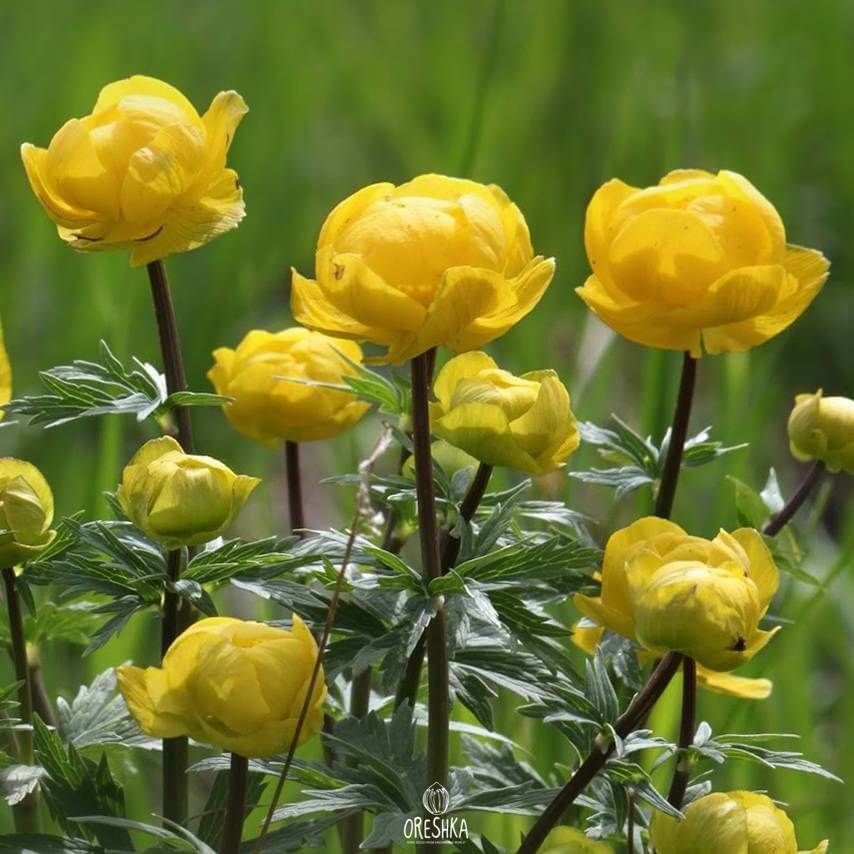
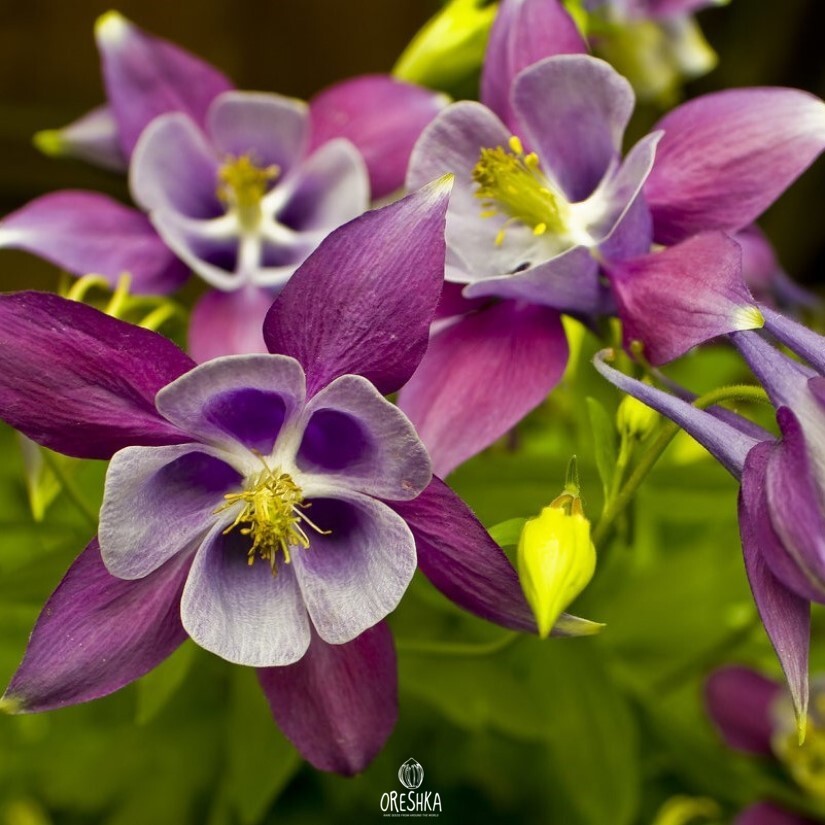
| Flowers | Violet-blue spires, mid to late summer | Lemon-yellow globes, late spring to early summer | Usually blue, nodding |
| Handling | Highly toxic; gloves always | No RHS toxicity flag; not for eating | No RHS toxicity flag; not for eating |
Data from RHS plant profiles.[4][11][12] Treat every ornamental plant as inedible.
Aconitine can be absorbed through the skin.[7] Wear gloves for every step, from opening the packet to cutting flower stems, and wash up afterwards.
Despite old herbal names, monkshood is not a plant to eat, brew or self-medicate with. A clinical review links aconite poisoning to a 5.5% in-hospital mortality.[8] Grow it for its flowers only.
Five warm regimes from 15/4°C to 32/18°C produced no germination without prior cold in the 2010 study.[1] A heated propagator does not replace the cold stage.
The strongest laboratory result needed 4 months at 5°C before the warmer phase.[1] Moving pots indoors after a few weeks of cold usually wastes the seed.
Light improved germination in the related A. barbatum.[2] Press seed onto the surface and use no more than a thin film of grit.
The roots hold particularly high alkaloid levels.[7] Keep at least a full border's width between monkshood and any vegetable bed, herb pot or children's play space.
Change one variable at a time and keep the dates. A long biological wait and a failing setup can look the same for weeks.
Cause: the embryo may not have finished growing, or the seed lot simply responds more slowly; results varied between years and populations in the research.
Fix: keep the clean pot moist and give it at least 1 more month of cool, bright, alternating conditions near 20/7°C; if it is still bare, leave it outdoors for a second winter.
Cause: the mix is staying too wet, with little air movement during the long cold stage.
Fix: open the bag for a few minutes every 2 weeks, add a thin layer of fresh grit and water only from below when the surface begins to dry.
Cause: damping-off fungi thrive in wet, crowded, poorly ventilated pots.[10]
Fix: wearing gloves, remove collapsed seedlings, improve airflow and prick out survivors into 1 clean pot each.
Cause: too much sun and warm, drying soil; monkshood grows better where summers are cool.[5]
Fix: move pots into bright shade, mulch planted crowns with organic matter, as the RHS suggests for sunnier sites, and keep the soil evenly moist but not waterlogged.
Cause: possible absorption of plant alkaloids through the skin.[7]
Fix: stop, wash the skin with soap and plenty of water and seek medical advice at once; call emergency services if symptoms spread, the heartbeat feels irregular or any part of the plant was swallowed.
Three separate packets from Oreshka Seeds, all cold-hardy buttercup-family perennials. This is an editorial selection, not a bundle; handle monkshood seed with gloves and keep every packet away from children and pets.
It covers safe handling, a cold-moist stage of up to 16 weeks near 5°C, surface sowing, germination care and the first years of growth for Aconitum napellus. It is a home adaptation of published seed studies, not a guaranteed germination recipe.
Seed gives you several genetically varied plants from 1 packet but needs a long cold stage and patience, while a nursery plant skips the 2–5 years the RHS lists to maturity. Either way, the same glove and safety rules apply because every part of the plant is toxic.
It is an advanced project because the seed has deep dormancy and the plant must be handled with gloves at every stage. In the strongest laboratory treatment, 4 months at 5°C followed by 1 month at 20/7°C gave 70–79% germination, but home results can be lower and vary between seed lots.
Sowing in warmth without a long cold stage is the main risk: in a 2010 study, 5 warm incubation regimes produced no germination without prior cold. Drying out during the cold stage and burying seed too deeply are the next most likely causes.
In the strongest laboratory treatment, seedlings followed about 5 months after sowing: 4 months of cold plus 1 month at 20/7°C. The RHS lists 2–5 years for monkshood to reach maturity, and established plants flower in mid to late summer on spires 1–1.5 m tall.
Yes for the seedling stage: grow 1 seedling per pot of gritty compost and keep it in bright shade, out of reach of children and pets. A mature plant reaches 1–1.5 m and prefers deep, cool, moist soil, so a garden border in partial shade suits it better long term.
Only with strict precautions, because all parts contain aconitine and a toxicology monograph puts the lethal adult dose at about 5 mg. Wear gloves for every task, keep it away from children, pets and food plants, never eat or use it as a remedy, and seek emergency help at once if any part is swallowed.
Oreshka Seeds lists SKU T42 as a packet of 20 Aconitum napellus seeds at €5.00 (previously €8.33) as of October 2026. Check the linked product page for the current price and availability, because catalogue details can change.
Botanical identity, dormancy, cultivation and toxicity were checked against the sources below. Laboratory results describe particular seed lots, a subspecies or a related species and controlled conditions; they do not guarantee the same result in compost or every climate. Nothing on this page is medical advice.
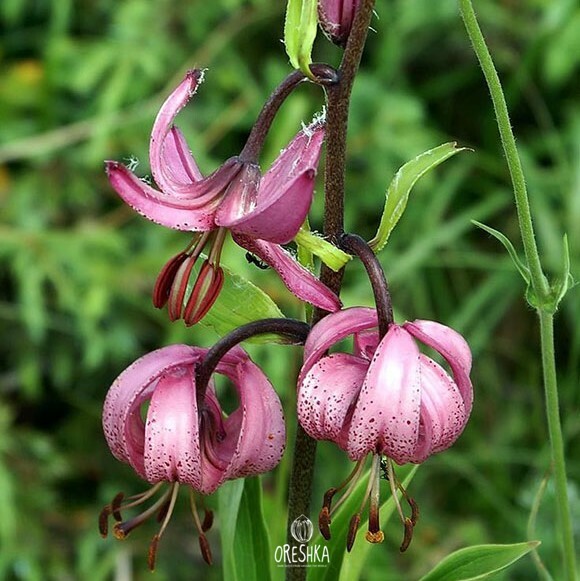 Perennial
 Another slow, cold-loving European perennial for a patient seed project.
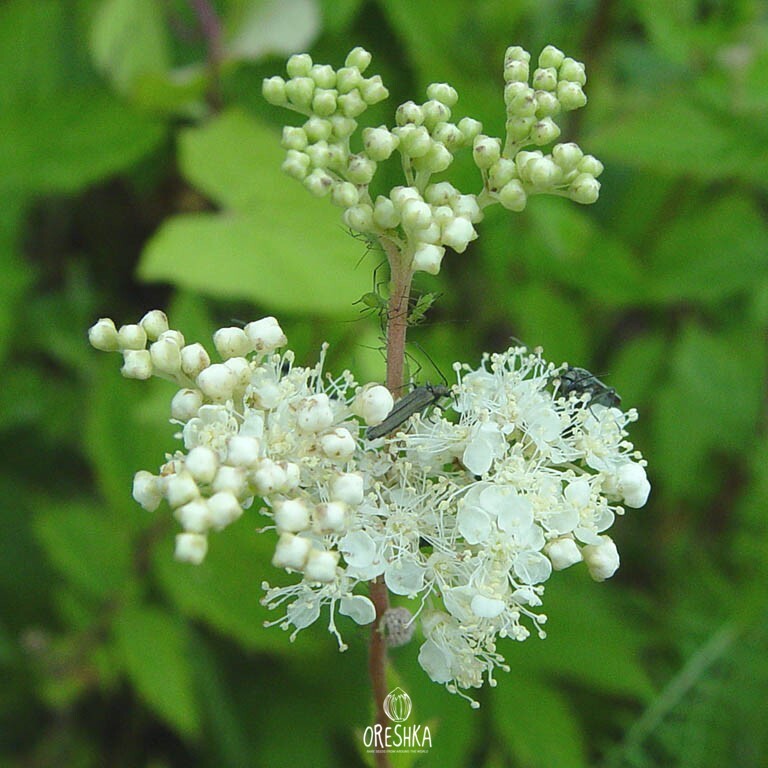 Herbs
Herbs A moisture-loving perennial for the same cool, damp corner of the garden.
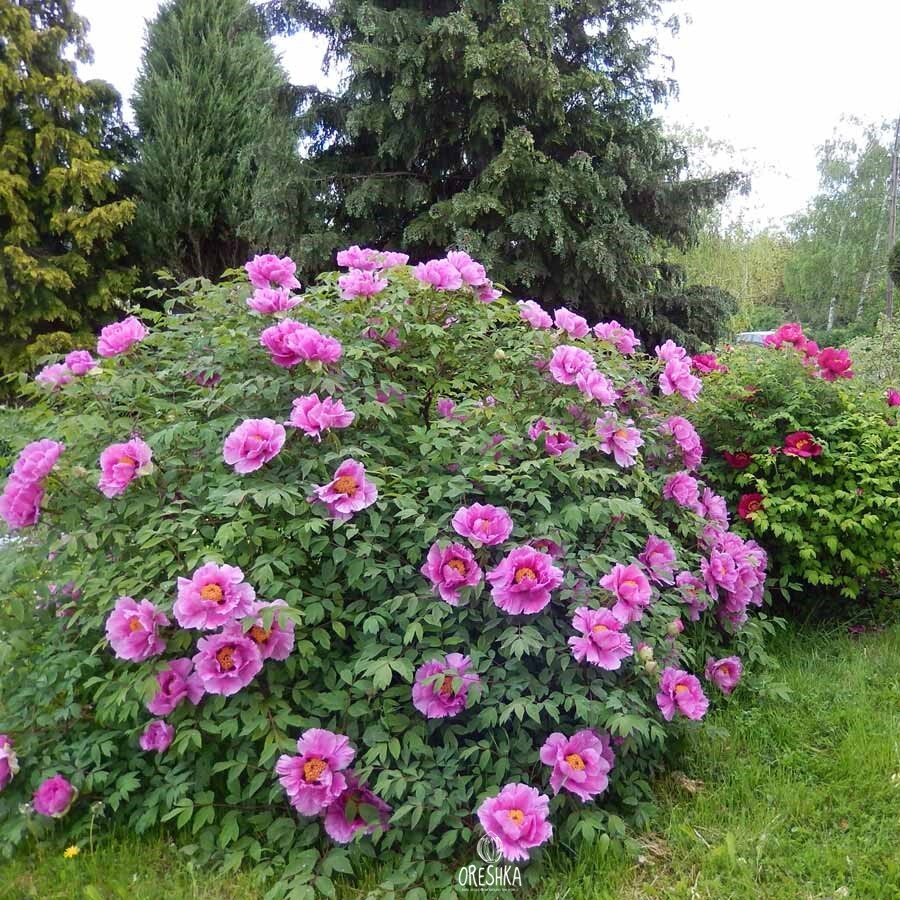 Seed starting
 A multi-season dormancy project for growers who like the long game.
Begin with correctly labelled Aconitum napellus seed, a pair of gloves and a dated record kept somewhere children and pets cannot reach.
View monkshood seedsSKU T42 · 20 seeds · Ornamental use only · Worldwide shipping