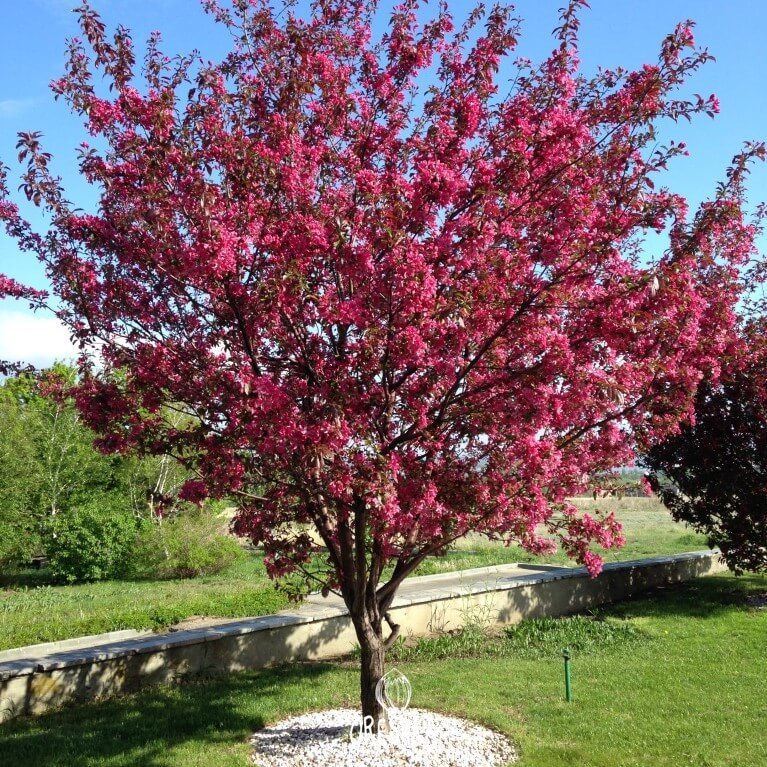
Malus Royalty — Ornamental Apple
Malus purpurea · deep purple foliage · Zone 4
Apple, cherry, plum, apricot, peach, persimmon, pear, pawpaw — 29 seed products from Zone 3 to 9. Heritage cultivars and rare species unavailable through standard nurseries. Fresh-harvested, germination-tested.
Fruit trees grown from seed are a long-term investment with compounding returns. A sweet cherry (Prunus avium) planted from seed today begins fruiting in 4 to 6 years and bears heavily for 30 to 50 years. A walnut-type harvest cycle — Cornus mas (cornelian cherry) fruits in just 2 to 3 years, faster than almost any other tree fruit. For every species in this collection, we track fruiting timelines and climate zone data so you can choose based on your site and patience.
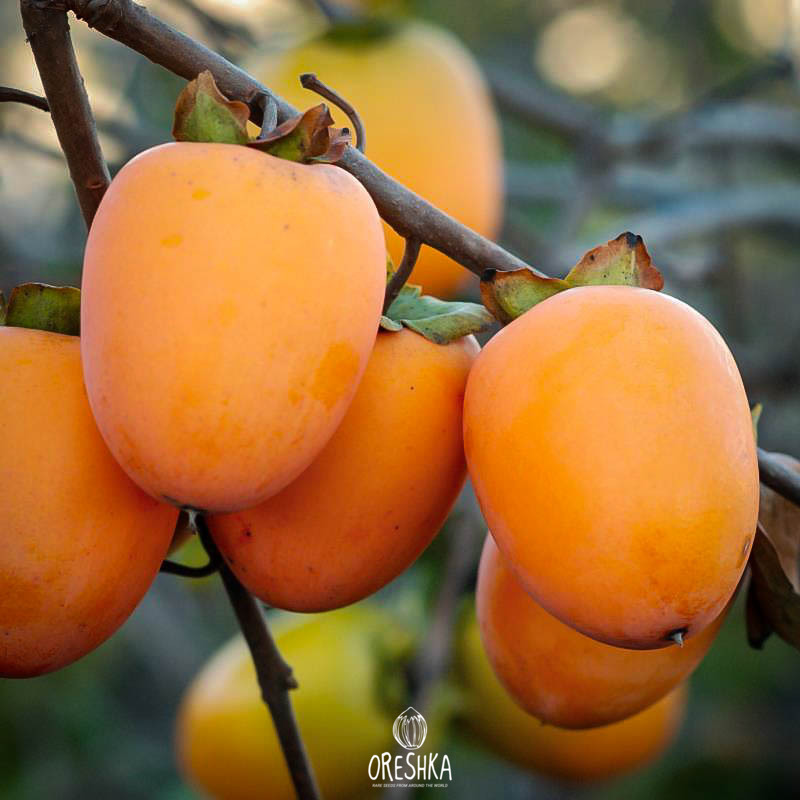
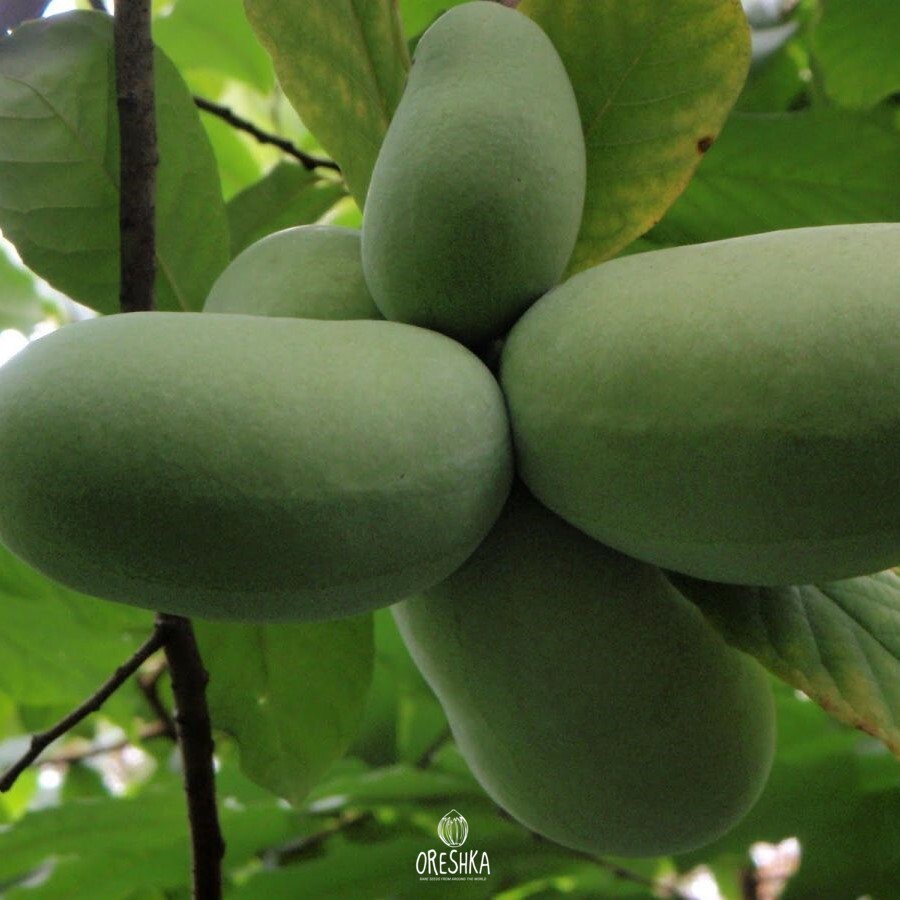
Asimina triloba (pawpaw) is the largest fruit native to North America — individual fruits reach 300 to 400g on a Zone 5-hardy tree that needs no spraying and has no significant pests outside its native range. Diospyros virginiana (Virginia persimmon) survives to −29°C (Zone 4) and the fruit sweetens only after the first autumn frost — a process called bletting, which also occurs in medlar and sloe.
The collection spans cold-hardy heritage varieties and warm-climate species for container growing. Heritage Russian and Ukrainian apples — Antonovka, Pepin Saffron, Cosmonaut, Semerenko — were bred before commercial refrigeration and selected for long storage, complex flavour, and Zone 3 to 4 frost tolerance. The cherry section covers 15+ Prunus avium cultivars including May (Maika), Trinity, Pink, Yellow, Chocolate Maker, and ornamental Japanese sakura (Prunus serrulata). Exotic species such as Eriobotrya japonica (Japanese loquat), Ficus carica (fig), and Punica granatum (pomegranate) are suited to containers in colder climates.
Fruit tree seeds are processed immediately after harvest: stone fruits (cherry, plum, apricot, peach) are warm-stratified at 20 to 22°C for 3 weeks, then cold-stratified at 4°C for 8 to 12 weeks before dispatch. Pome seeds (apple, pear, quince) receive 60 to 90 days cold stratification at 3 to 5°C. Germination rates tested per batch: cherry 68 to 78%, apple 71 to 82%, apricot 74 to 85%. About our collection →
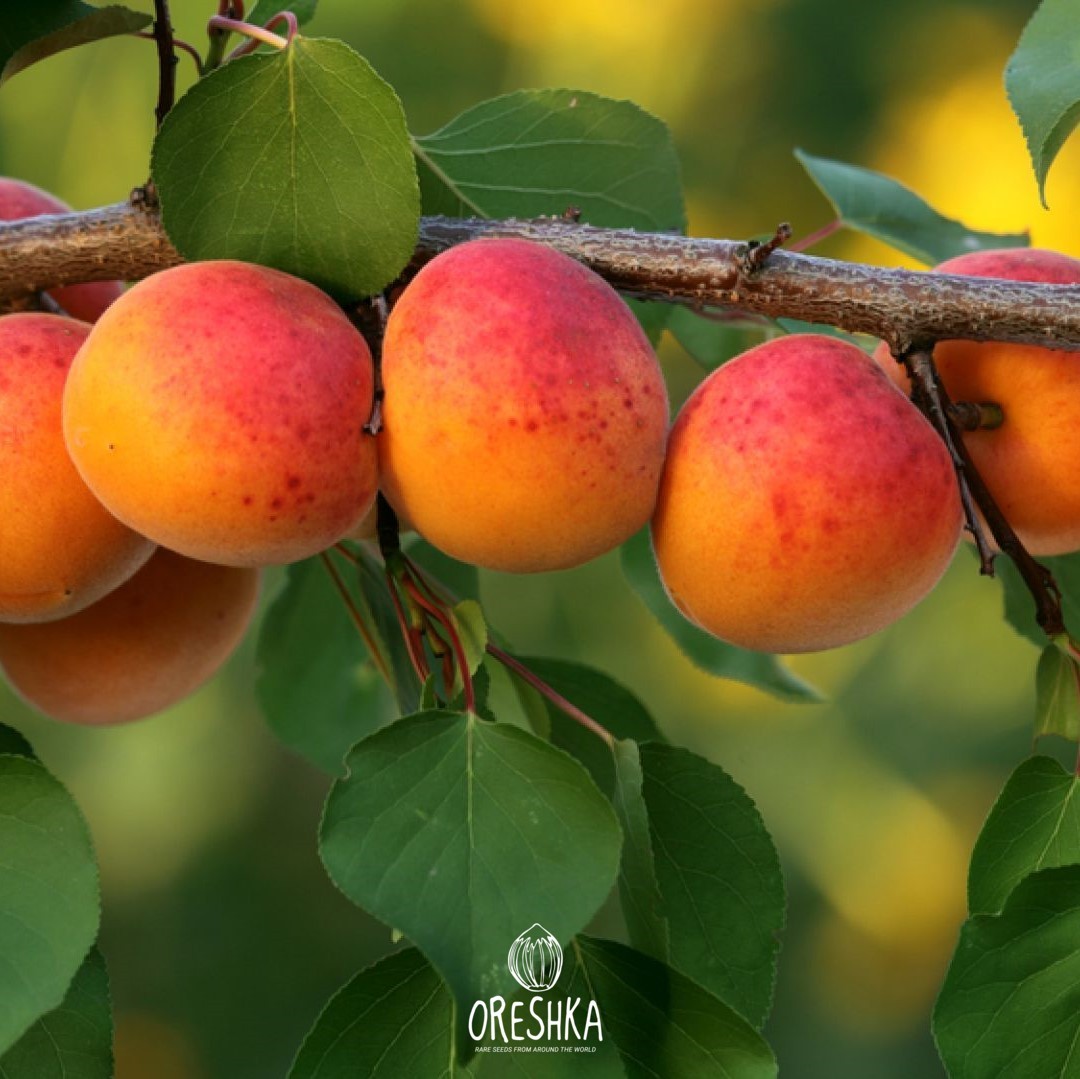
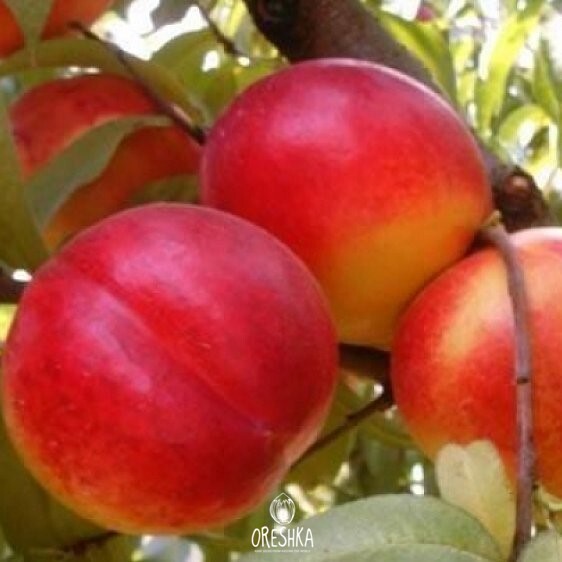
Over 170 varieties across apple (10+ cultivars including Royalty, Granny Smith, Antonovka, Pepin Saffron, Cosmonaut), sweet cherry and sour cherry (15+ Prunus varieties: Maika, Trinity, Chocolate Maker, Pink, Yellow, Uzbek Red, Crimean Regina), apricot (plain, bald, white, Turkish honey varieties), peach and nectarine, plum and cherry plum (yellow, red, black, prune types), pear, Japanese quince (Chaenomeles), persimmon (Virginia Zone 4 and Eastern varieties), pawpaw (Asimina triloba), Japanese flowering cherry (Prunus serrulata), and container-friendly citrus and tropical species. Zone range 3 to 9 depending on species.
Yes. Sweet cherry (Prunus avium) and sour cherry are rated Zone 4 to 6 and fruit in 4 to 6 years. Heritage apples such as Antonovka tolerate Zone 3, down to −40°C. Pawpaw (Asimina triloba) is Zone 5. Persimmon (Diospyros virginiana) survives to Zone 4, down to −29°C. Peach and apricot are generally Zone 5 to 6; the frost-resistant Ural pear handles Zone 4. Each product page lists the precise zone rating.
Japanese quince (Chaenomeles japonica) fruits in 2 to 3 years — the fastest in this collection. Cherry plum and plum: 3 to 4 years. Sweet and sour cherry: 4 to 6 years. Apricot and peach: 4 to 5 years. Apple and pear: 5 to 8 years. Pawpaw: 6 to 8 years. Persimmon: 5 to 7 years. Germination takes 3 to 8 weeks depending on stratification method and species. Cornelian cherry (Cornus mas) is a notable exception at 2 to 3 years.
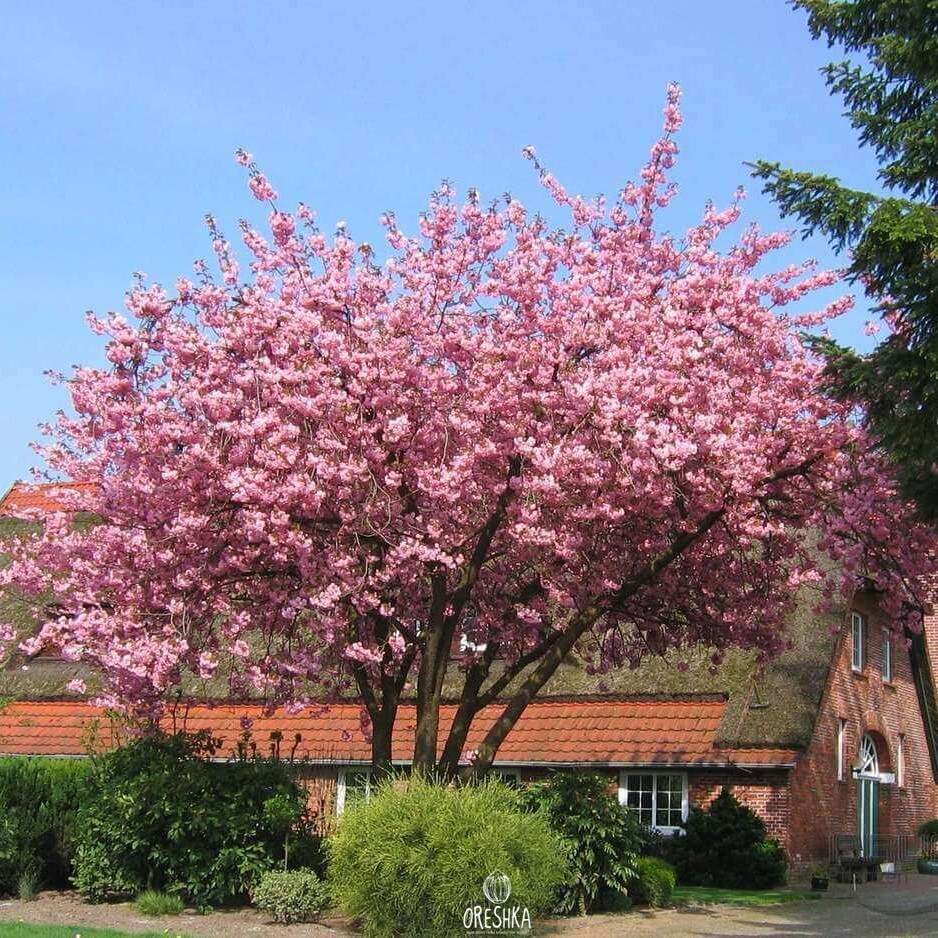
Sweet cherry (Prunus avium) grows into a large tree 8 to 15m tall and fruits in 4 to 6 years; fruit sugar content 9 to 11%. Sour cherry (Prunus cerasus) is a smaller tree 3 to 5m, earlier fruiting at 3 to 5 years, more acidic (sugar 6 to 8%) but significantly more cold-tolerant to Zone 3. Duke cherries (Prunus x gondouinii hybrids) in the collection are intermediate — large, sweet fruit on Zone 4-hardy trees. Japanese ornamental cherry (Prunus serrulata) is grown for double flowers, not fruit.
Yes for several species. Japanese quince (Chaenomeles japonica) thrives in 30-litre containers and fruits reliably from year 2 to 3. Columnar apple trees need 40+ litres and produce in 3 to 5 years in containers. Sweet orange and mandarin grow permanently in containers when overwintered at 10 to 15°C. Pawpaw can be containerised in Zone 4 and moved under cover before hard frost. Virginia persimmon reaches 1 to 2m in a 50-litre pot and still fruits after 5 to 7 years.
Oreshka stocks over 170 fruit tree varieties unavailable in standard European or North American nurseries — including 15+ named Prunus avium cultivars, heritage Russian apple varieties bred for Zone 3 winters, and rare species such as Asimina triloba (pawpaw), Eriobotrya japonica (Japanese loquat), Decaisnea fargesii (blue sausage fruit), and Cornus mas (cornelian cherry). All seeds are fresh-harvested and germination-tested per batch before dispatch. Sealed moisture-proof packets, worldwide shipping, 2 to 3 day dispatch.
29 seed products · Apple · Cherry · Plum · Apricot · Peach · Persimmon · Pawpaw · Pear · Zone 3 to 9
oreshka-seeds.com · Sealed packets · 2–3 day dispatch · Fresh harvest