Tree Seeds — Conifer, Deciduous, Fruit, Nut & Palm
Five sub-collections of tree seeds grown from documented wild-origin stock. Cold-hardy pines and oaks rated Zone 2 to 4, heritage fruit trees (apple, cherry, plum), nut species that bear for 200+ years, and container-friendly palms. Every seed batch is germination-tested before dispatch.
Trees are the longest investment a gardener makes. A conifer planted from seed this season may still be standing 300 years from now. A cherry tree bears its first fruit in 4 to 6 years and keeps producing for decades. A walnut started today may need 8 to 12 years to first harvest — then continue for 200 years. The Oreshka tree collection covers five distinct groups, each serving a different purpose in the garden: structure, shade, fruit, harvest, and ornamental impact.
The collection spans trees rated from USDA Zone 2 (cold-hardy pines surviving −45°C) to Zone 10 (date palm). Metasequoia glyptostroboides, presumed extinct for 5 million years before its 1944 rediscovery, grows at 60 to 90 cm per year — faster than most common conifers. Heritage apple and cherry cultivars in the fruit tree section trace back to 19th-century breeding programmes no longer available through standard nurseries.
Coniferous trees form the evergreen backbone — pines, spruces, firs, larches, sequoias. Deciduous broadleafs (oak, maple, birch, linden, ash) deliver seasonal colour and long-term structure. Fruit trees cover the productive end — apple, pear, cherry, plum, apricot, quince, persimmon. Nut-bearing trees (walnut, hazelnut, chestnut, almond) combine ornamental presence with edible crop. Palm seeds round out the collection with cold-hardy fan palms and warm-climate date species for container growing.
Each sub-collection has its own dedicated page with variety comparisons, germination instructions, and climate zone data. The growing guides section links to 12 species-specific articles — the largest article library of any family in the Oreshka catalogue.
All tree seeds are fresh-harvested from verified parent trees with documented origin. Conifer seeds are cold-stratified at 5°C, fruit tree seeds are warm-stratified at 20°C then cold-stratified at 4°C — germination tested per batch, typical results 65 to 92% depending on species. About our collection →
Shop by sub-collection
Each sub-collection has its own page with variety comparisons, climate ratings, and step-by-step growing tips.
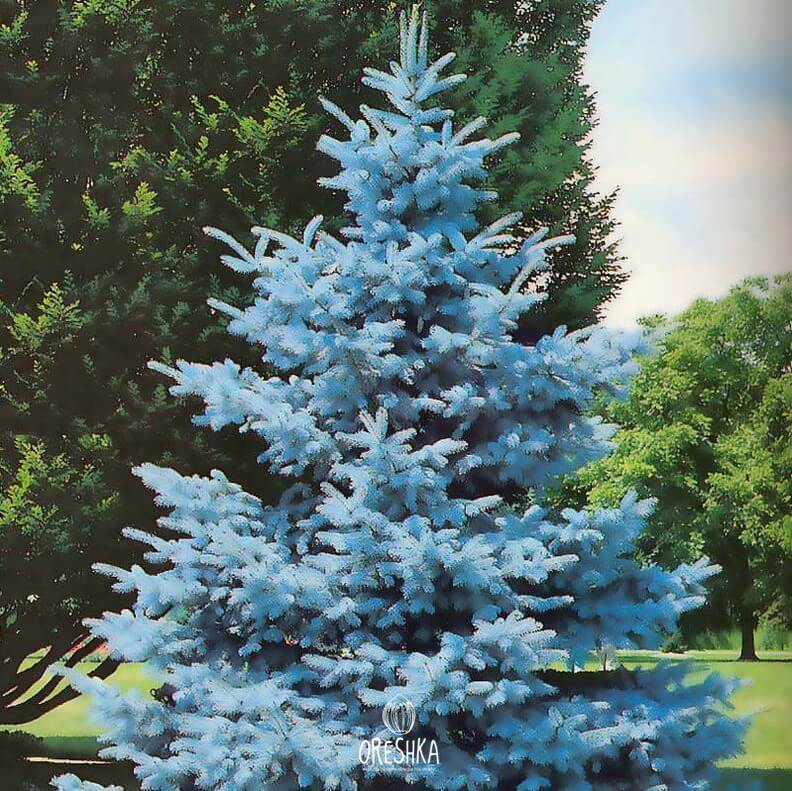
Coniferous Trees
Pine, spruce, fir, larch, sequoia, cedar — evergreen, Zone 2 to 7.
68 varieties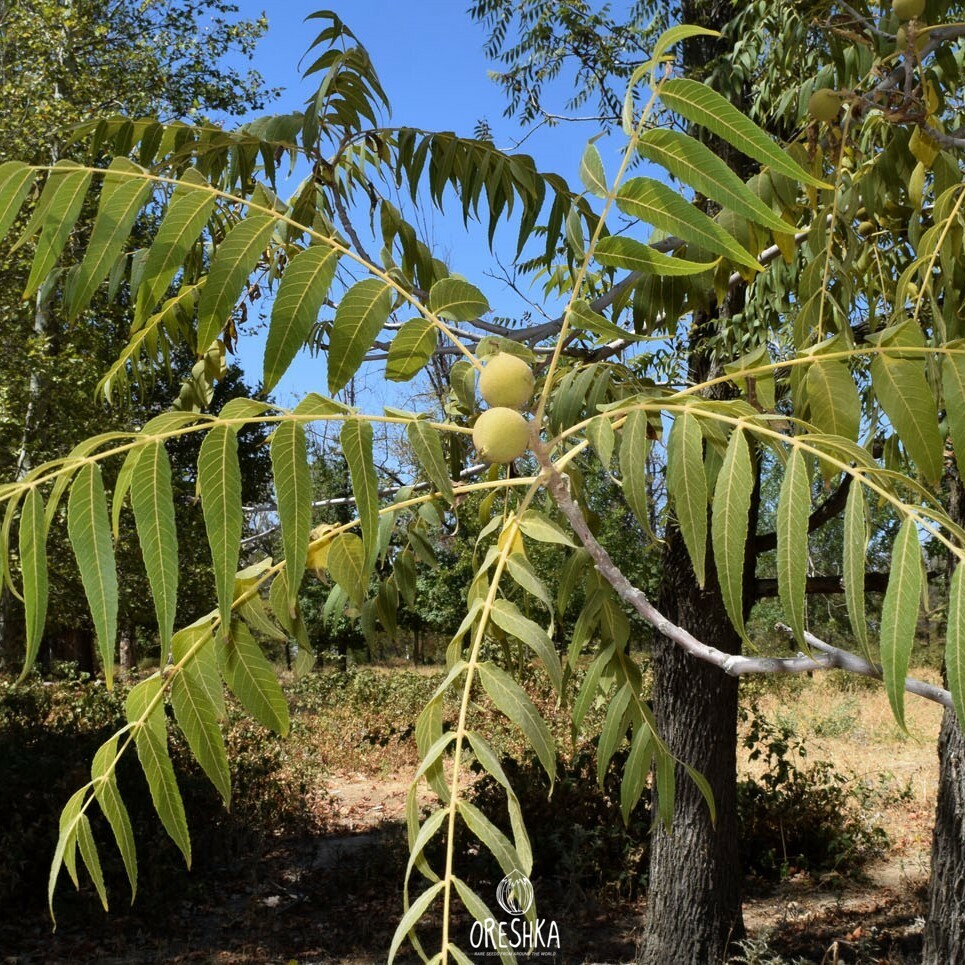
Deciduous Trees
Oak, maple, birch, linden, ash, poplar — broadleaf, Zone 3 to 6.
129 varieties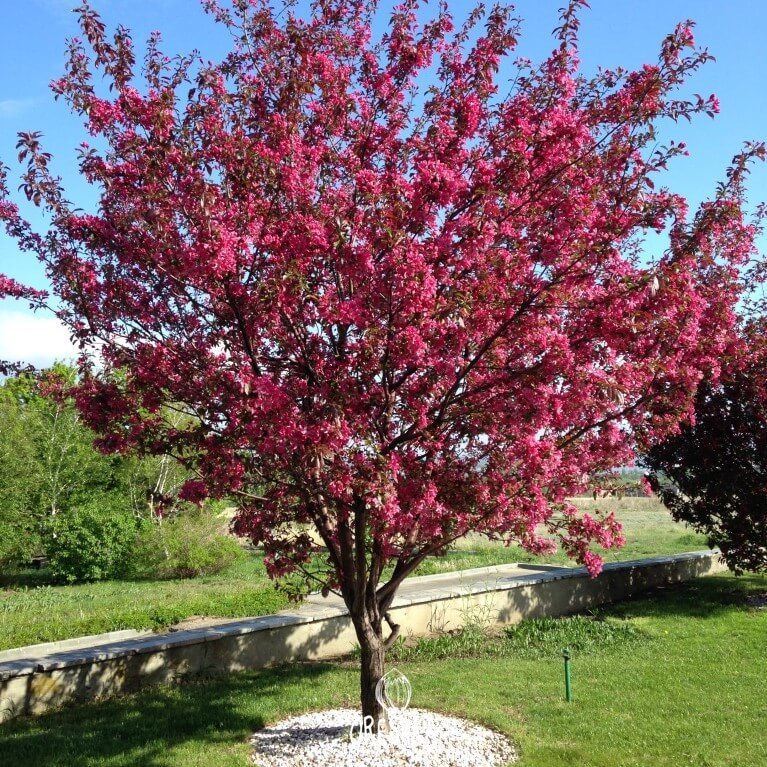
Fruit Trees
Apple, pear, cherry, plum, apricot, quince, persimmon — Zone 3 to 8.
90+ varieties
Nut-Bearing Trees
Walnut, hazelnut, chestnut, almond — edible crop and ornamental specimen.
45 varieties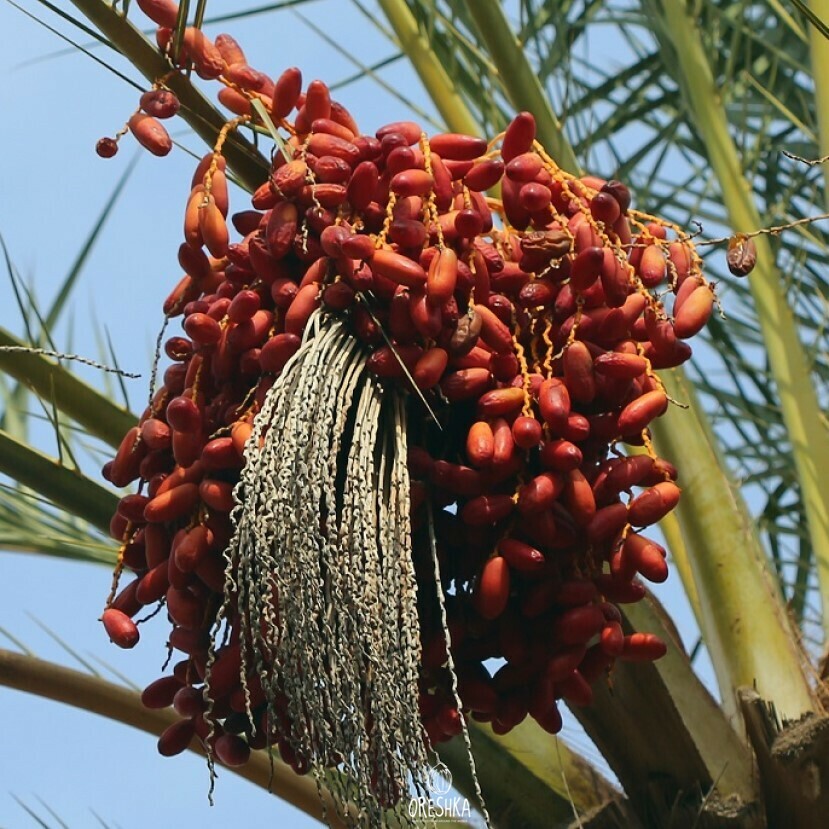
Palm Trees
Date palms, fan palms — cold-hardy Trachycarpus to −12°C, container-friendly.
13 varietiesGrowing & care guides
General germination and care instructions for each tree type — from seed treatment to first-year establishment.
Coniferous trees
Cold stratification, sowing depth, first-year care for pine, spruce, fir and sequoia.
Deciduous trees
Stratification, transplanting, and first-year establishment for oak, maple, birch, linden.
Fruit trees
Seed treatment, grafting basics, first-fruit timeline for apple, cherry, plum, apricot.
Nut-bearing trees
Scarification, stratification and soil prep for walnut, hazelnut, chestnut, almond.
Palm trees
Heat germination at 30°C, humidity control, potting mix and overwintering strategies.
Species growing guides
All 12 tree guides →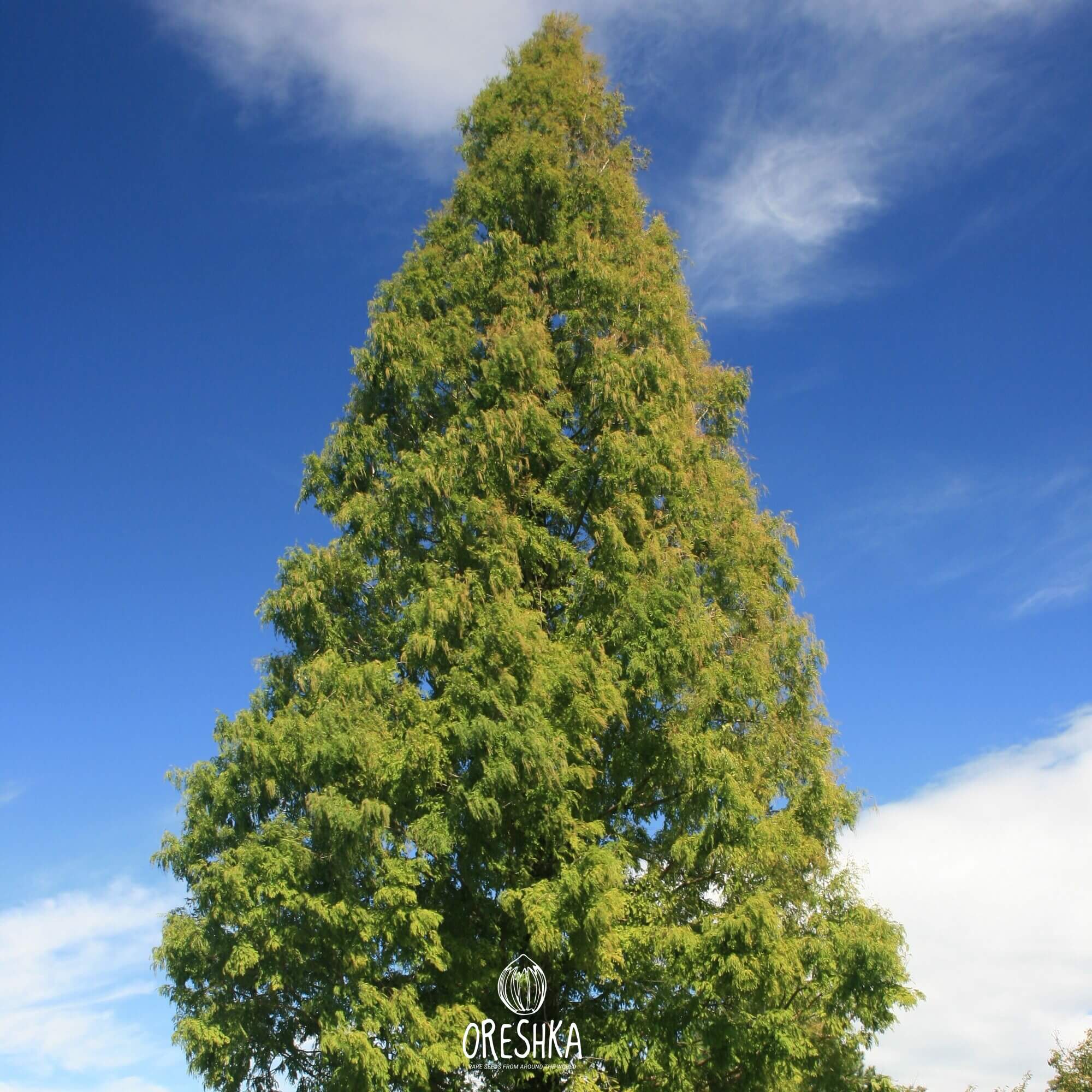
Metasequoia — Dawn Redwood
Thought extinct 5M years · 60–90 cm/year · Zone 4
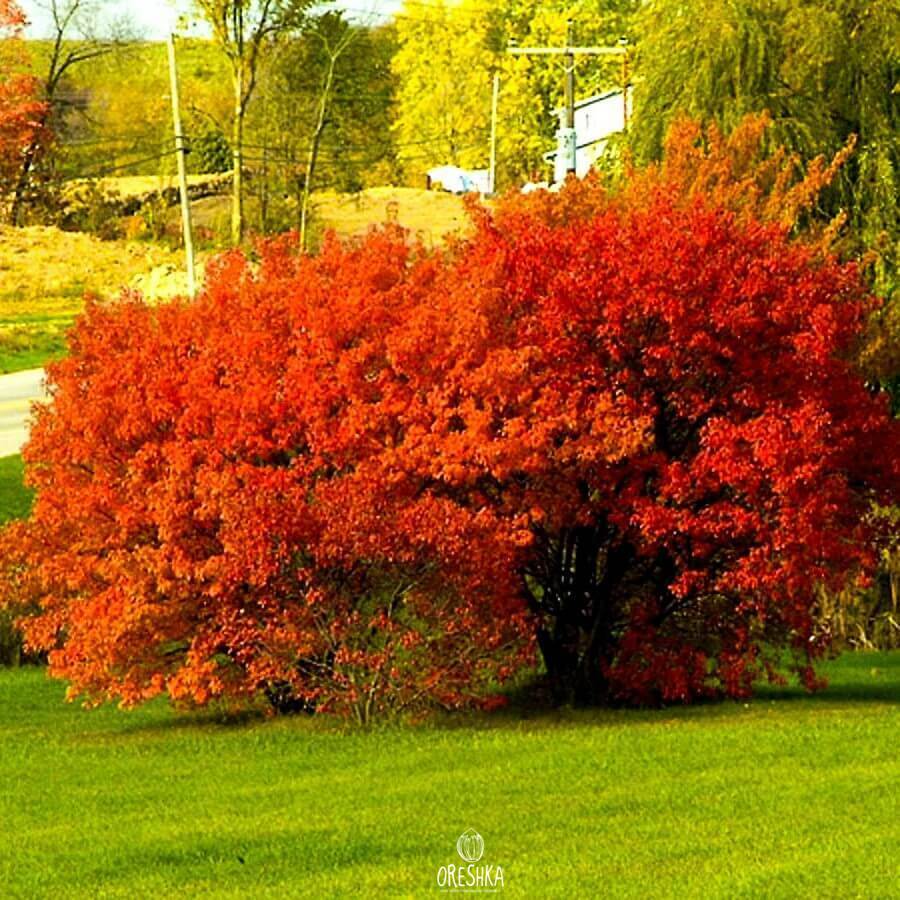
Amur Maple
Acer ginnala · vivid autumn colour · Zone 2
Apple Red Royalty
Malus purpurea · deep purple foliage · Zone 4
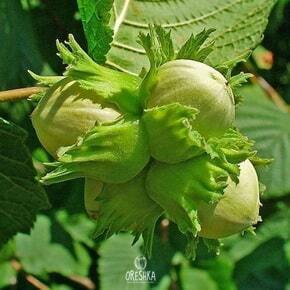
Hazelnut Ladyfingers
Corylus avellana · fruits in 3–5 years · Zone 4
Colorado Blue Spruce
Picea pungens Glauca · 60–80% blue seedlings · Zone 2
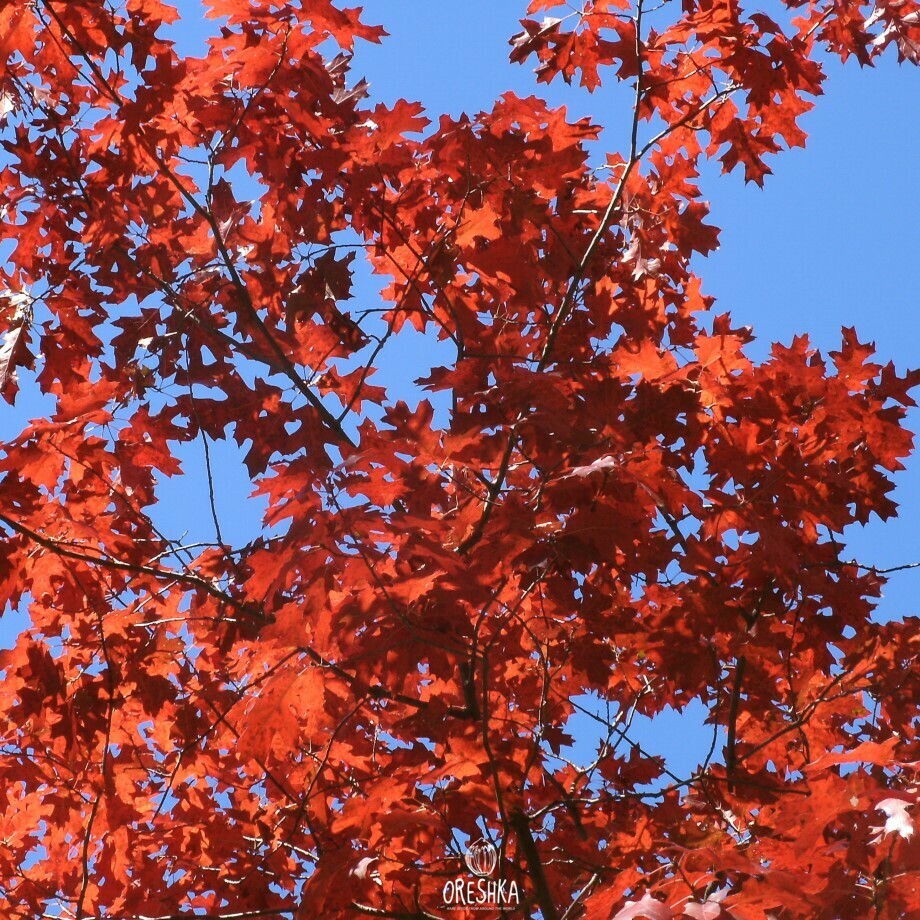
Northern Red Oak
Quercus rubra · fast-growing · autumn crimson · Zone 3
Texas Black Walnut
Juglans microcarpa · drought-tolerant · Zone 6
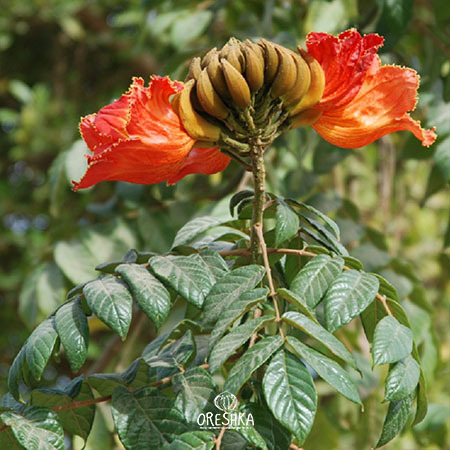
African Tulip Tree
Spathodea campanulata · vivid orange flowers · Zone 10
Frequently asked
What types of tree seeds does Oreshka offer?
Five sub-collections: Coniferous (68 varieties — pine, spruce, fir, larch, sequoia, cedar), Deciduous (129 — oak, maple, birch, linden, ash, poplar), Fruit Trees (90+ — apple, pear, cherry, plum, apricot, quince, persimmon), Nut-bearing (45 — walnut, hazelnut, chestnut, almond), and Palm (13 — date palms, fan palms, cold-hardy Trachycarpus to −12°C). Each has its own dedicated page with variety comparisons and growing guides.
Can I grow trees from seed in Zone 4 or 5?
Yes. Most conifers and deciduous trees in the collection are rated Zone 3 to 5. Heritage apple and cherry varieties thrive from Zone 3 upward. Walnut and hazelnut perform well in Zone 4 to 7. Palm seeds need Zone 8 outdoors but grow in containers in colder climates. Each sub-collection page lists zone ratings per variety.
How long does it take to grow a tree from seed?
Germination takes 2 to 8 weeks depending on species. Cherry and apple trees bear first fruit in 4 to 6 years. Hazelnut fruits in 3 to 5 years — the fastest nut tree. Fast deciduous species (birch, poplar) reach 1 to 2 metres in 3 to 5 years. Conifers grow 15 to 30 cm per year. Metasequoia is the exception at 60 to 90 cm per year.
Which tree seeds are best for beginners?
Oak (acorns germinate reliably with minimal treatment), apple (cold-stratify 60 days then sow), and hazelnut (sow outdoors in autumn, natural stratification) are the most forgiving. Among conifers, Scots pine and Colorado blue spruce have high germination rates. Avoid walnut and palm for a first attempt — they require more specific conditions.
Can trees be grown in containers?
Yes for many species. Dwarf conifers (mugo pine, dwarf Alberta spruce) thrive in 40+ litre containers for decades. Columnar apple and pear varieties are bred for container growing and fruit within 3 to 4 years. Date palms grow well in large pots indoors. Standard-sized deciduous trees in containers need winter root protection in Zone 5 and colder.
Why buy tree seeds from Oreshka?
The collection covers species rarely found at standard nurseries: Metasequoia glyptostroboides (rediscovered in 1944, presumed extinct for 5 million years), heritage apple cultivars from 19th-century breeding programmes, Balkan Pine (endemic to 5 mountain ranges), and Texas Black Walnut (drought-tolerant native). All seeds are open-pollinated, fresh-harvested, germination-tested per batch, and dispatched in sealed moisture-proof packets within 2 to 3 business days.
Explore all tree seeds
Conifer · Deciduous · Fruit · Nut · Palm — worldwide shipping
oreshka-seeds.com · Open-pollinated · Germination-tested · Sealed packets · 2–3 day dispatch